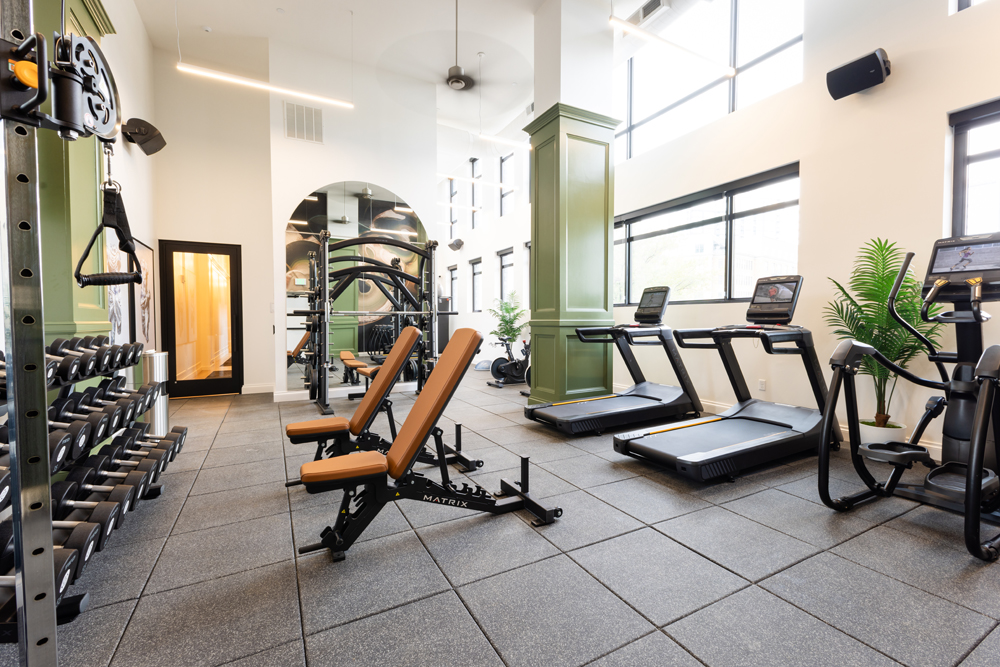
Good lighting can energize occupants and bring your space to life.
Intentional design requires an in-depth understanding of the residents of the property being designed. For student housing properties, developers need to create spaces that students want to live in—and spaces where they can thrive.
The concept of student housing has moved beyond the role of a basic need. Students are prioritizing properties that cater to their preferred lifestyles, with a focus on amenities and how their living spaces look and feel. Housing not only provides shelter and storage for belongings, but also contributes to the students’ quality of life.
Many elements can improve the ambience, mood, and productivity of student housing, but lighting holds a greater weight in interior design. Let’s take a closer look at the impact of lighting and how to incorporate it strategically.
Understanding Lighting and its Effect on Mood & Emotions
The colors and intensities of light can play a significant role in shaping how a space feels. Based on the lighting you choose, you can create environments that positively influence emotions, productivity, and overall well-being.
With this in mind, let’s look at the different types of lighting proven to increase learning and productivity.
Natural Lighting
Natural lighting from windows, doors, or skylights boosts mood, creativity, and brain function. When students are in a good mood, they’re better able to solve problems, remember information, and get along with others.
Be aware of glare from sunlight, as this can cause eye strain and discomfort. Adding sheer curtains or shades can balance brightness without reducing the benefits of natural light.
Warm Lighting
Soft yellow or amber tones create a cozy and inviting ambience. Think of a crackling fireplace with soft couches or chairs for socializing or curling up with a good book.
You don’t need fireplaces to evoke these feelings, though. Lighting in warm colors can do the trick while helping to build social connections and uplift moods. It works well for common spaces, such as living areas, dining rooms, or social spaces.
Cool Lighting
Crisp white or bluish tones boost alertness and concentration. It heightens focus, which makes it an ideal choice for offices, workspaces, or any setting where productivity is key. Cool lighting can also feel isolating, so it’s best to use it in areas where socialization isn’t a primary focus.
How Lighting Impacts Learning
Different tasks or needs require different amounts of lighting. For example, we only need a little amount of light to navigate through a room, but we require a lot of light to see words on a page. The eyes and brain require sufficient lighting to gather and process visual data, such as studying textbooks or researching information online.
Dimly lit environments make it harder to read or perceive objects, which makes it harder for the brain to learn. Students studying in poorly lit areas might struggle to focus or retain information. Or, they might miss key details altogether.
Aside from brightness, the type of light used can also impact learning. For example, research shows that fluorescent lighting contributes to off-task behaviors, such as daydreaming or talking. This type of lighting isn’t conducive to studying or focused work, even when it adequately lights a space.
Importance of Lighting Design in Student Housing
Students keep all hours, from classes throughout the day to all-night study sessions. As a beehive of activity that requires intense focus and productivity, the best lighting for these use cases is as natural and soft as possible, but bright enough to see clearly.
Light serves a purpose beyond visual effects. It has biological and psychological impacts that contribute to the well-being of students. Improper lighting can disrupt sleep cycles, lower cognition, and prevent students from getting the most from their studying.
Different types of spaces within student housing benefit from different types of lighting. Opting for an intentional lighting design rather than a one-size-fits-all allows designers to maximize the lighting scheme based on how the space will be used.
For example, lots of windows near entryways create a clean, bright look and a welcoming vibe during the day. Cool-colored lighting in study pods or conference rooms enhance focus and productivity for students when they need to study. Warm tones in dining areas and shared living spaces promote relaxation and socialization.
Dimmable light fixtures and bulbs with adjustable hues can also give these spaces more lighting options. Students or housing administrators can adjust the lighting scheme based on the time of day (and the fluctuations of natural light), how they’re using the space, or personal preferences.
Designing Lighting with Intention
Creating a balance of natural, warm, and cool lighting starts with an understanding of how the space will be used. Nuances in space utilization and its inhabitants enables intentional design—the extra mile that sets truly great properties above the rest.
Designing your next property with intention requires extra thought and effort. It’s not just about providing a basic need, but also tailoring environments to suit specific needs and be a place where people want to live.
Students have options when it comes to housing, and properties who anticipate students’ needs and expectations will have the best chance of attracting tenants and minimizing vacancies. Good lighting plays a key role in achieving these expectations, allowing you to create a space where students want to live—and boosting their productivity and ability to learn.