


The Gist: This article by Emily Hiott explores how versatile communal spaces can attract tenants to commercial properties by offering diverse, value-enhancing amenities catered to the specific needs of student housing and multi-family residences.
What you’ll learn
You will learn the importance of tailoring communal spaces to tenant expectations and needs, including outdoor and fitness areas, business centers, and unique amenities, to enhance property attractiveness.
After reading, you’ll be ready to
Understand how to design and implement versatile communal areas in commercial properties that cater to diverse tenant needs, increasing the property’s perceived value and marketability.
Talking points
The article discusses the role of well-designed communal spaces in enhancing tenant satisfaction and property value; includes tips on creating spaces tailored to the demographic, such as fitness rooms, outdoor areas, and multi-purpose gathering spots, to attract and retain tenants.
Good design can help you win more tenants
Attracting tenants in student housing and multi-family properties is no cakewalk, despite the massive housing shortage. Property owners still need to work hard to fill units and create attractive places to live, and versatility in design can be a competitive advantage in this area.
Commercial properties need to be versatile, not only to attract residents, but to remain competitive in their market and stand out from competing properties. Aside from location and access to local attractions, on-site amenities are what residents look for in a new spot to sign a lease. Community spaces are a great way to distinguish the property and instill more value beyond the unit itself. A versatile design that uses common spaces allows a property to get the most out of its space and create an overall better place to live, work, and play.
Here’s how communal spaces play a role in attracting tenants and how you can create these spaces according to your target audience.
Why it is critical to have a diverse group of versatile communal areas
Communal areas in a commercial housing property give tenants more than just a place to lay their heads. When choosing something as important and essential as housing, today’s tenants want a place that feels safe, comfortable, and inviting. A home should contribute to and enhance their everyday lives, and communal spaces give them more ways to enjoy daily living.
Tenant expectations
Communal spaces go beyond basic housing. They create spaces where tenants feel connected, comfortable, and part of a community. It’s become more of an expectation rather than a feature that’s nice to have.
For students, they want places where they can socialize, study, and relax. And for families, they need places for children to play or enjoy recreation without having to leave the property.
A well-designed communal area can provide these experiences, adding value to the property and making it more attractive to potential tenants.
Diversity of needs and wants
Different types of properties attract different types of tenants, and shared spaces should be prepared to cater to all. Some tenants might want a quiet place to read, work, or study. Others may prefer a lively outdoor space for gatherings.
Knowing your target tenant audience and having a variety of common areas ensures that all tenants have a place that meets their needs and enhances their living experience.
Increased perceived value of the property
Single-family homeowners have the benefit of turning their space into whatever they want—a home gym, movie room, outdoor grilling space, or whatever the need may be. This allows them to enjoy the conveniences of staying home rather than going out, and renters are increasingly attracted to these prospects, too.
For student and multifamily housing, built-in amenities might include a communal chef’s kitchen, barbecue areas, gyms, swimming pools, or even spas. These amenities can help tenants save money compared to going out while adding value to the property.
What are great communal spaces and the versatility they provide?
Regardless of property type, today’s tenants expect certain amenities and spaces. Here are the most popular ones, along with why these spaces are must-haves. 
Outdoor areas
Outdoor spaces, like courtyards, patios, or barbecue zones, give tenants a place to relax, socialize, or even exercise. They are especially important for tenants who want to spend time outdoors without having to leave the property. Outdoor areas provide a natural escape and create a sense of openness in urban settings where green space can be limited. Smartly planned outdoor spaces also help reconnect the property back to the surrounding community, creating a sense of belonging.
For students and families alike, these areas offer opportunities to unwind, meet new people, or enjoy outdoor activities right at home.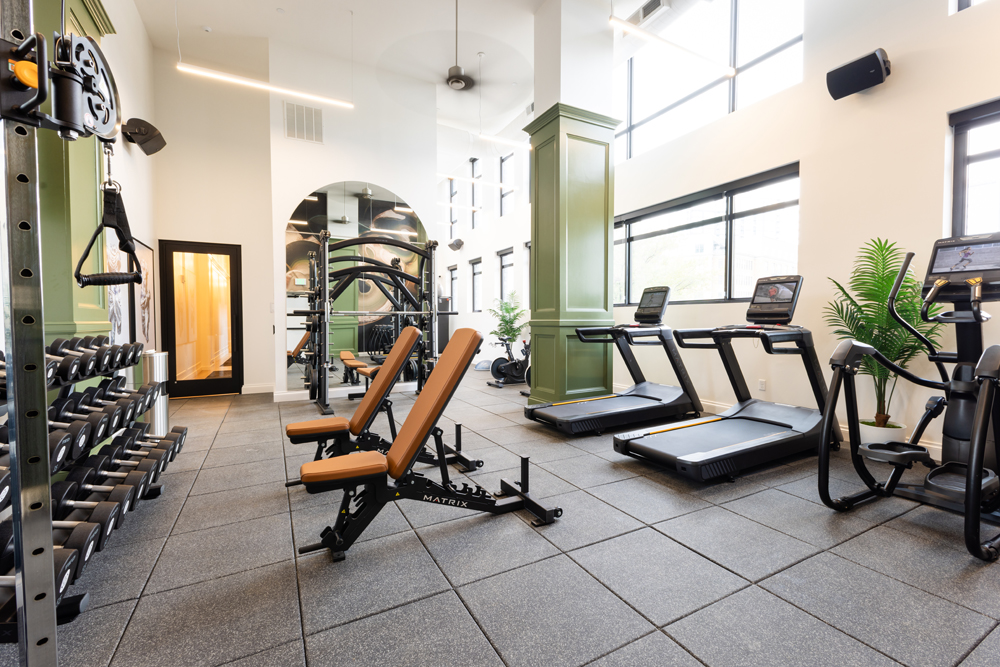
Fitness rooms
On-site fitness centers offer convenience and eliminate the cost of a traditional gym membership. Residents can work out when it works for them, which is especially valuable to working-class tenants who work odd hours or students on tight schedules.
Business centers or meeting rooms
With more people working and studying remotely, access to quiet, professional spaces like business centers or meeting rooms is essential. These rooms provide an environment for tenants to focus, hold virtual meetings, or collaborate on group projects. Making these spaces flexible for individual or group use also helps create value in these spaces.
Gathering areas
Any place where residents can gather and connect will elevate your property’s desirability. These might be kitchens, game rooms, or even “blank canvases” that residents can use however they wish. These areas serve as social hubs and give tenants more ways to enjoy their living spaces. Consider creating an amenity space unique to your tenant population. For example, if many of your residents are artists or musicians, having a space for them to create or work is valuable compared to what other properties might offer.
Tailoring Communal Spaces to Your Audience
Properties should also consider additional areas for their specific audiences to create well-rounded experiences. For instance, study rooms and coffee bars make sense for student communities, while multifamily properties may benefit from rooftop gardens and pet wash stations.
Student housing communal spaces
Property owners should adapt spaces for both study and social interaction. Furnish them with a variety of chairs, sofas, and tables so students can choose their level of comfort and social interaction.
Multi-family housing communal spaces
Family areas and game rooms encourage residents to connect with others. They serve as extensions of each tenant’s home and can offer them the luxury of more square footage without the upkeep. Many multifamily properties are home to children and pets, so keeping spaces family-friendly can help you attract long-term tenants.
Creating communal spaces that sell
Communal areas and amenities are not only considerate of your tenants, but they’re also better for maximizing space and your investment. When you cater to the lifestyles your tenants want and expect, these investments can become your most powerful marketing tool yet.


