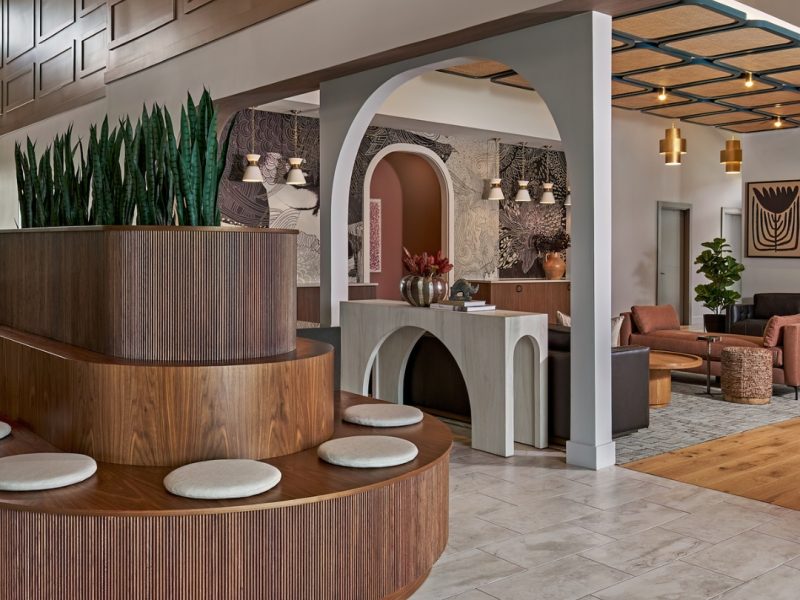
The Gist: This article explores design strategies that help preserve privacy in shared living environments like multi‑family or student housing, making communal areas feel personal and secure without sacrificing community. SouthPark Interiors
What you’ll learn
How to use interior architecture and design to create private zones in shared spaces; concrete tactics such as study rooms, cabanas, clustered seating, and visual dividers; and the importance of intentional space planning and material choices to foster both solitude and community.
SouthPark Interiors
After reading, you’ll be ready to
Advocate for design that supports residents’ privacy in communal areas; work with designers to incorporate partitioning, sound-absorbing features, and flexible layouts; and evaluate how shared amenities can feel more personalized and comfortable.
Talking points
Although shared housing suggests open, communal living, designers can deliberately craft private moments by introducing structures like phone-booth style desks, partitions, and cabanas; arranging seating into clusters or single chairs gives people options to retreat or stay visible; curtains or half-walls provide soft visual boundaries; and a strong design partner can help you embed privacy into the architecture and furnishings so that shared spaces feel welcoming, usable, and personal.
Multi-resident spaces can still feel secure and private.
Shared living spaces like multi-family and student housing apartments often have hundreds of beds under one roof. While there is a certain expectation of communal living when you opt into one of these leases, everyone wants privacy—even beyond their own apartment walls.
Tenants will always be able to create their own private oasis in their rooms and apartments, but the real question is: How do we give them that same sense of privacy out of their apartments?
The answer: It’s all in creative design.
Designing for Privacy: Begin With the End in Mind
Design and interior architecture play a critical role in answering this question. For new properties, developers need to consider each space and how it’s used, then add structural elements that can make shared spaces feel more personal and maximize your floor plan.
For existing properties, designers are often at the mercy of existing layouts and structures when deciding how to make areas feel more private. They take inventory of existing spaces and how they’re used, then start changing everything from fabrics to lighting to furniture (and maybe even move a few walls). Custom millwork, artistic elements or other creative installs can be used to help further divide spaces or create new areas when construction must be limited.
A quality commercial design firm and interior architect will be able to create this sense of privacy, regardless of your space. It all starts with being intentional about privacy and envisioning what it could look like within your property.
How to Make Shared Living Spaces Feel More Private
Multi-family and student properties often have a variety of common areas: dining spaces, large living rooms, game rooms, conference rooms or study areas, clubhouses, outdoor grilling patios, and swimming pools, for example. Spaces like these are not inherently private since they’re made for anyone to use at any time.
So, how do we make non-private spaces feel more private?
Our approach is to make individualized areas within those communal spaces. Let’s look at some examples.
Private Study or Meeting Rooms
Turn larger meeting spaces into private study nooks. Cubicles, phone booth-style mini desks, or small tables can offer privacy while discouraging social interaction when residents are trying to work. Free standing partitions can create faux walls and come in acoustical materials, which can absorb sound.
Cabanas and Private Areas in Outdoor Amenities
For outdoor communal spaces like pools, spas, playgrounds, or green areas, adding cabanas can infuse a sense of seclusion. Often found at pools (but not limited to water activities), cabanas include shades or screens that can be open or closed depending on the level of solitude the resident prefers.
Groups or Clusters of Seating
Break up larger shared spaces with clusters of seating. Arrange sofas, chairs, or other furniture into “pods” or groups that create natural separation within the same room. Smaller seating areas allow residents to spread out in the same space while enjoying greater privacy and solitude, despite being out in the open.
Individual Chairs or Areas for Solo Users
Adding multiple single-person seating options creates boundaries between people (as opposed to sofas or bench seating). Users can also more easily move their chair to other areas of the room when the space starts filling up.
Visual Cues with Curtains or Quarter/Half Walls
Break large spaces into smaller, more private areas by adding curtains, panels, or quarter or half walls. These create the illusion of privacy, help to block out extra sounds, and can help shield things like laptop screens or work projects. They can also be designed to look like standalone rooms even when part of bigger spaces.
Privacy in Communal Spaces is Achievable with Creativity
Privacy isn’t restricted to individual units. Every resident deserves to enjoy the full benefit of their lease, which means being able to use common spaces and treat them like their own, even in the midst of other residents.
Involving a commercial interior designer in the planning of communal spaces can elevate your properties and make them more attractive to potential lessees that value privacy. By prioritizing spaces that cater to solo renters and larger groups alike, residents have more ways to use the property and feel like they’re getting their money’s worth.