


The Gist: This blog provides an overview of designing student housing around modern student behaviors, balancing flexible spaces for studying, socializing, privacy, wellness, technology, and everyday living.
Student Housing Has to Do More Than House Students
In the past, student housing was pretty formulaic: bedrooms, a study space, a fitness center, and a large common area. But that formula doesn’t fully reflect how today’s students spend their time. A student may attend class, work on a group project, take a virtual meeting, exercise, eat dinner with friends, work a part-time job, and unwind—all without ever leaving the building. That presents a challenge for student housing developers as they strive to create spaces that support all of these activities while still giving residents opportunities to retreat.
That’s why successful student housing design starts with behavior, not an amenity checklist. When designers understand how students move between productivity, connection, privacy, and relaxation, they can create environments that work harder throughout the day.
Today’s Student Lifestyle is More Fluid
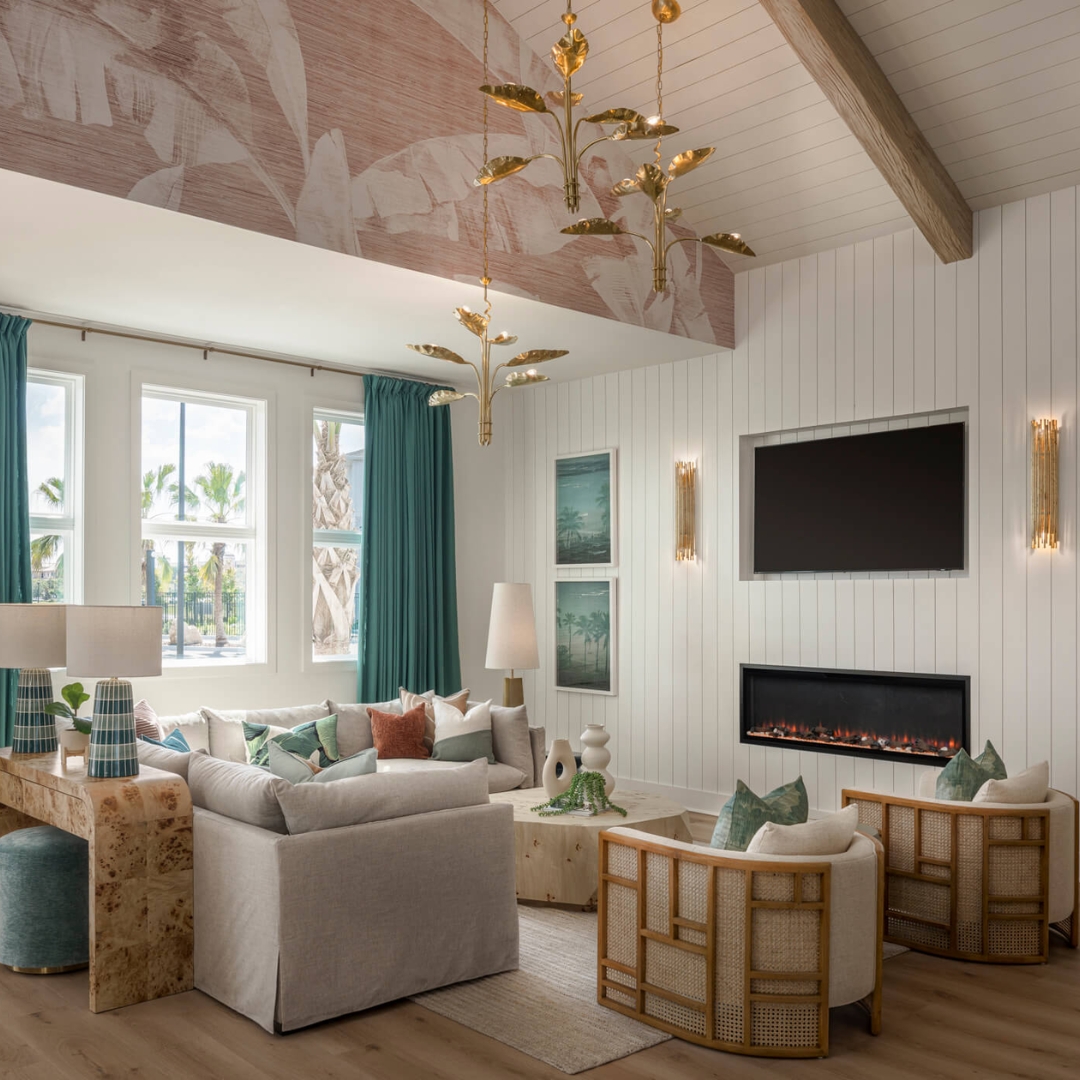
Gone are the days when college life was neatly divided between the classroom, library, workplace, and home. Technology has blurred the line between these spaces, making these boundaries increasingly flexible. According to the 2025 EDUCAUSE Students and Technology Report, today’s college experience is largely dependent on flexibility and technology as these are the pillars that form the foundation for how modern students learn.
Student housing needs to acknowledge this reality. A lounge may become a study area in the afternoon and a social gathering space at night. Residents may need a quiet spot for an interview at 10 a.m. and somewhere to collaborate with classmates two hours later. Rather than assigning every room one narrowly defined purpose, designers can create a range of environments that let students choose where they work, gather, and recharge.
Design for Both Connection & Privacy
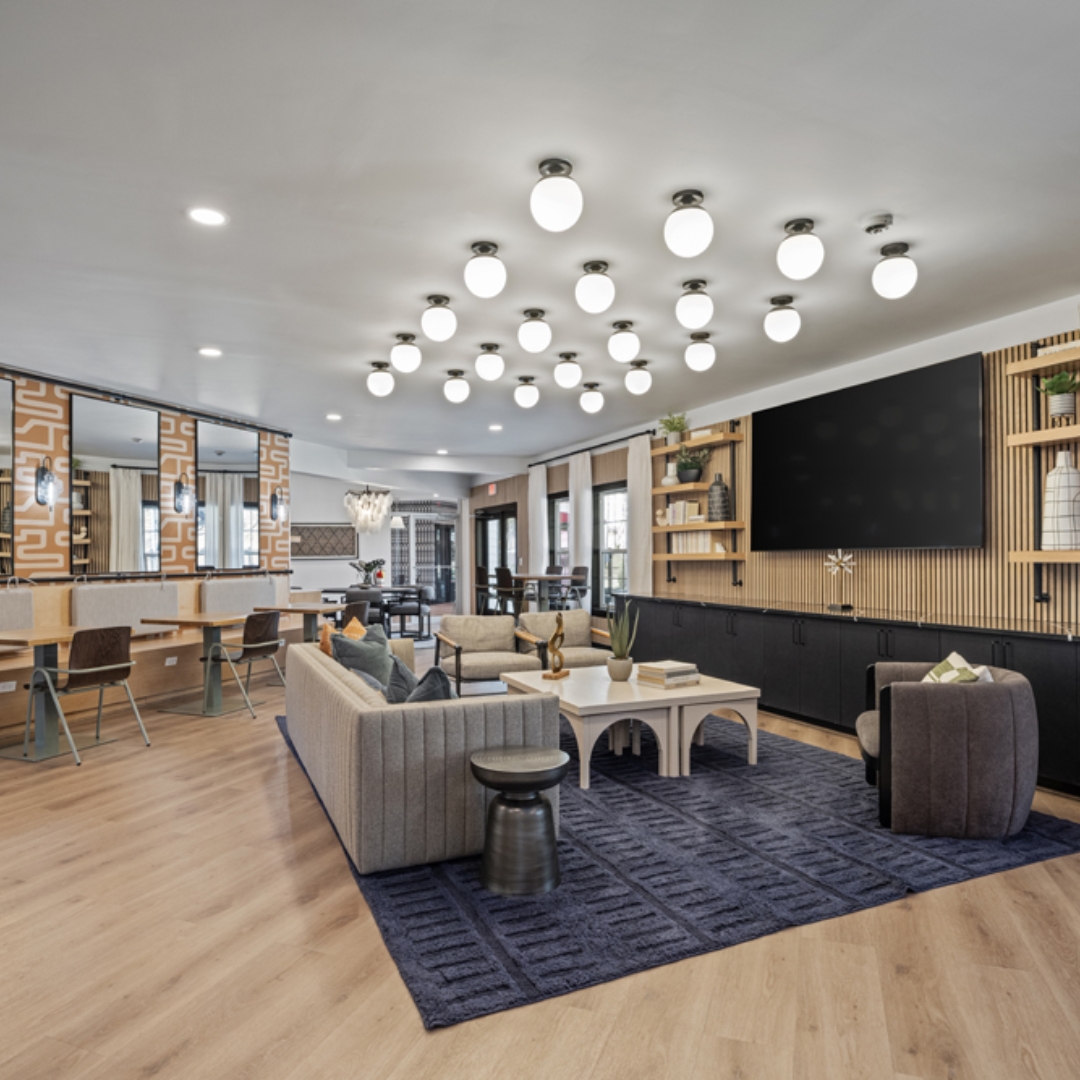
One of the more interesting tensions in student housing is that residents want connection without necessarily wanting constant interaction. Inside Higher Ed found in a 2025 housing survey that students increasingly prefer privacy in their living spaces while remaining interested in connection and engagement with their peers. This shift has made oversized clubhouses only part of the solution.
Well-designed communities need both larger areas for events as well as smaller lounges for more intimate gatherings and semi-private seating for students to read or scroll their phone while still feeling part of the activity around them. Furniture placement, acoustic treatments, lighting, circulation, and visual separation can establish these different levels of interaction without walls everywhere. The result is a social space that gives residents choices, which is especially valuable for those learning how to build a new community away from home for the first time.
Study Spaces Need More Than Desks & Wi-Fi
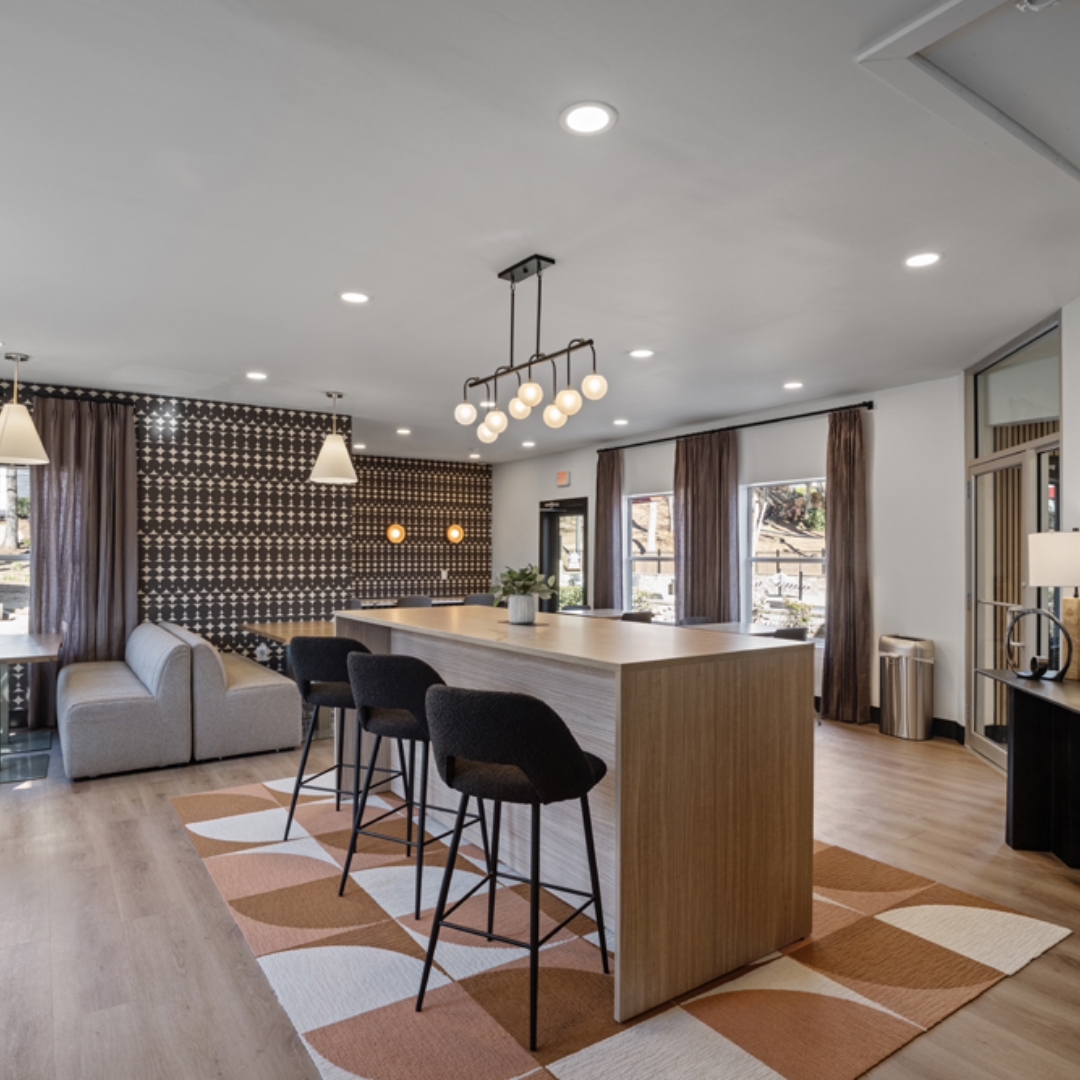
A productive study space isn’t defined solely by tables, chairs, and Wi-Fi. In a 2024 study published in the Journal of Access Services, undergraduate and graduate students identified a wide range of needs in learning environments, including comfortable, functional furniture, individual and group spaces, appropriate noise levels, technology, adequate lighting, electrical outlets, and opportunities for seclusion. These same principles apply to student housing design.
Rather than one generic study room, properties can offer quiet individual spaces, small collaboration rooms, open worktables, lounge-style seating, and private or semi-private areas suitable for virtual classes and interviews. The practical details are equally important. Students notice when there’s nowhere to plug in a laptop, lighting is institutional, chairs are uncomfortable after 30 minutes, or conversations carry across the room. Study spaces don’t need to just look good in leasing photos; they need to perform as intended.
Amenities Should Reflect Daily Habits, Not a Marketing Checklist
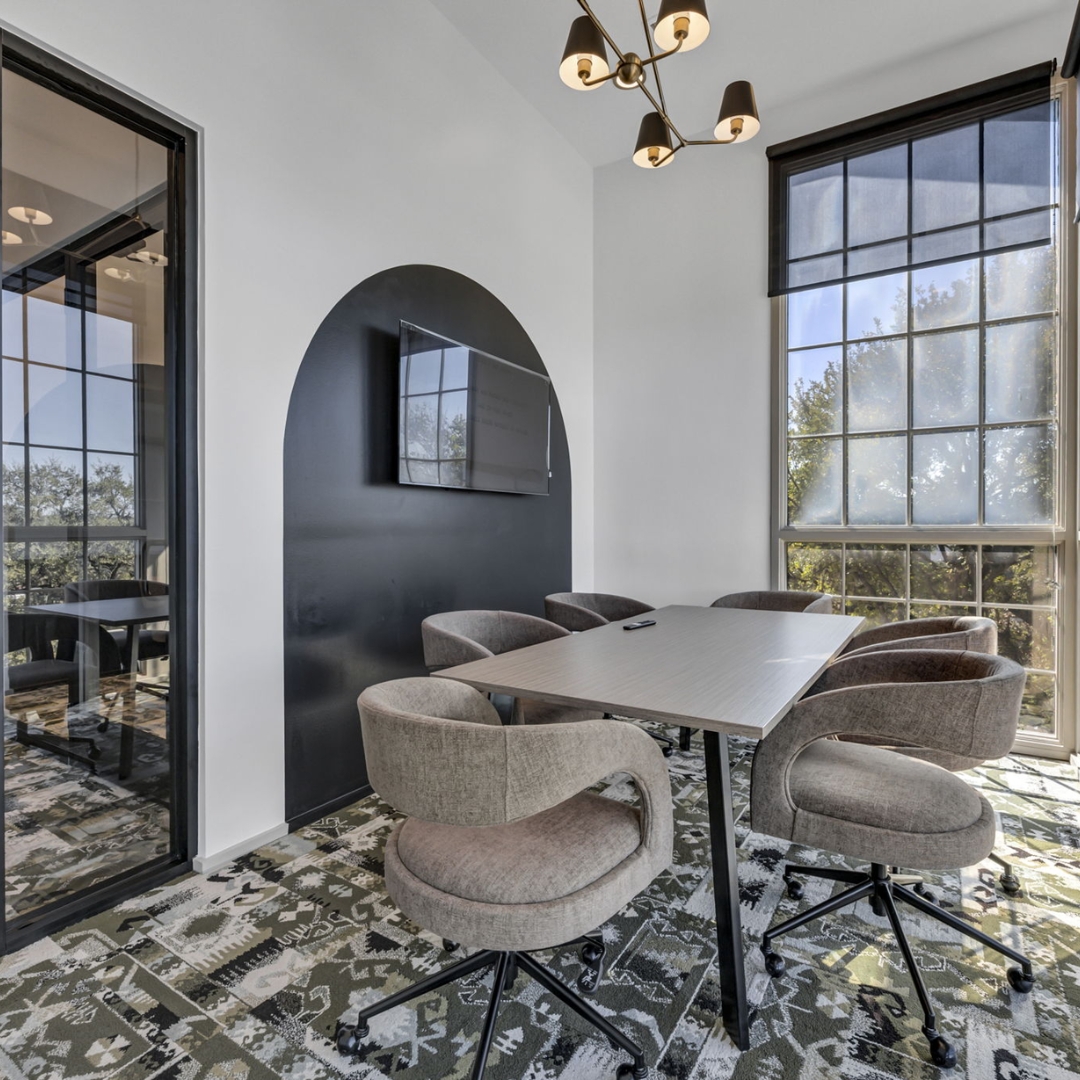
Offering the newest amenity might seem like a top priority for property managers, but more amenities don’t always create a better resident experience. In a 2025 survey of 14,000 students living in recently developed institutional student housing, residents reported that Wi-Fi, fitness centers, and study spaces were among the most important amenities. The same survey also found that price, private bedrooms, and security features were a top consideration for students when weighing their housing options.
The lesson is simple: Fundamentals still matter. Before dedicating valuable square footage to a highly specialized feature, developers need to ask themselves how frequently residents will actually use it. Depending on the community, investments in fitness and wellness areas, package storage, outdoor spaces, communal kitchens, coffee stations, or flexible multi-purpose rooms may deliver more everyday value.
Just as important as square footage is programming. A flexible room that hosts fitness classes one morning, a resident event that evening, and study groups during finals can remain useful as student preferences continue to evolve.
Make the Residence Feel Personal, Not Institutional
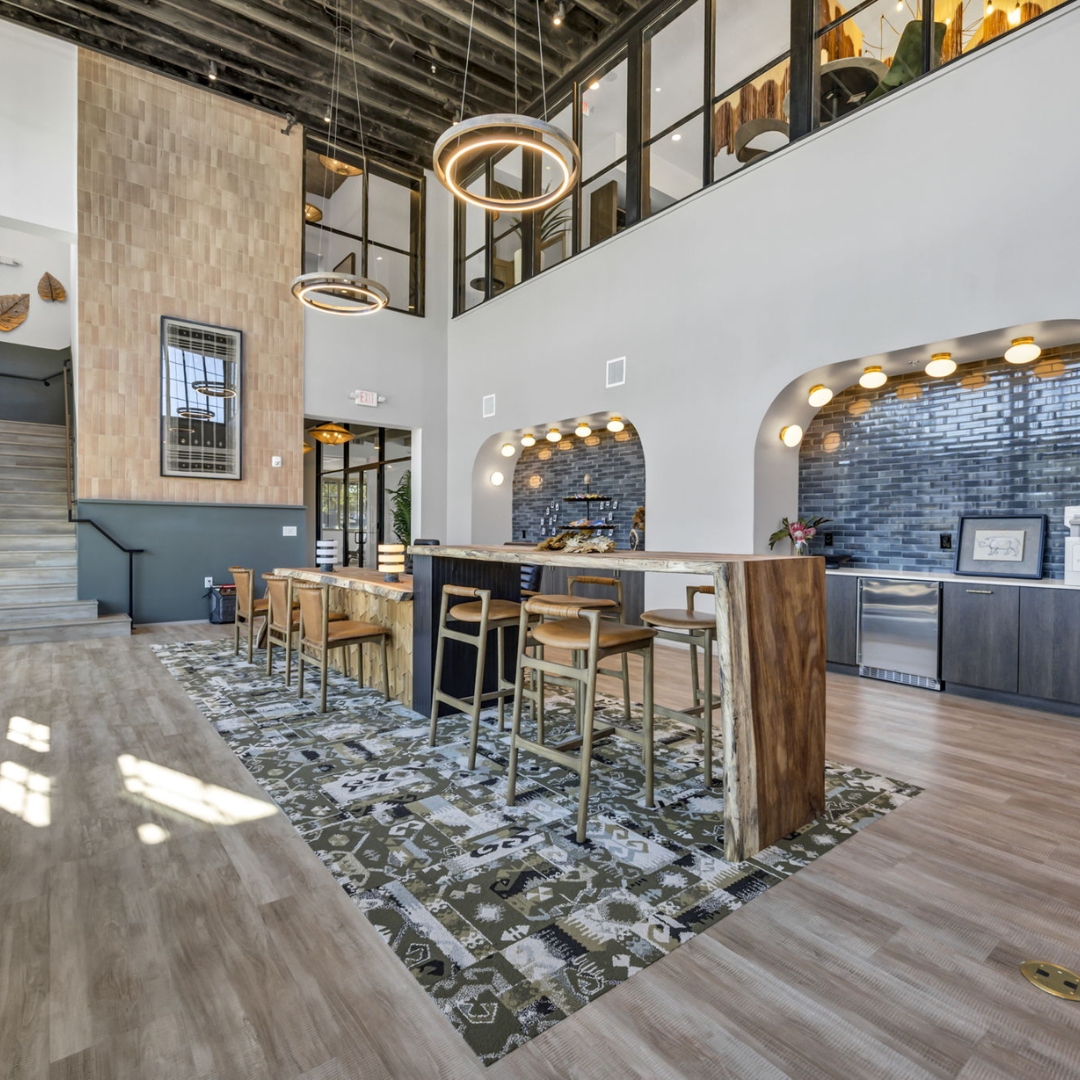
Ensuring functionality in student housing doesn’t mean it has to feel generic. Students spend a significant portion of their college experience at home, so interiors should feel residential, comfortable, and thoughtfully designed. Warm materials, layered lighting, artwork, texture, residential-scale furnishings, and references to the surrounding community can give a property an identity without relying on trends that may quickly become outdated.
“The key is balancing personality with durability,” explains Emily Marriner, Vice President and Director of Design at SouthPark Interiors. “A beautiful chair that can’t withstand daily use is not a successful student housing selection. Likewise, a durable finish that makes the space feel institutional does not make students feel welcome. For us, balance is an important part of designing for student housing environments. Materials and furnishings have to contribute to the design concept while also making sense for the people who operate and maintain the property.”
Flexibility is One of the Best Ways to Future-Proof Student Housing
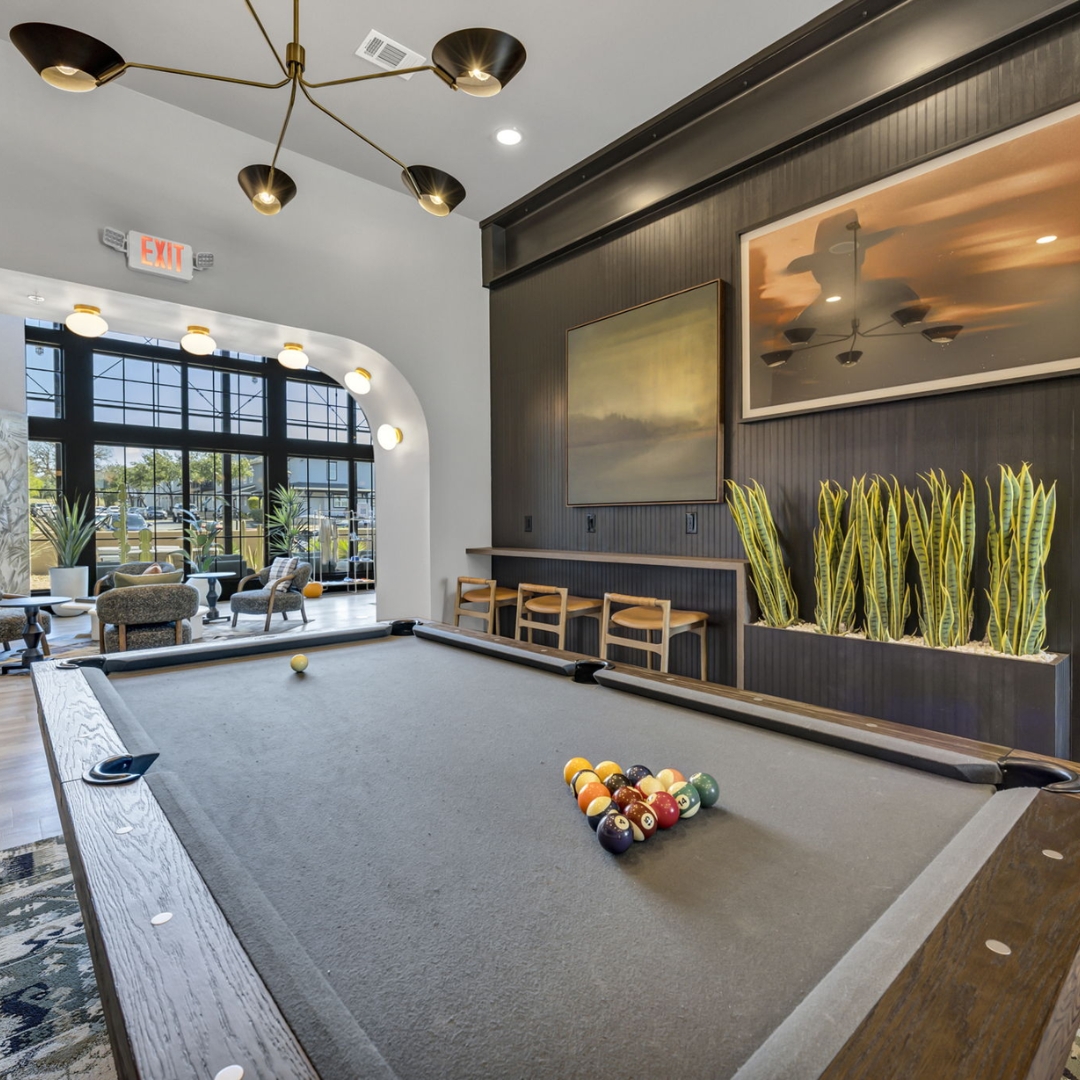
How students live will continue to evolve over time, but building are expected to remain relevant for years to come. This is where flexibility in design can help bridge that gap. Movable furnishings can transform a lounge from individual seating into a group setting. Modular pieces allow operators to adjust layouts as usage patterns become clearer. Multi-purpose rooms can accommodate changing programming, while thoughtfully planned power, connectivity, lighting, and infrastructure make future adaptations easier.
Even small decisions can give operators more options down the road. Rather than trying to predict every future student preference, designers can create spaces capable of responding to them. That adaptability can improve the resident experience today while reducing the need to repeatedly renovate spaces that no longer serve their original purpose.
Start with How Students Live
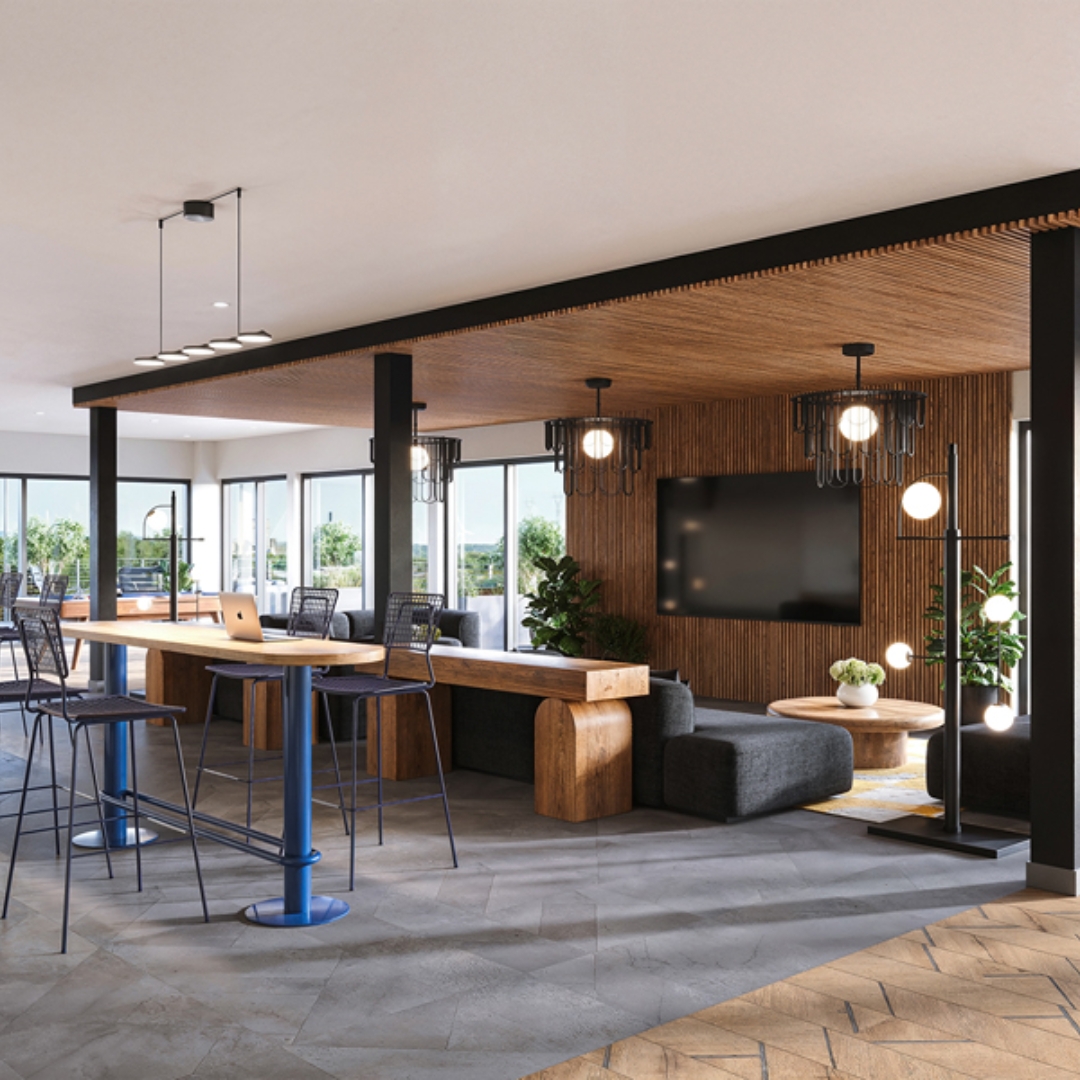
Great student housing is not created by chasing trends; it’s formed by understanding how students actually spend their time. They need connection and privacy, productivity and relaxation, technology and comfort, but they also need spaces that can change with them. When designers, developers, and operators consider that complete experience from the get go, interior design becomes more than a visual differentiator. It can help create student communities that remain useful, welcoming, and relevant long after opening day.


