


Why This Debate Matters in Multifamily Design
In multifamily and student housing, design decisions are never just aesthetic. They influence how quickly units lease, how long residents stay, and how a property performs financially over time. Developers and property managers are constantly navigating a central tension: should a space feel enduring and broadly appealing, or should it reflect the latest lifestyle trends that attract attention today?
The answer is rarely one or the other. Design functions as both a branding tool and an investment decision. A well-positioned property must communicate identity while also supporting long-term operational goals. Striking the right balance between timeless and trend-driven design is where real value is created.
What Is Timeless Design in Multifamily and Student Housing?
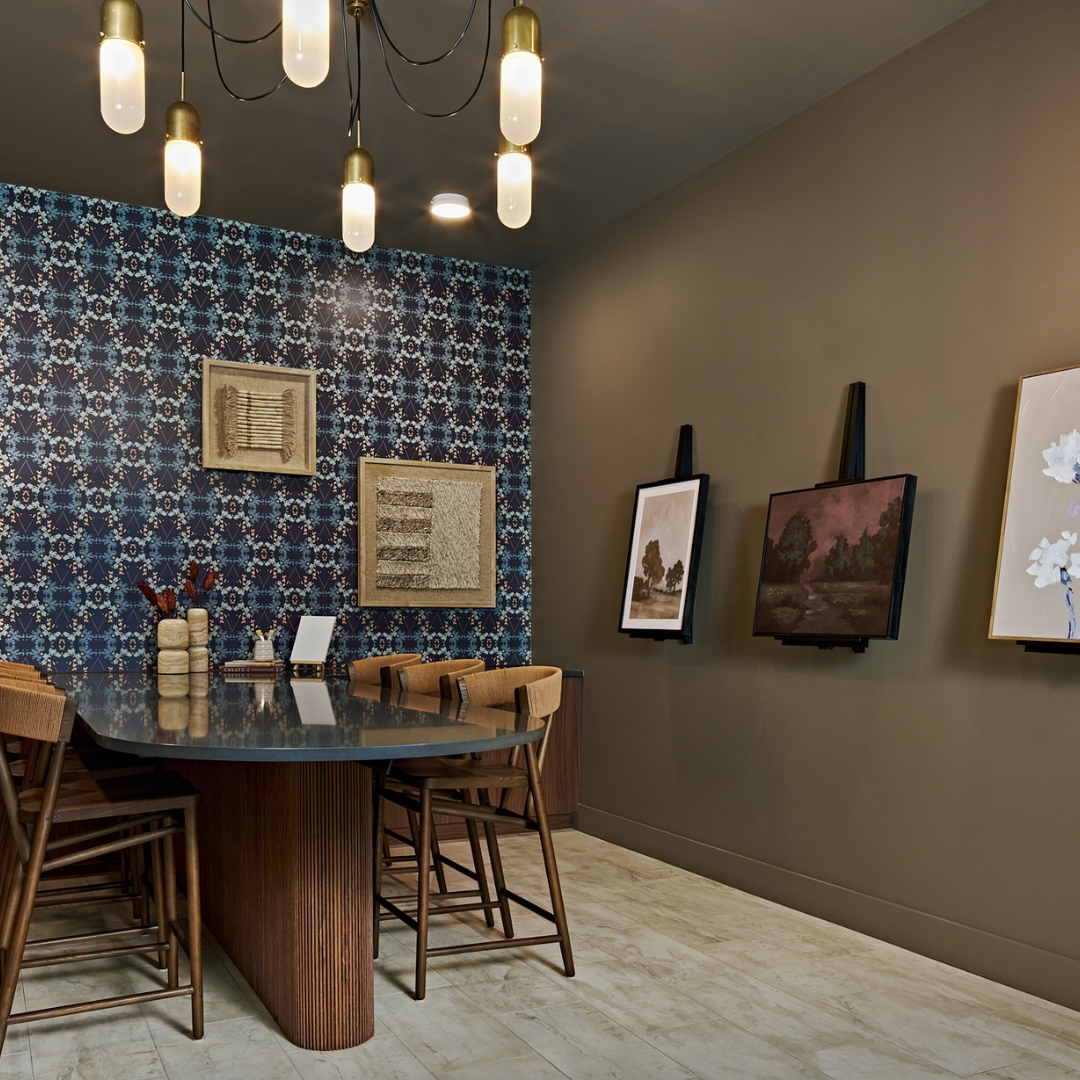
Timeless design in multifamily spaces is rooted in interior architecture and long-term usability. It focuses on creating environments that remain relevant across multiple tenant cycles without requiring constant reinvention.
At its core, timeless design prioritizes:
- Neutral, adaptable palettes that can evolve with changing accents
- Durable, high-performance materials that withstand heavy use
- Clean lines and functional layouts that support daily living
- Broad appeal across diverse renter demographics
Within multifamily environments, this approach shows up in spaces like clubhouses that can accommodate changing programming needs, or leasing offices that maintain brand consistency over years of operation.
The financial benefit is clear. According to the American Institute of Architects, designing for longevity and adaptability can significantly reduce lifecycle costs by limiting the need for frequent renovations. For developers, timeless design is not about playing it safe. It is about building a strong foundation that supports long-term performance.
What Is Trend-Driven Design?
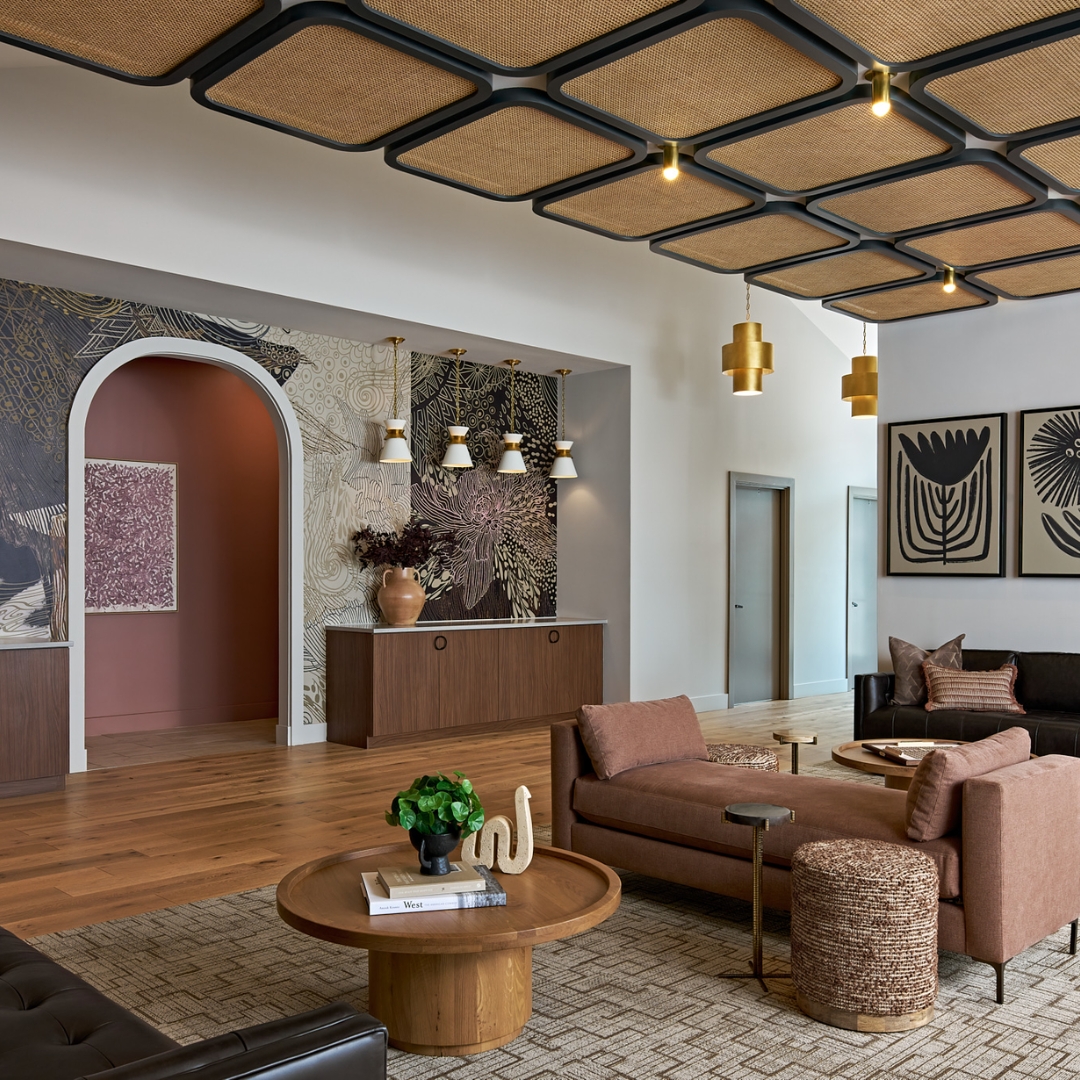
Trend-driven design responds to current renter expectations and cultural shifts. It draws inspiration from hospitality environments, social media aesthetics, and evolving lifestyle priorities.
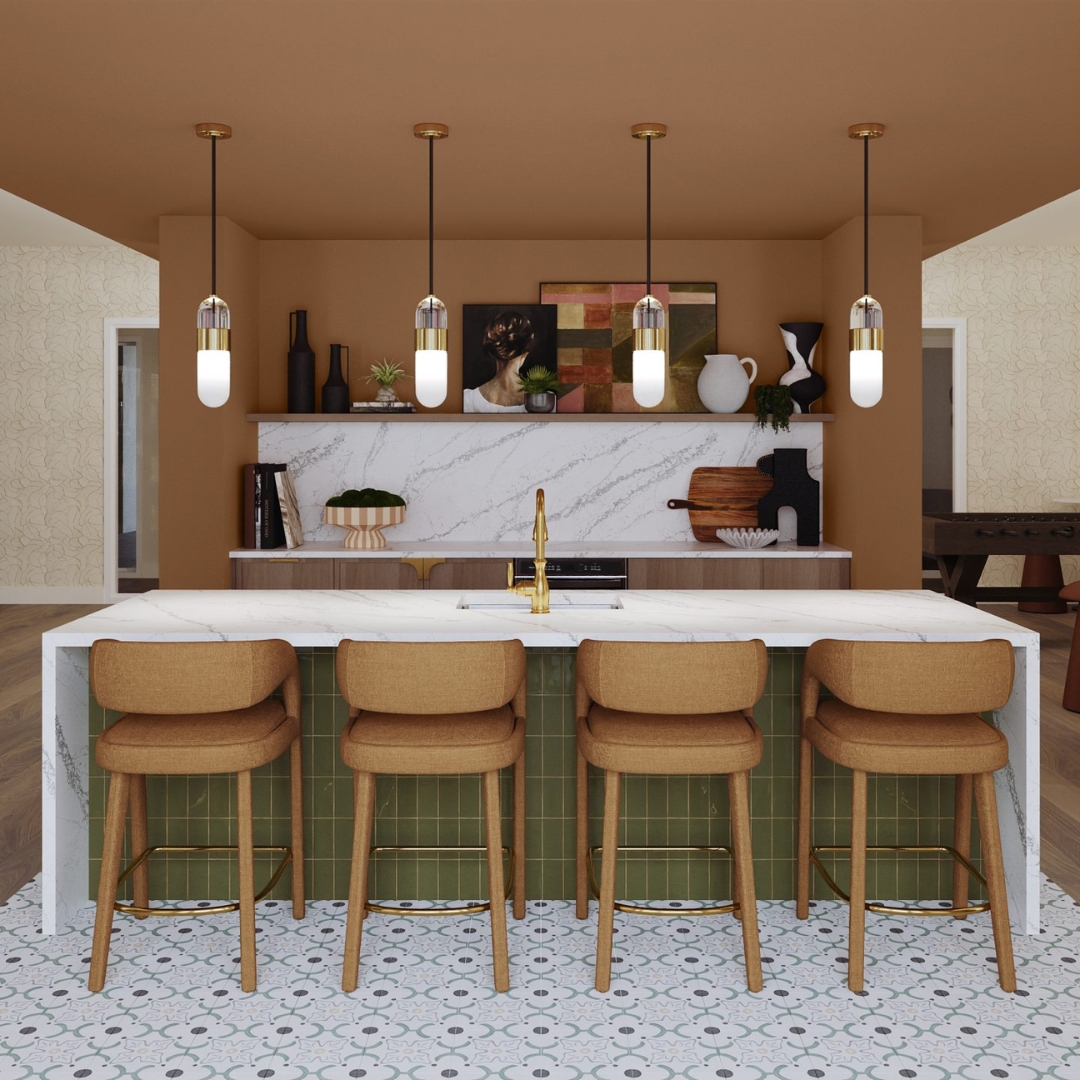
In multifamily spaces, this often includes bold color applications, statement finishes, and highly curated amenity environments. Features like co-working lounges, wellness-focused spaces, and social hubs reflect what today’s renters value most.
Examples within multifamily design include game rooms with high-energy visual identity or outdoor amenity spaces designed to encourage social sharing and engagement. These elements play a critical role during initial lease-up, helping properties stand out in competitive markets.
Trend-driven design creates excitement and immediacy. It captures attention and drives foot traffic, which is essential when a property first enters the market.
The Risks of Going Too Far in Either Direction
Over-Reliance on Timeless Design
When taken too far, timeless design can feel overly neutral or indistinct. Without a clear identity, a property may struggle to differentiate itself during lease-up. This is especially true in markets where younger renters expect spaces to feel curated and experiential.
Over-Reliance on Trends
On the other hand, heavily trend-driven environments can age quickly. What feels fresh today may feel outdated within a few years, leading to increased capital expenditures for updates. There is also the risk of narrowing appeal, which can alienate a broader renter base.
Where Strategy Comes In: Designing with Intent
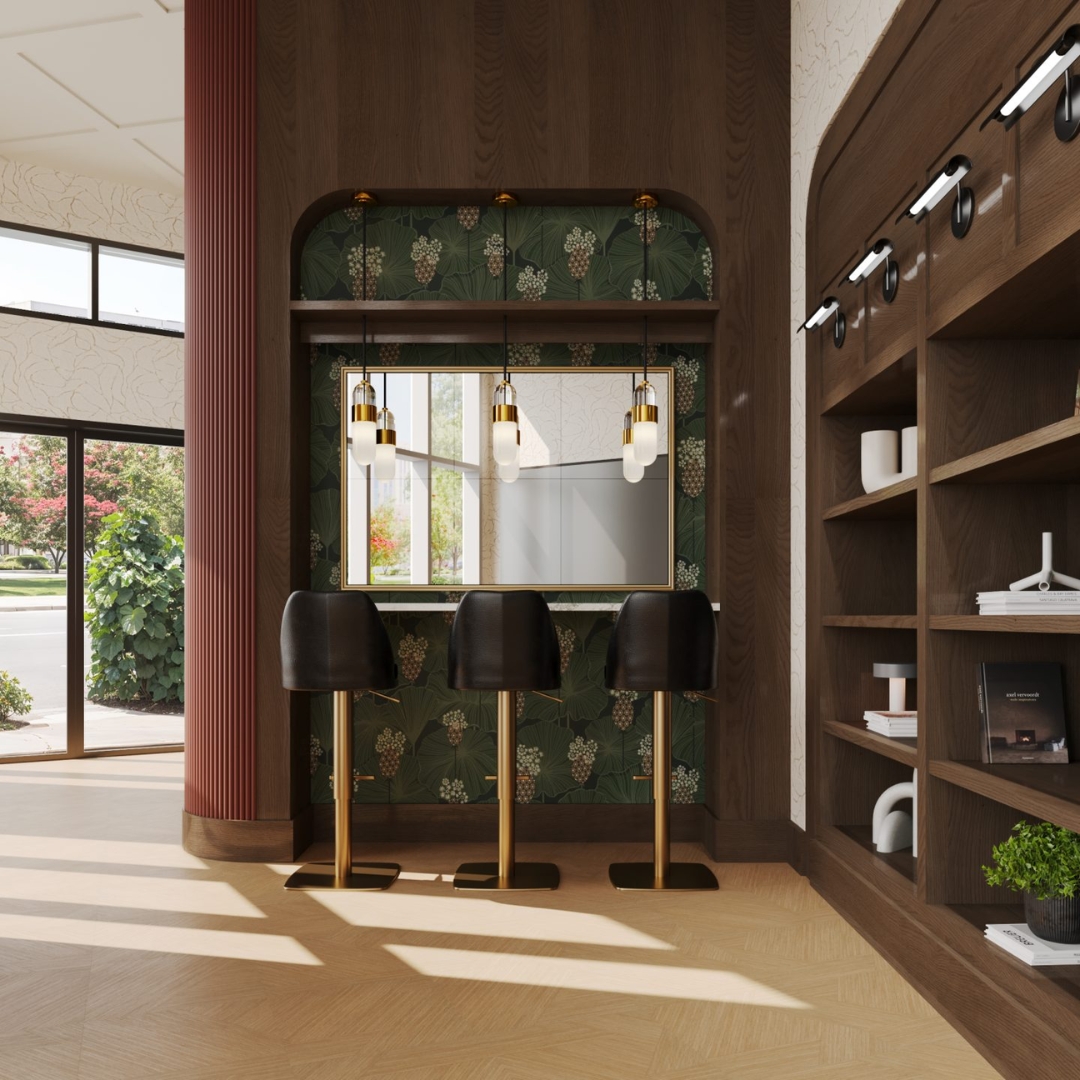
This is where strategic thinking becomes essential. SouthPark Interiors approaches each project as an interior architecture challenge, not simply a design exercise. Every decision is tied to the property’s positioning, target renter profile, and geographic market.
Design should always answer key questions. Who is the renter? What is the competitive landscape? How should the property be perceived in its market?
Lisa Pulsinelli Brooks, principal of SouthPark Interiors, explains it this way: “The most successful multifamily environments are designed with a clear understanding of how people live today, but also how those needs will evolve. You are not designing for a moment. You are designing for a lifecycle.”
This is where design lifespan planning becomes critical. It ensures that spaces are built to adapt rather than be replaced.

How to Balance Timeless and Trend-Driven Design
Finding the right balance requires a layered approach that integrates both strategies intentionally.
Anchor Core Spaces in Timeless Design
Leasing offices, corridors, and foundational architectural elements should prioritize durability, functionality, and long-term brand alignment.
Layer Trends in Adaptable Elements
Furniture, artwork, lighting, and select finishes can introduce personality while remaining easy to update through FF&E procurement cycles.
Prioritize High-Impact, High-Visibility Areas
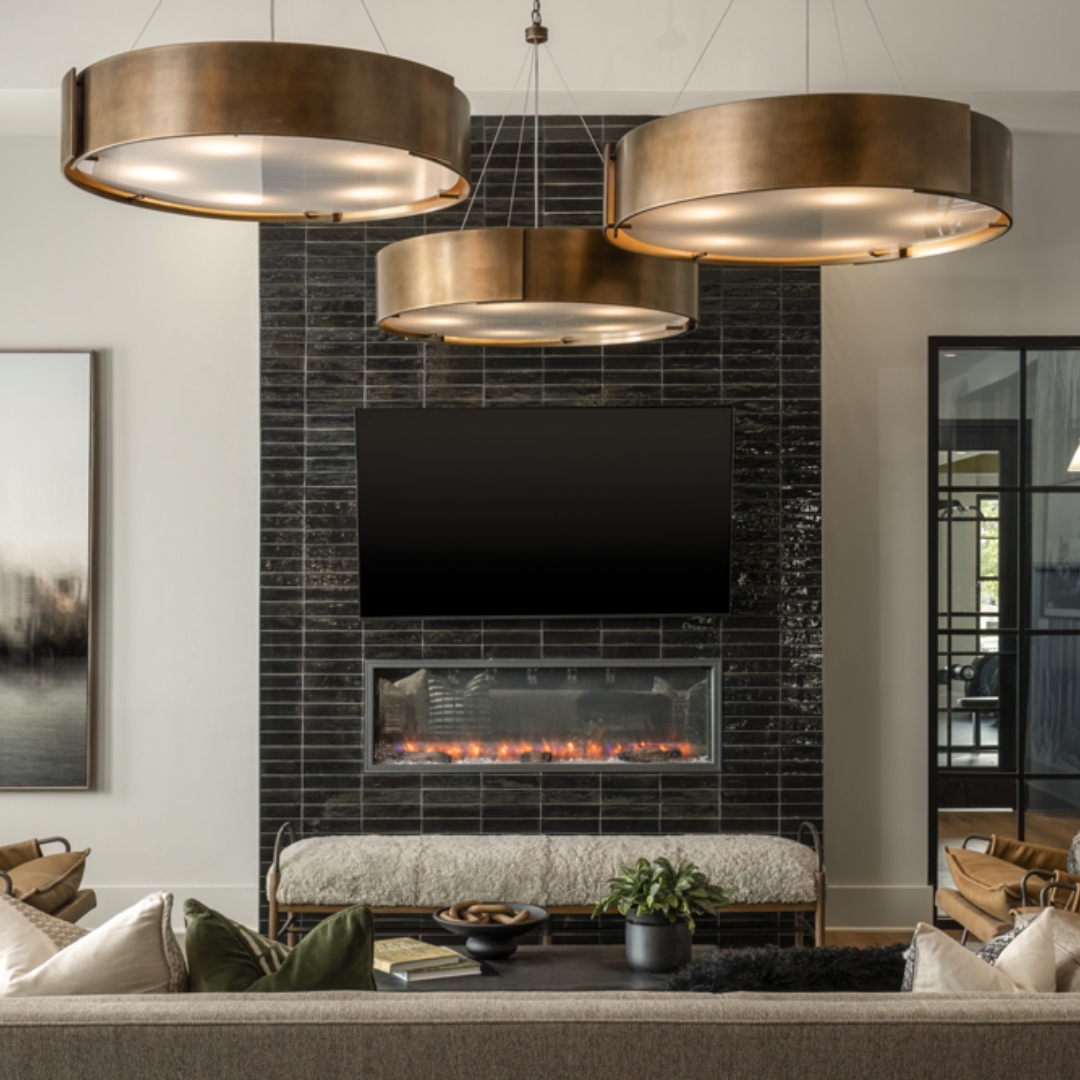
Clubhouses, amenity spaces, and model units benefit from trend-forward design that creates strong first impressions and drives engagement.
Design For Flexibility
Modular furniture and multi-use spaces allow environments to shift alongside changing renter expectations without requiring full redesigns.
This approach protects long-term investment while still delivering the energy and differentiation needed to compete.
The Role of Model Units in Testing Design Direction
Model units offer a unique opportunity to test design strategies in a controlled environment. They allow leasing teams to evaluate how prospective residents respond to specific finishes, layouts, and design narratives before rolling those decisions out across the property.
This is especially valuable when incorporating trend-driven elements. Developers can gauge what resonates and refine their approach accordingly.
At SouthPark Interiors, model units are designed as fully immersive experiences. They are not just representations of a space. They are tools that help convert interest into signed leases.
Case for a Holistic Design Approach
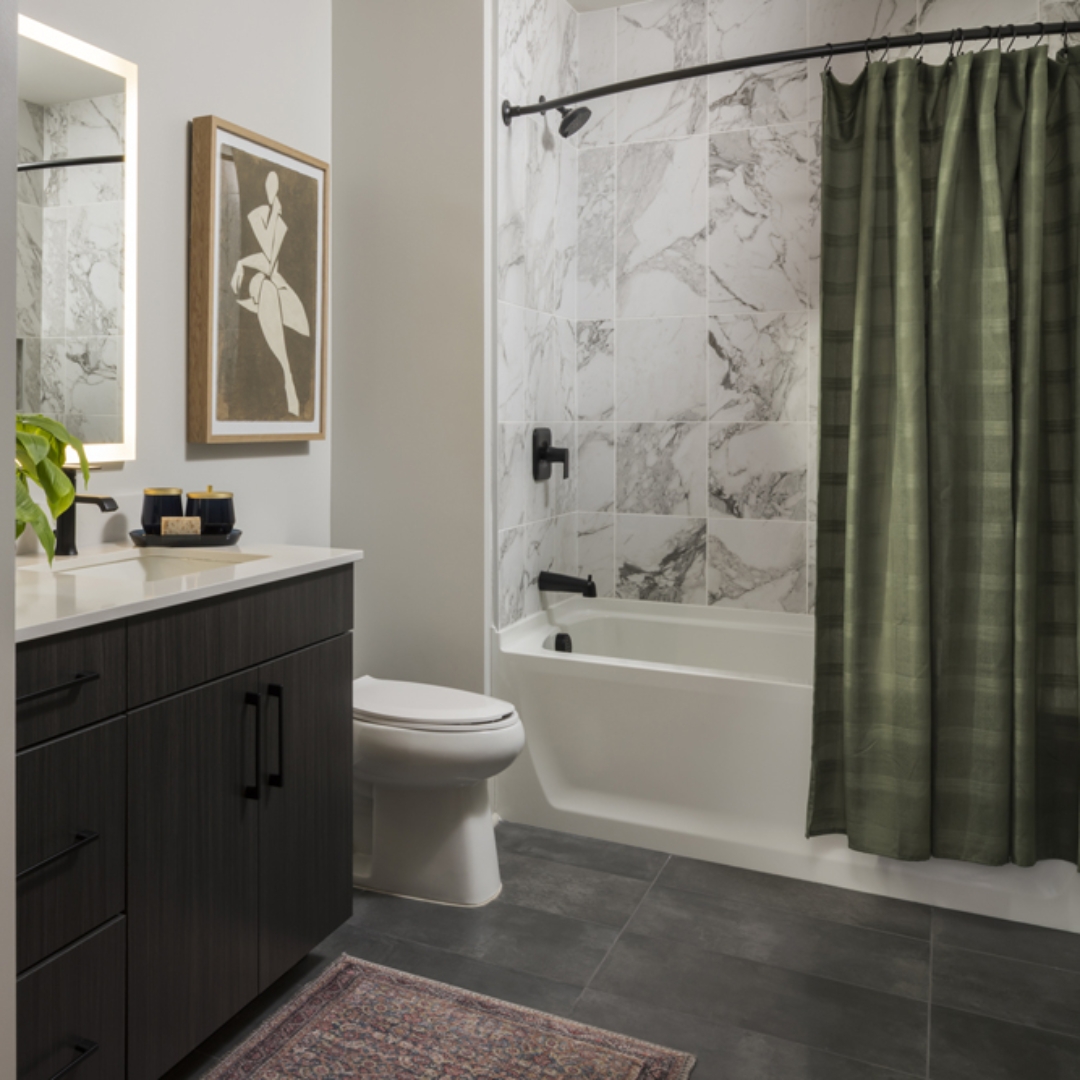
Design does not operate in isolation. Branding, spatial layout, material selection, and FF&E procurement must all work together to create a cohesive environment.
A fragmented approach often leads to higher costs and inconsistent experiences that weaken a property’s identity. In contrast, a full-service process that carries a project from concept through installation ensures that every detail supports the same vision.
When executed correctly, this holistic strategy drives measurable outcomes. Faster lease-up periods, stronger tenant satisfaction, and reduced turnover all stem from environments that feel intentional and cohesive.
Design That Performs Over Time
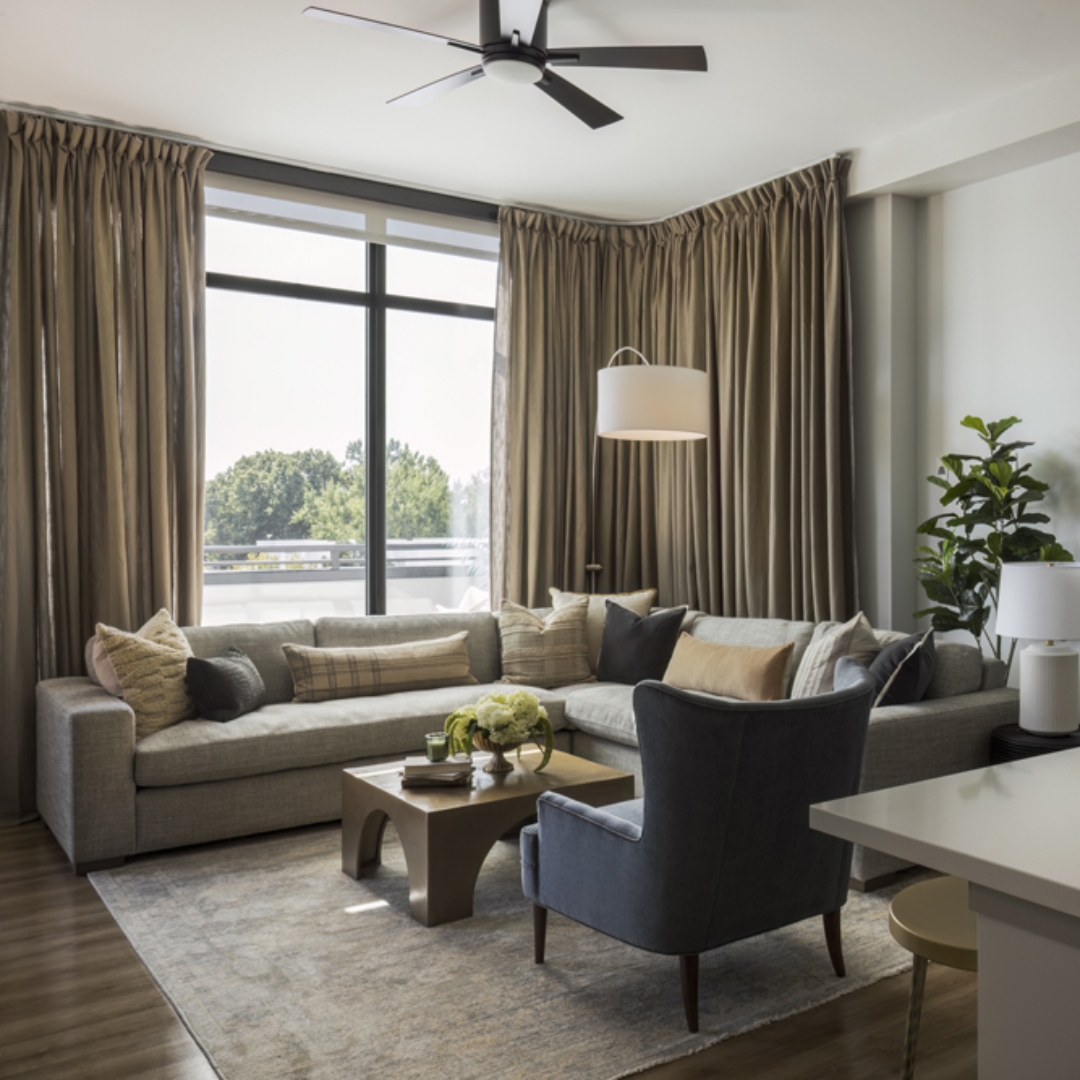
The goal in multifamily design is not choosing between timeless and trend-driven approaches. It is understanding how to integrate both in a way that supports long-term success.
Properties that perform best over time are those that combine a strong architectural foundation with carefully selected, adaptable design elements. They remain relevant without constant reinvention and engaging without feeling forced.
Working with a firm that understands construction realities, developer priorities, and market positioning makes that balance possible. When design is approached with that level of intent, it becomes more than a visual decision. It becomes a strategic advantage.


