The Gist: This article argues that high-quality finishes—like paint, wallpaper, trim, and flooring—are not just decorative, but fundamental to making a space feel complete, intentional, and high-end. SouthPark Interiors
What you’ll learn
How finish details contribute to focal points, balance a room, and reinforce the design concept; why finishes should be planned early and treated with the same care as furniture or lighting; and real examples where finish selections define architectural elements.
SouthPark Interiors
After reading, you’ll be ready to
Prioritize finish selections in your design process, push for finishes in early design conversations, and evaluate whether your project’s finish choices support your long-term design goals.
Talking points
The author compares finishes to a picture frame on a masterpiece, showing how trim, flooring, and wall textures can dramatically shift a room’s feel; in a featured project, the column finish and ceiling color significantly influence the space’s character; finishes deserve equal emphasis as structural or furniture decisions; and treating finish work as a priority—not an afterthought—ensures a polished, cohesive, and thoughtful design.
High quality finishings like paint, wallpaper, trimwork, and flooring have a bigger impact than you think
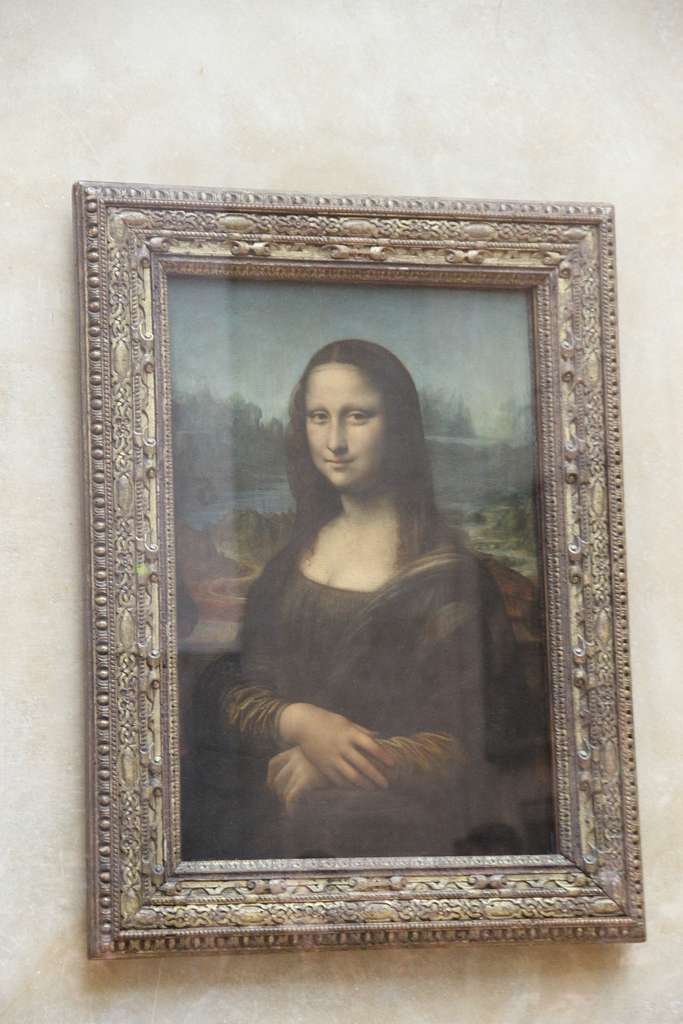
You’ve probably seen the Mona Lisa a dozen times or more, but do you know what the painting’s frame looks like?
Historians and art enthusiasts consider the Mona Lisa the most famous painting in the world. Even if you’ve never been to the Louvre (the museum that houses the original painting), you probably know which direction she faces. You can even picture the subtle expression on her face and the rolling Italian countryside behind her.
But, you probably can’t say what the frame looks like.
What many people don’t realize is that the frame is just as important as the painting. The frame of the Mona Lisa was expertly curated, chosen, and built specifically to house this masterpiece.
So, without the expertly crafted frame, would The Mona Lisa be as majestic sitting in the Louvre?
The simple answer is: No.
Here’s why, and what you can do to ensure you’re choosing the best finishes for your project.
Details Create Focal Points
Ultimately, the Mona Lisa is a classic example of why accent details (like frames, wall lighting, accents, flooring, and other trim) matter in interior design. You might not recall every detail of these elements. But they serve a powerful purpose in highlighting the main attraction (like the Mona Lisa).
A frame can change the whole dynamic of a painting. Frame thickness can affect lighting and shadows, for example. Frame color can enhance or distract from the colors in the artwork.
The same can be said for all types of finishes, not just wall art. Professional designers make all of the elements in the room work together. It’s creating a forest out of individual trees, ensuring a space looks complete and intentional.
These details are often overlooked, but the design simply isn’t the same without them. An expertly crafted room without proper finishes looks incomplete and unprofessional.
Examples of How Finishes Complete a Room
Finishes should be visible and specific on design boards. They’re just as much a part of the design as room size, colors, window placements, and structural support.
Here’s an example from a recent property we designed: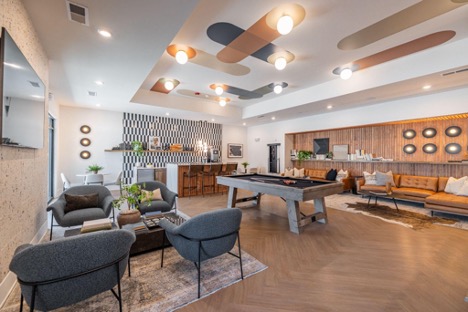 From the color on the ceiling to the shape of the light fixtures and the accent textures on the walls, these elements work together to create a full and unique design. Take away any single element and the room changes drastically.
Or how about the column in this project?
 Remove the texture and the column doesn’t have the same appeal.
The finishes chosen should support the design and make your buildings look complete.
Moral of the Story: Treat Finishes as a Priority, Not an Afterthought
They might be called “finishes,” but they’re not the last thing you need to think about.
Simply put: Don’t overlook them, and make sure your design team doesn’t either.
And in case you were wondering, this is the frame on the Mona Lisa: