How Apartment Communities Can Support Today’s Hybrid Workforce
For a while, it seemed like the future of work would be centered almost entirely around the home. Apartment communities responded accordingly, adding coworking lounges, private offices, Zoom rooms, and other spaces designed for residents who rarely needed to commute. Now, more employees are heading back to the office. But that doesn’t mean apartment design can simply return to its pre-2020 playbook.
Hybrid work has proven remarkably durable. According to Gallup’s ongoing research into hybrid work, 52% of U.S. employees with remote-capable jobs currently work a hybrid schedule, compared with 26% who are fully remote and 22% who work entirely on-site.
For multi-family owners and developers, that creates a different design challenge. Residents do not necessarily need their apartment community to function as their full-time office, but they need it to work around a schedule that changes from one day to the next.
The Hybrid Workforce Isn’t Going Away
Return-to-office headlines can make it sound as though remote work is disappearing, but the numbers tell a more complicated story. Gallup found in September 2025 that hybrid employees were spending an average of 46% of their workweek in the office, equivalent to about 2.3 days. More importantly for long-term planning, work location patterns had remained relatively stable since 2022.
That matters when designing multi-family communities because residents are no longer neatly divided into commuters and remote workers. The same resident may leave for the office Tuesday morning, take a video meeting from home Wednesday afternoon, and finish a project from the clubhouse on Friday. The goal, then, is not to build an apartment community around remote work. It’s to build one around flexibility.
Amenities That Support Today’s Workday
Early version of apartment coworking spaces often resembled traditional business centers. A few desks, office chairs, and perhaps a printer were considered enough. Today’s residents have more varied needs. Someone joining a confidential video call needs privacy, while another resident might want a comfortable place to work for an hour without sitting alone inside an apartment. Another tenant may simply need reliable Wi-Fi and an outlet while answering emails.
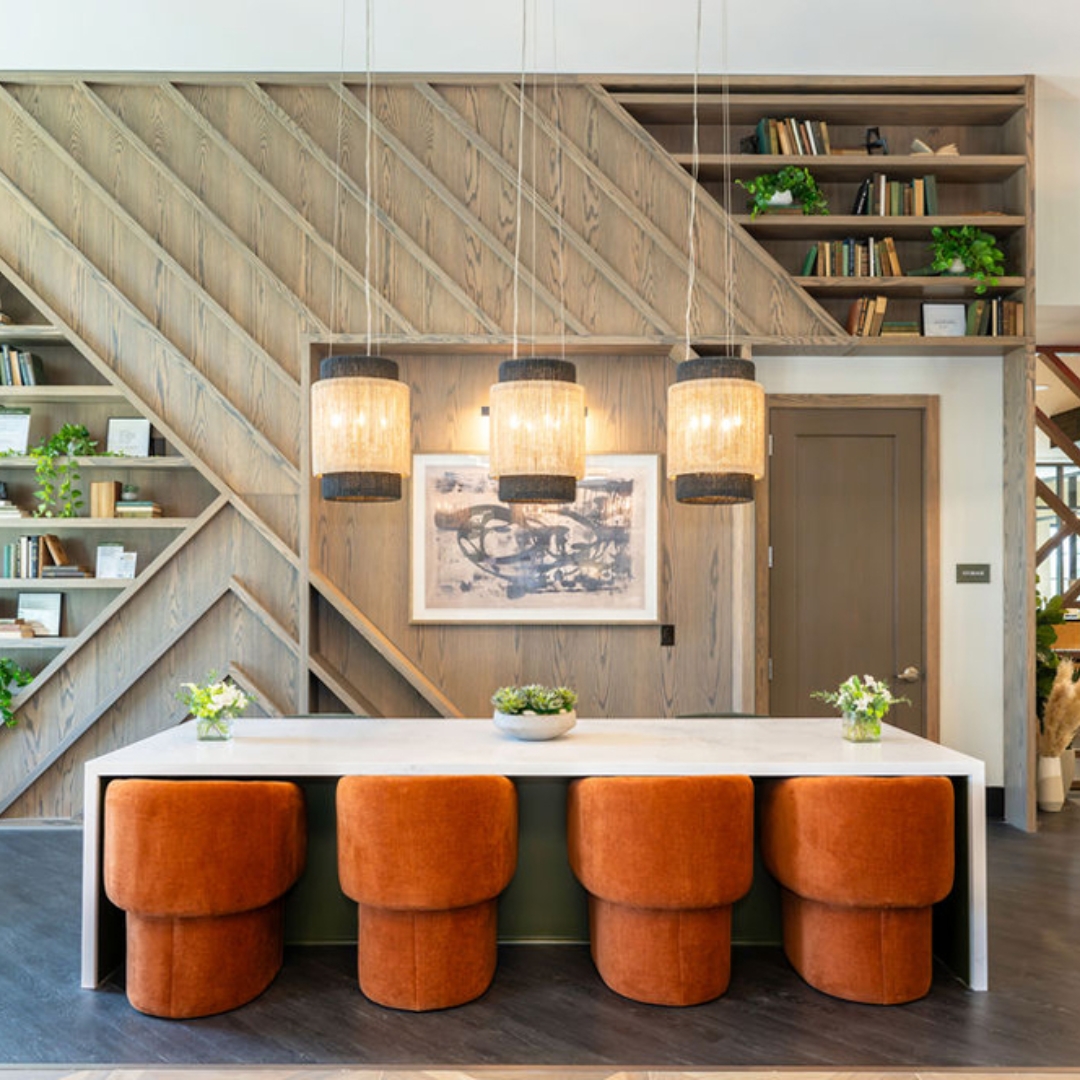
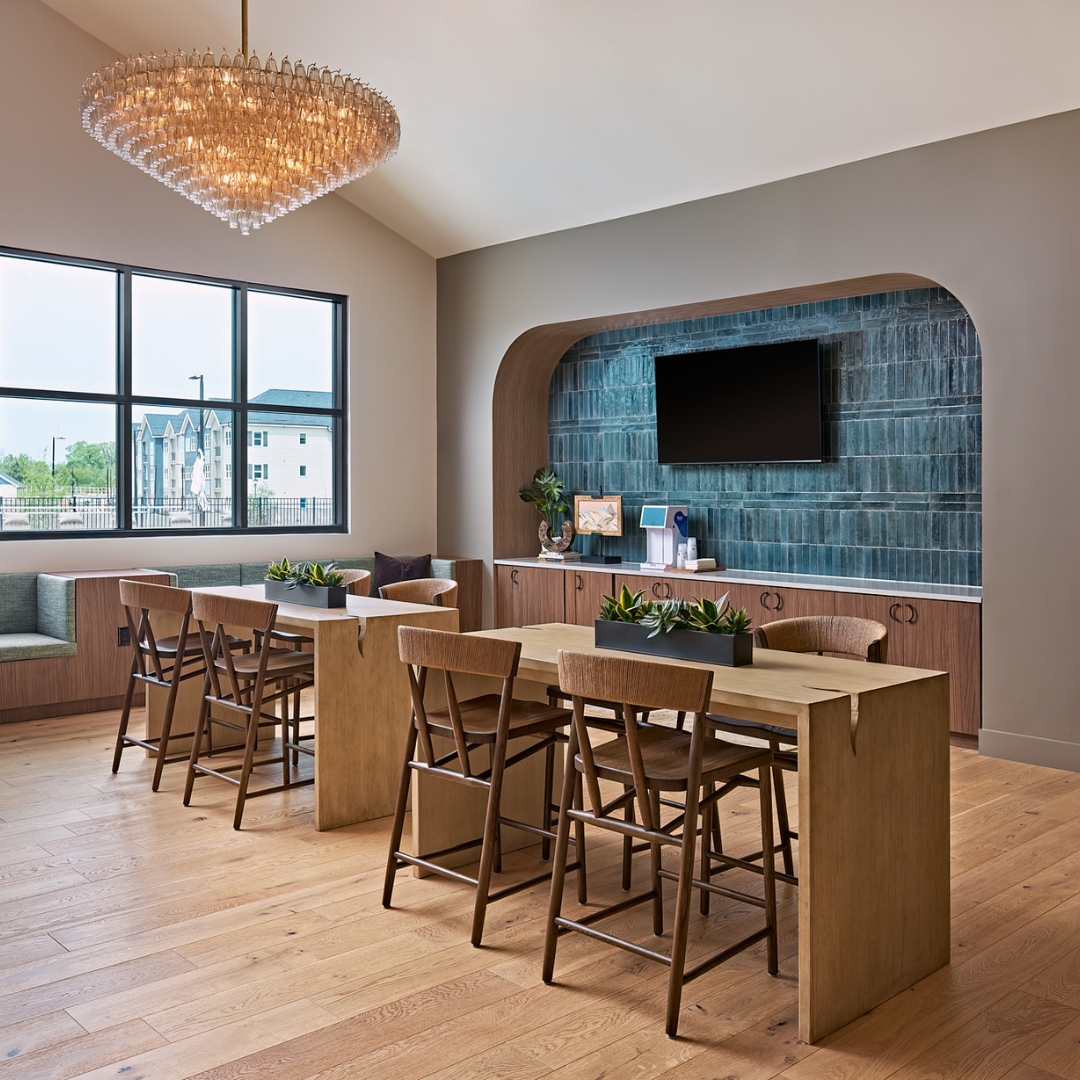
That calls for a mix of environments, such as private focus rooms, reservable meeting spaces, communal tables, comfortable lounge seating, outdoor work areas, and coffee bars. There is also a case for resisting the temptation to overbuild highly specialized coworking amenities. Apartments.com’s analysis of renter preference data found that just 25% of surveyed renters considered rentable coworking space important, while 26% prioritized conference or meeting rooms. More practical amenities ranked considerably higher.
That doesn’t make workspaces irrelevant. It suggests that they should be versatile. A beautifully designed lounge that accommodates laptops during the morning, casual meetings in the afternoon, and resident gatherings at night can deliver more value than a room dedicated solely to coworking.
Apartment Interiors Should Work Harder
The same principle applies inside individual residences. Not every apartment needs a formal home office, particularly as residents spend more days at their employers’ workplaces. But residents still benefit from having somewhere comfortable to work when they are home.
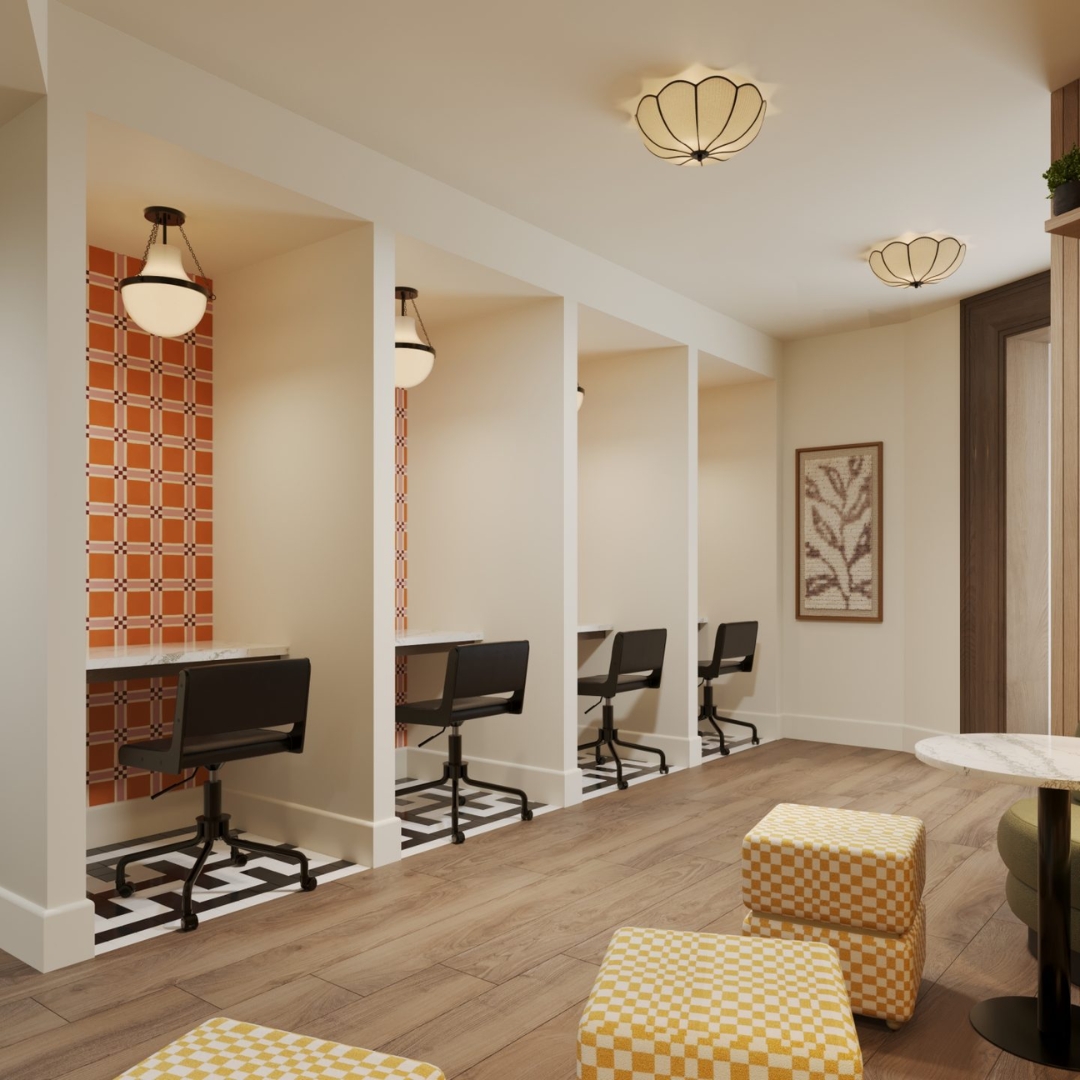
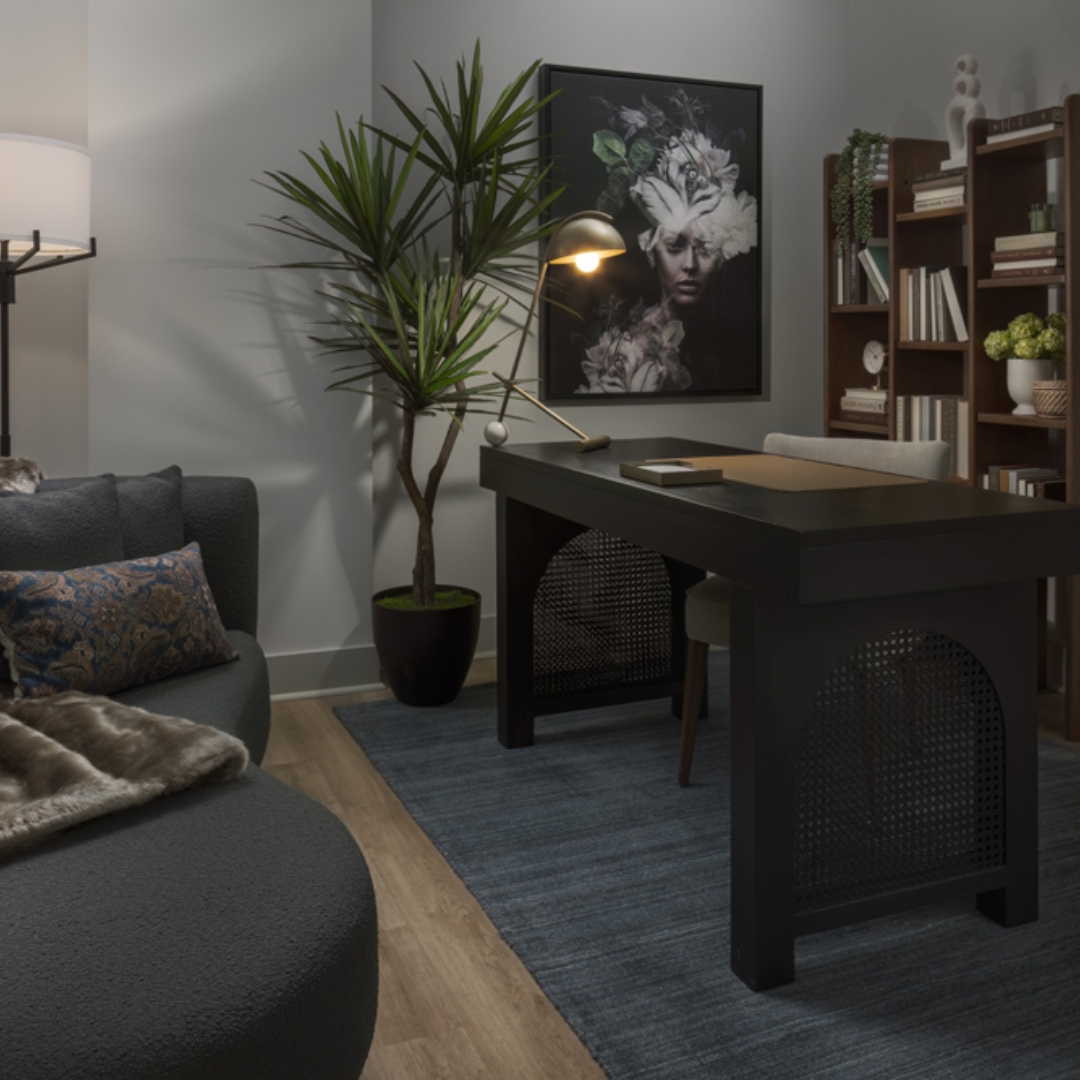
A desk niche incorporated into an otherwise unused wall can create a defined workspace without adding square footage. Convenient electrical outlets and charging access make dining areas more adaptable. Thoughtful lighting can help a workspace function during the day without making the apartment feel like an office after hours.
Storage matters as well. A resident who only works remotely two days each week may want to put a laptop, monitor, paperwork, and other work equipment away when the workday ends.
Space itself is becoming an important consideration. The National Apartment Association reported on 2025 renter demand research that found 52% demand for two-bedroom or junior two-bedroom units compared with 39% supply. The study also found that nearly half of surveyed renters were either hybrid or fully remote. For designers, the lesson is not simply “make apartments bigger,” but make the available space more useful.
Designing the Transition Between Work & Home
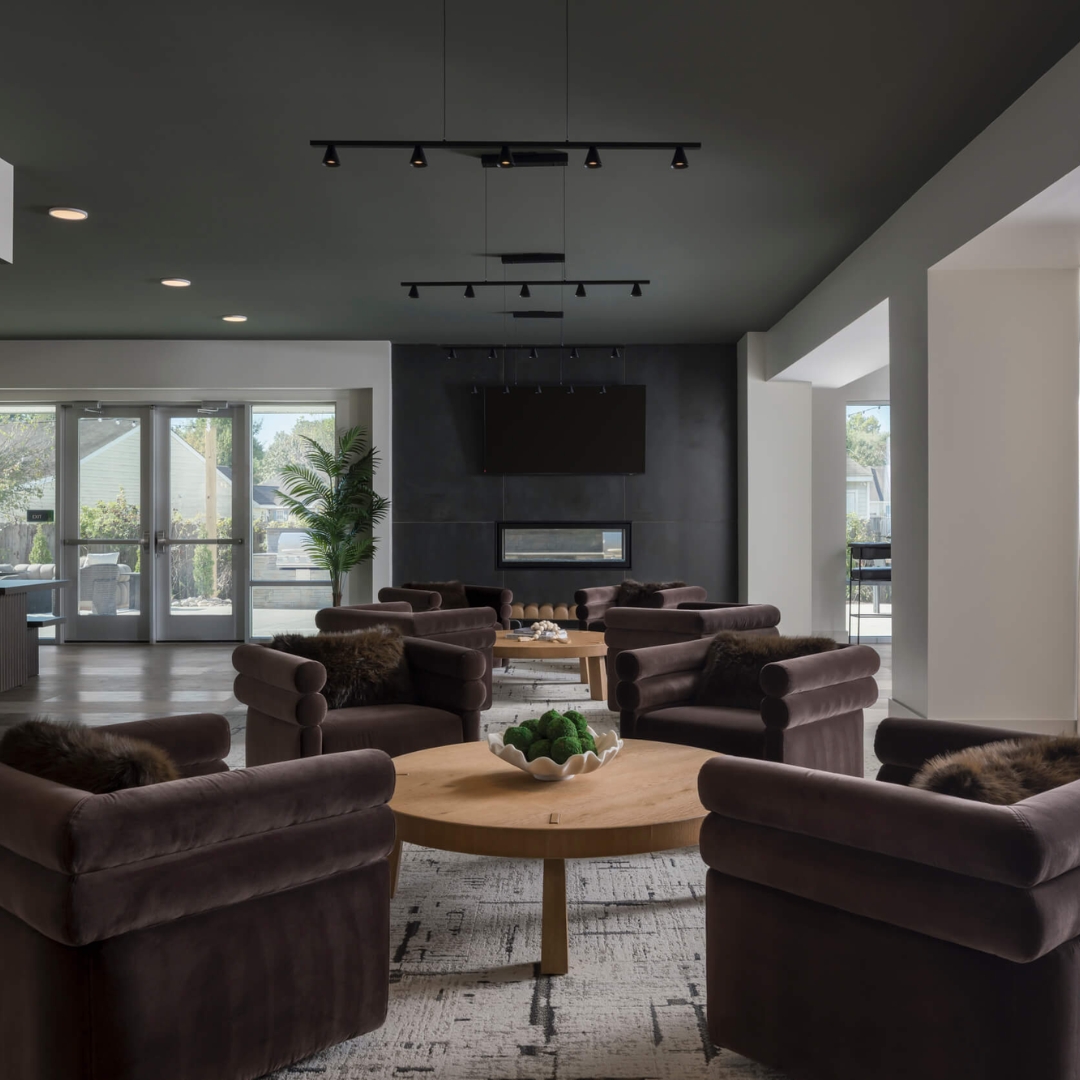
Return to work also raises another question: What do residents want when they come home? After commuting and spending a full day in an office, people may value their apartment community differently than they do on work-from-home days. Fitness rooms, outdoor areas, clubhouses, and comfortable social spaces can provide opportunities to shift out of work mode.
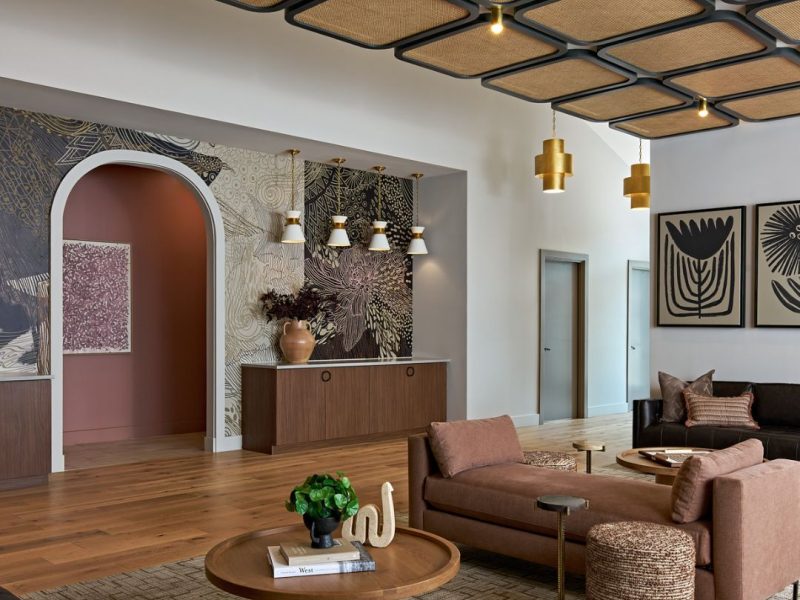
This is where hospitality-inspired design can have an especially strong impact. A welcoming lobby, layered lighting, comfortable seating, greenery, and thoughtfully designed gathering areas can make the arrival home feel noticeably different from the workplace residents just left.
“We are designing for people whose routines can look completely different from one day to the next,” says Lucy Harrison, Interior Designer and Brand Marketing Manager at SouthPark Interiors. “The best spaces give residents choices without making them feel like every square foot has been assigned a single purpose.”
Those choices can contribute to a broader sense of community, too. Residents who spend part of the week in an office and part at home may interact with their apartment community at different times and in different ways. Common areas should be prepared for that fluidity.

Flexibility is the New Luxury
Perhaps the biggest lesson from the return-to-office shift is that multi-family design should be cautious about chasing any one workplace trend. Residents’ priorities remain grounded in everyday usefulness. A 2026 Apartments.com survey of more than 15,000 prospective renters found that 38% ranked amenities among their three most important considerations when choosing a rental. That increased to 46% among Gen Z renters.
The opportunity is to create amenities that earn their square footage by serving residents in multiple ways. A coworking lounge can become an evening gathering space. Private meeting rooms can double as quiet study areas. A communal table can host laptops during the workday and resident events after hours. Even an apartment dining area can function as an occasional office if lighting, outlets, furniture placement, and storage have been considered from the beginning.
A Hybrid Approach is Key to Tenant Retention
Return to work is not bringing multi-family design back to where it was before remote work became commonplace. Instead, it is creating another evolution in how residents use their homes. Properties that recognize that reality can focus less on predicting exactly where residents will work tomorrow and more on giving them spaces that work wherever their schedules take them.