Giving Your Residents the Experience They Deserve
Resident experience is built through hundreds of small interactions. It is the maintenance request that gets answered quickly, the common area that residents actually use, and the update that arrives before someone has to call the leasing office to find out what’s happening.
For property managers, those details have become increasingly important. Residents are evaluating more than the apartment itself; they’re deciding how well the entire community fits into their daily lives.
Recent research from Zillow illustrates just how broad those priorities have become. In its 2025 Consumer Housing Trends Report, 67% of recent renters considered a floor plan that fit their preferences essential, 62% said the same about broadband internet, and 44% considered common building amenities essential when deciding whether to rent a property.
Creating a better resident experience, however, doesn’t mean chasing every new amenity; it starts with understanding what residents need and making deliberate choices about how a property delivers it.
Start with Responsive Communication
Residents don’t expect property managers to prevent every inconvenience, but they do expect to know what’s happening. If an amenity unexpectedly closes, repairs take longer than anticipated, or maintenance needs access to a unit, clear communication can prevent a minor inconvenience from becoming a larger frustration.
That means acknowledging requests promptly, providing realistic timelines, and following up when circumstances change. Resident portals, email, and text notifications can make this easier, but technology alone does not create good communication. The information still needs to be timely and useful.
The same principle applies to lease renewals and other routine interactions. Research highlighted by the National Multifamily Housing Council found that 50% of surveyed residents preferred an online-only renewal process. Convenience matters, but so does having a management team residents can reach when they need a person rather than a portal.
Prioritize Maintenance Before Residents Notice Problems
It’s difficult to create a great resident experience in a community where everyday basics are unreliable. Preventative maintenance should therefore be viewed as part of resident experience, not simply an operational responsibility. Regular attention to HVAC equipment, plumbing, lighting, landscaping, and shared spaces can help management teams identify problems before they disrupt residents.
Small details count. A burned-out hallway light, worn clubhouse furniture, or landscaping that has been neglected for several weeks may not generate an immediate complaint. Together, however, they affect how residents perceive the property.
This aligns with what the National Apartment Association reported in its 2025 examination of resident preferences. Residents increasingly value low-maintenance living and services that make their lives easier, along with reliable internet, security, fitness facilities, and pet-friendly spaces. A well-maintained property demonstrates that management is paying attention. That impression can be difficult to recreate with amenities alone.
Design Spaces That Support Everyday Living
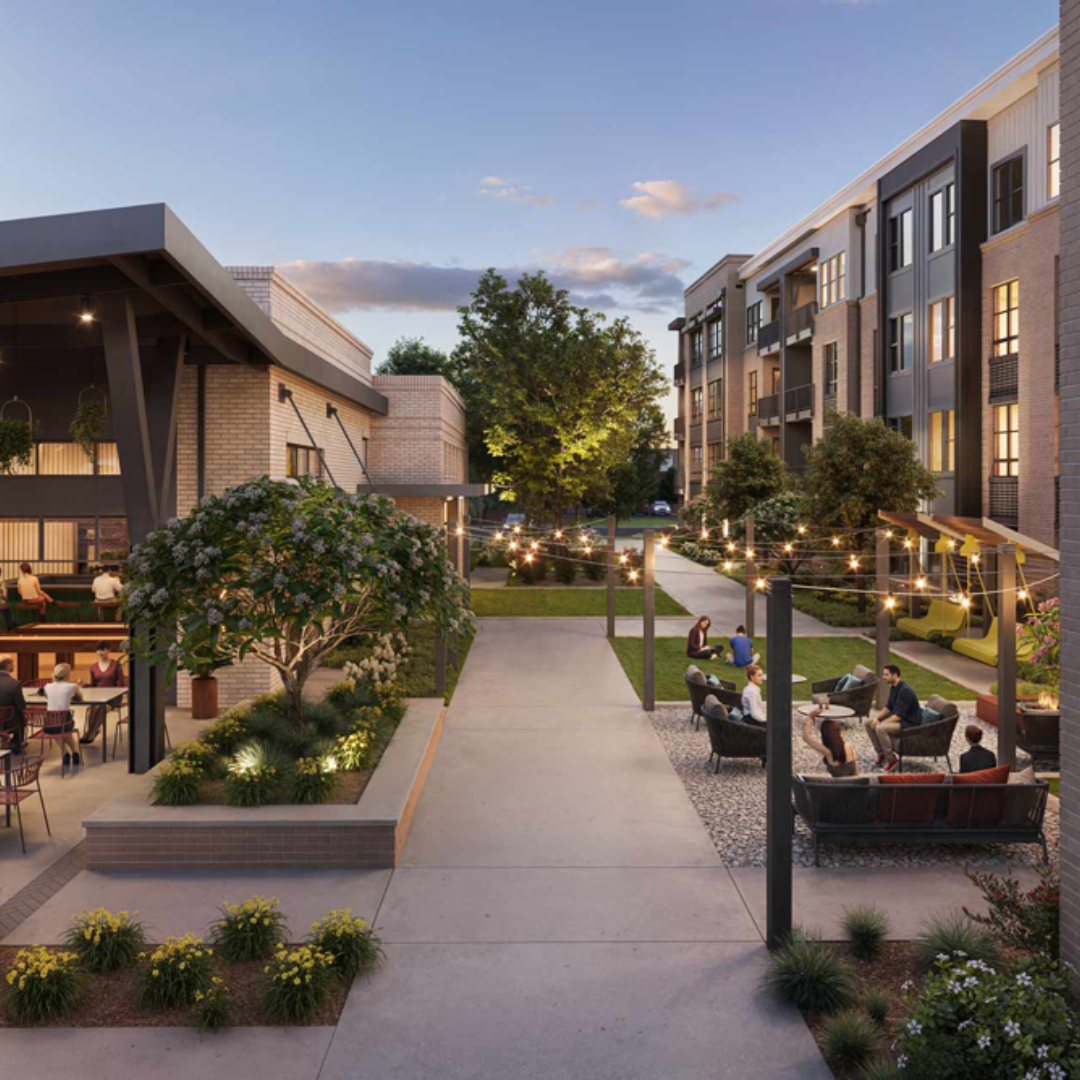
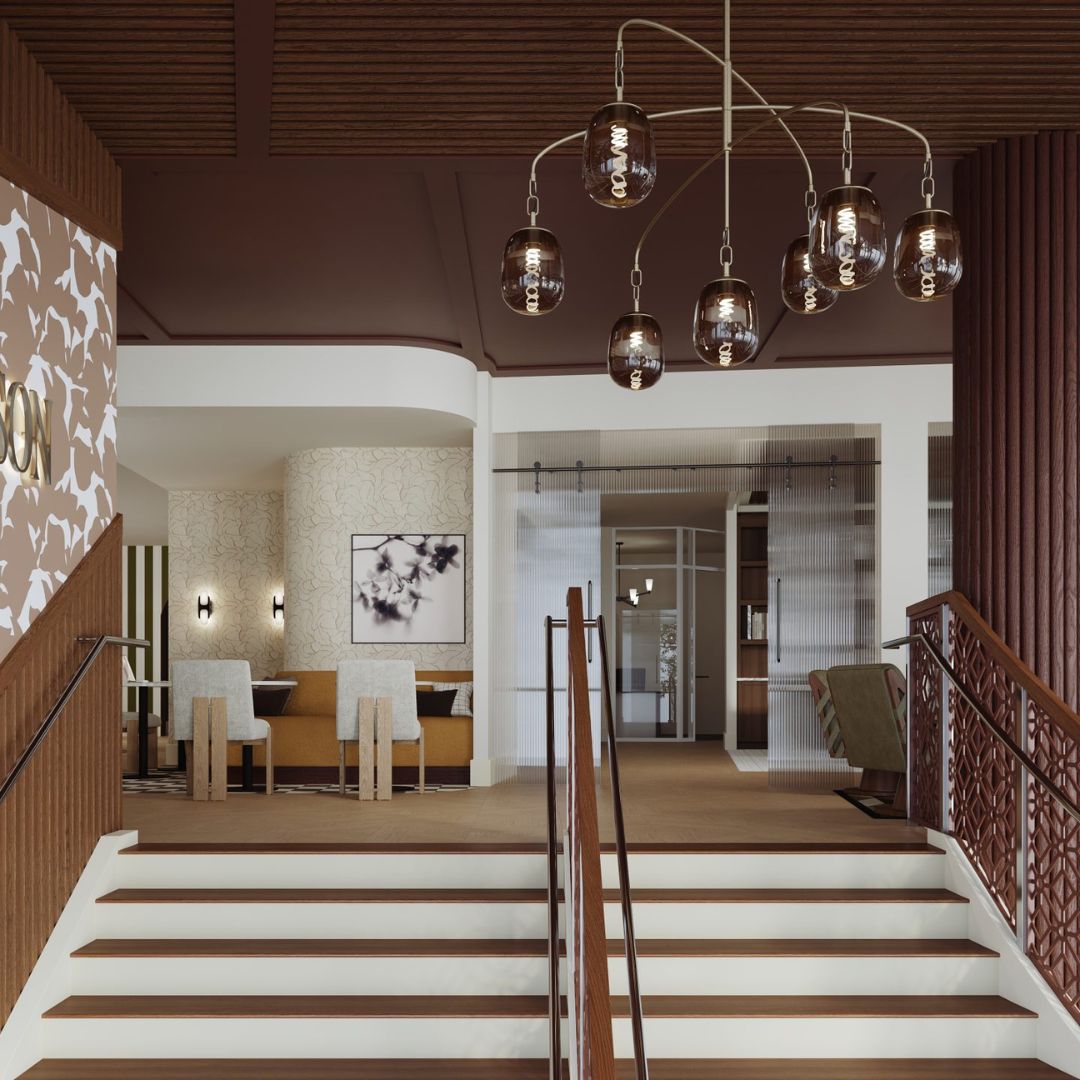
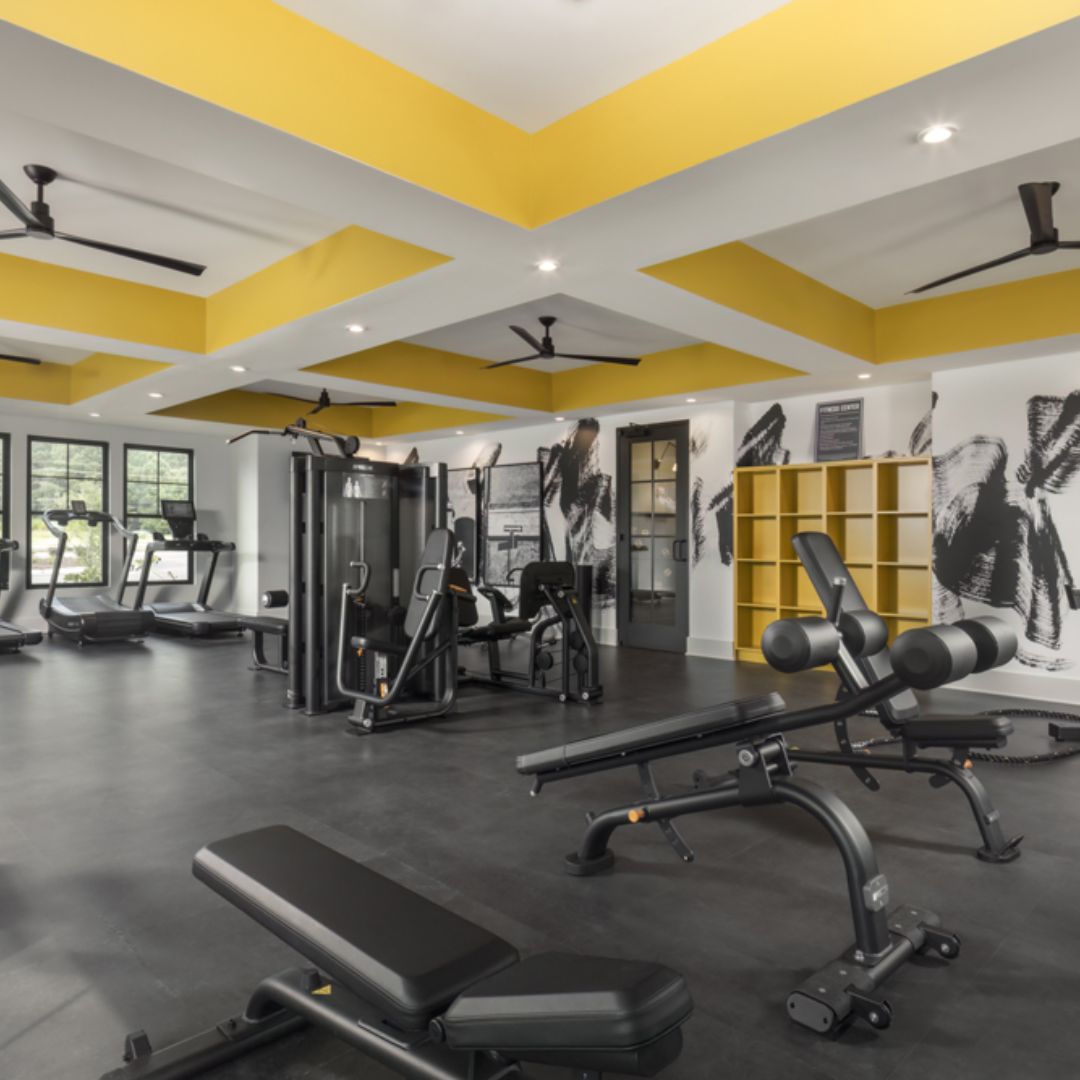
A beautiful clubhouse can make a strong impression during a tour. The better question is whether residents will still use it six months after they move in. Shared spaces work best when they are designed around everyday behavior. A lounge might include conversational seating alongside quieter places where residents can work. Outdoor spaces can accommodate both gatherings and individual relaxation. Pet areas, fitness centers, and coworking spaces should be planned around how people will actually move through and use them.
Current rental trends point in the same direction. Zillow analyzed nearly 5.6 million rental listings and found that practical and community-oriented features such as coworking spaces, turfed pet areas, and community happy hours were generating greater renter interest than some traditional luxury amenities.
“Every space should have a reason for being there,” says Sara Shehab, Senior Interior Designer at SouthPark Interiors. “When we design multi-family communities, we think about what residents will actually do in a space and how it can make their daily lives better. That is what turns an attractive property into a place that feels like home.”
For property managers planning a renovation, that distinction matters. Instead of asking which amenity competitors are adding, start by asking what residents need from the spaces you already have.
Build a Sense of Community
Sometimes the most valuable amenity is simply the one that makes an ordinary task easier. The National Apartment Association’s summary of the 2025 Resident Preferences Report offers a good example. Among residents who had experience with package lockers, lockers ranked as the most valued amenity, ahead of business centers, clubhouses, and pools. More than 90% of those residents used lockers weekly.
That finding offers a useful lesson for property managers: Resident experience is not necessarily improved by offering the longest amenity list, but by identifying friction in residents’ daily routines and finding ways to remove it.
Strong internet is another example. According to NHMC, 87% of respondents to its 2024 renter preferences survey considered having internet available immediately upon move-in either very important or absolutely essential. The conveniences residents notice most may not be the ones that look impressive in a brochure.
Create Opportunities for Connection
Not every resident wants a packed social calendar, but many still value a sense of belonging. Zillow’s 2024 renter research found that 39% of recent renters considered a sense of community or belonging very or extremely important when evaluating neighborhood characteristics.
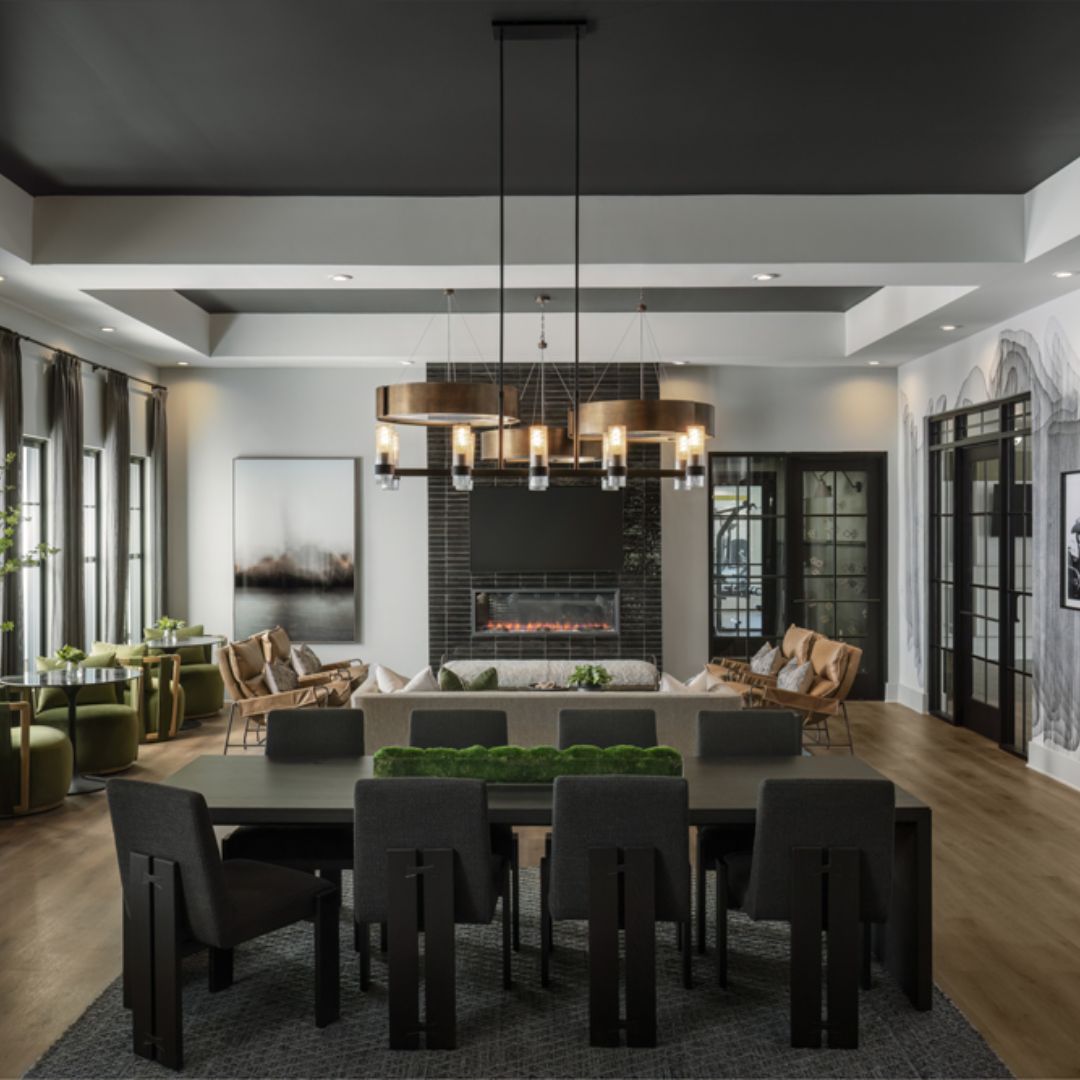
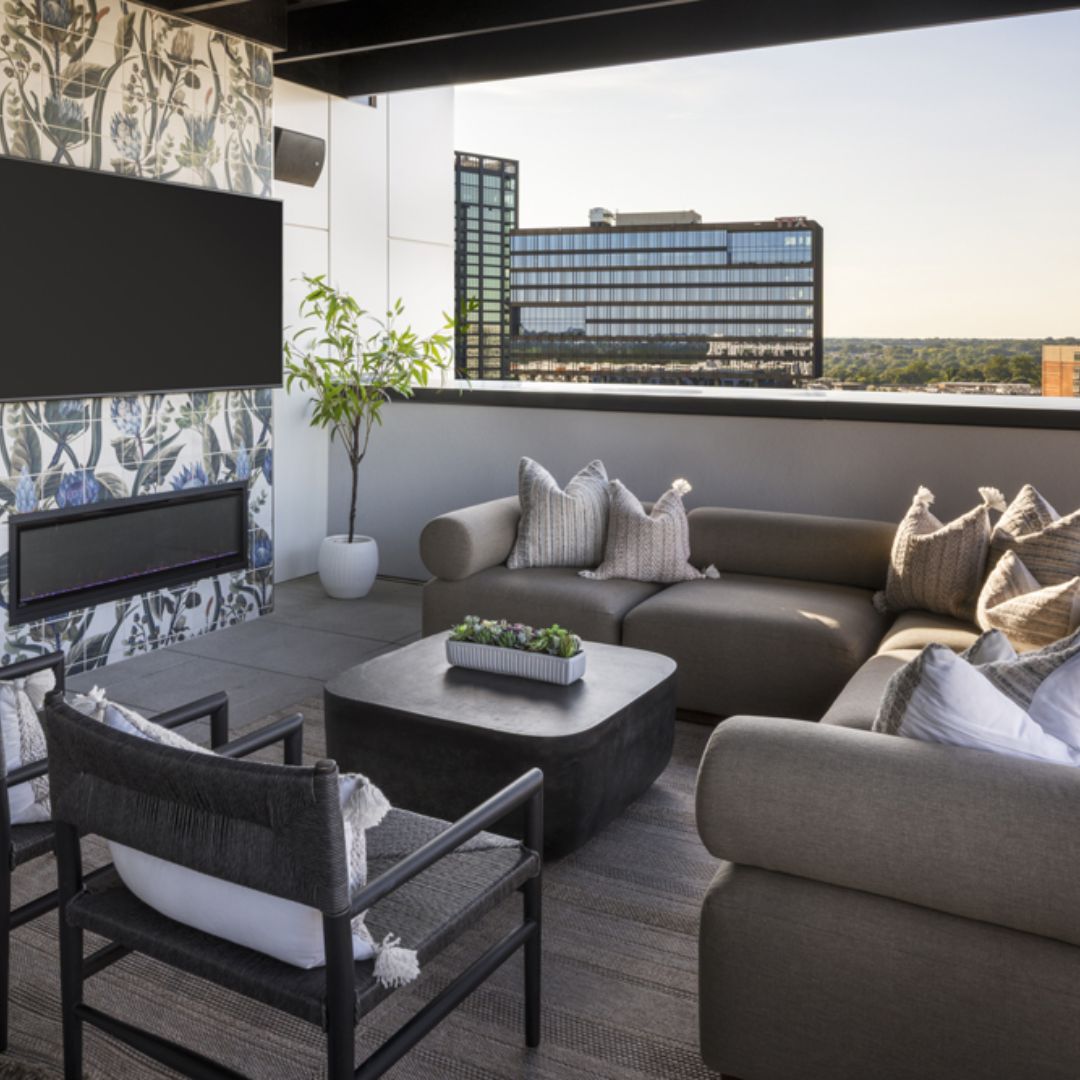
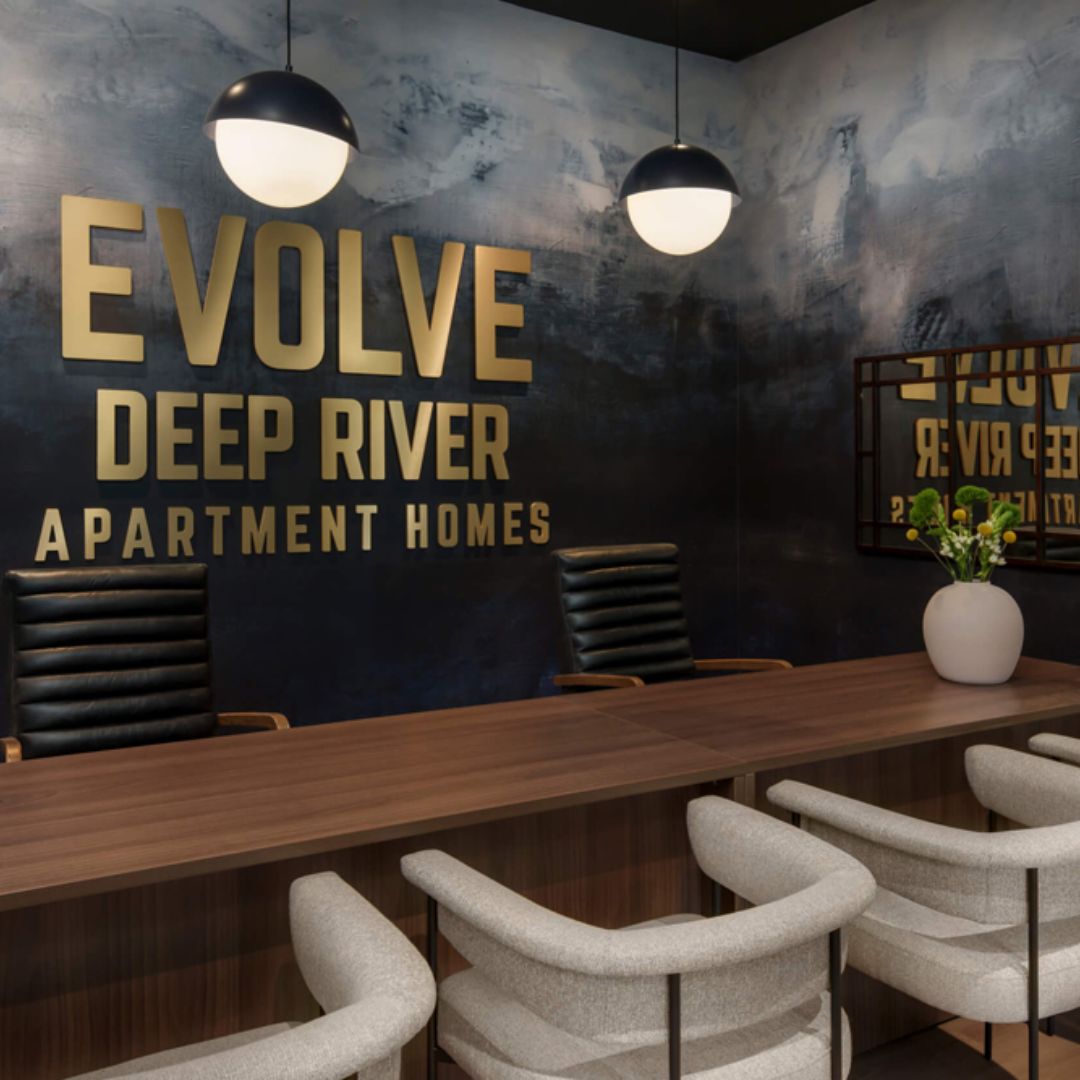
Property managers can support that connection without forcing it. Resident appreciation events, seasonal gatherings, fitness classes, and partnerships with neighborhood businesses can give people opportunities to meet. The physical property can help, too. Communal tables, outdoor gathering spaces, and flexible seating create natural places for interaction. The goal is to create a community where connection is available for those who want it.
Listen, Measure & Continuously Improve
Resident preferences change, which means a successful property can’t rely solely on what worked five years ago. Surveys, online reviews, maintenance records, and conversations with residents can all reveal where expectations are changing. Property managers should look for patterns rather than reacting to every individual comment.
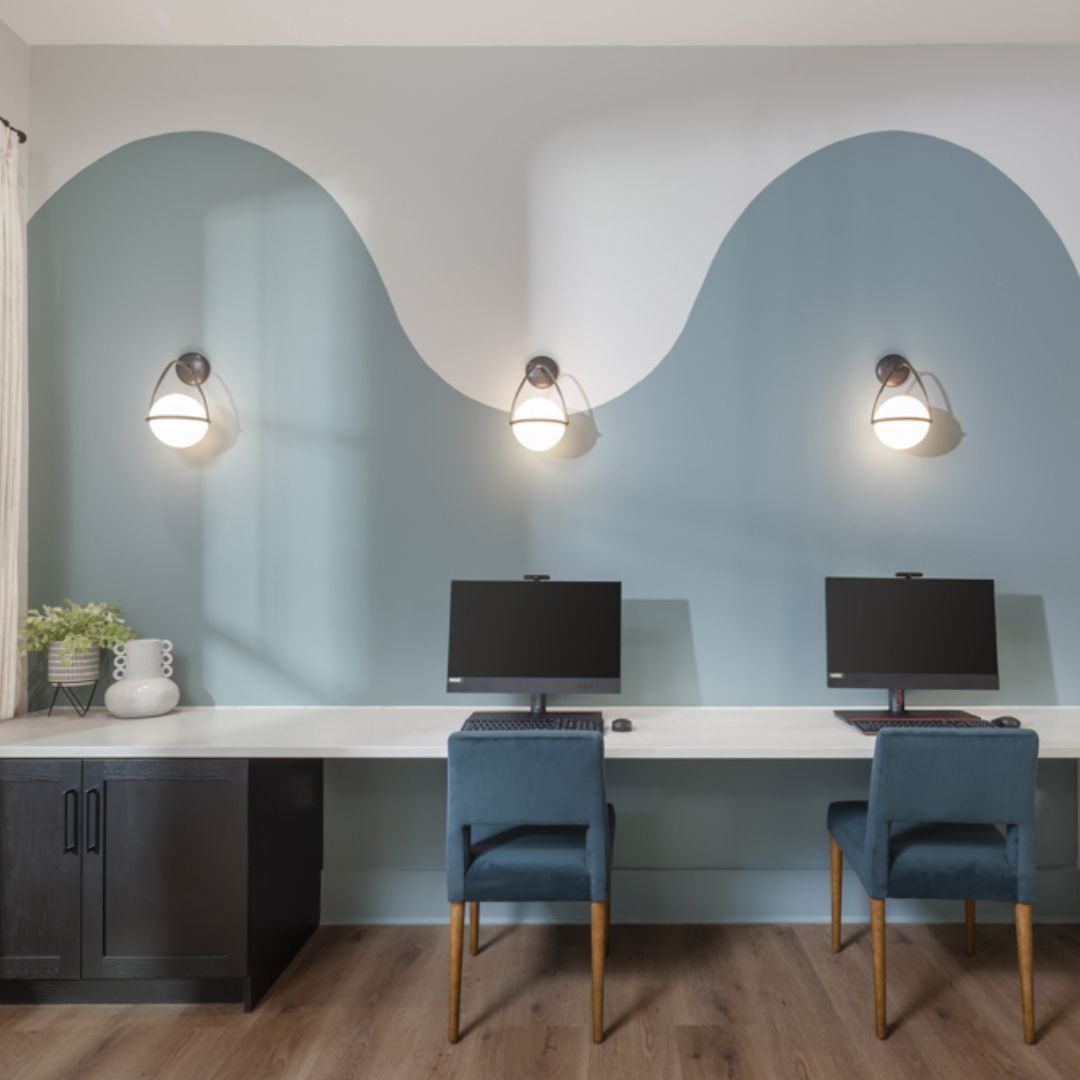
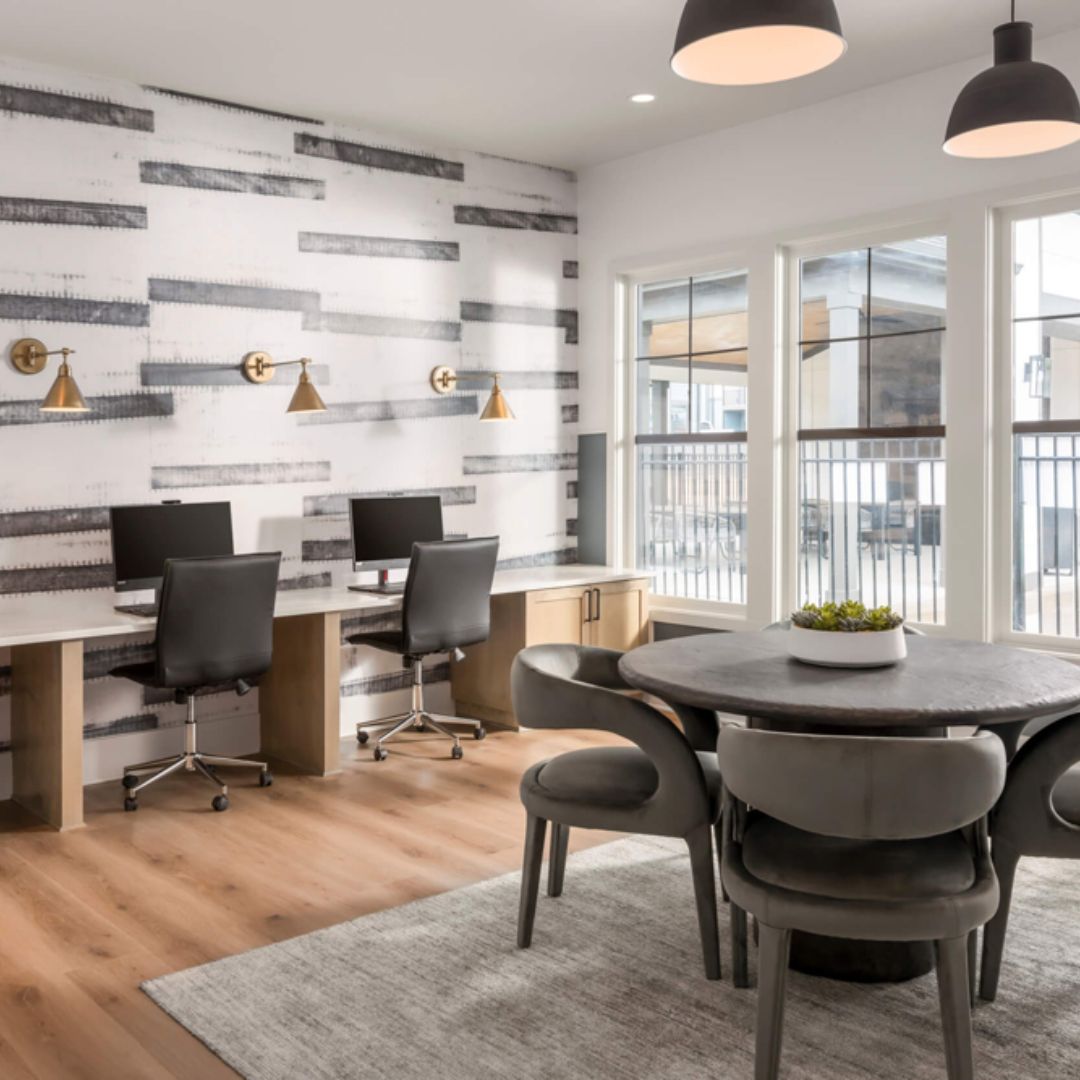
If residents repeatedly mention slow maintenance responses, investigate the process. If an expensive amenity receives little use, determine why. If people consistently request better work-from-home areas, consider whether an underused portion of the clubhouse could serve that purpose.
This approach also helps owners make smarter capital decisions. Resident feedback can help distinguish between improvements that solve real problems and upgrades that simply follow an industry trend.
A Great Resident Experience Doesn’t Have to be a Great Expense
Improving resident experience doesn’t always require a major renovation or a bigger amenity package. In many cases, it’s a matter of making the property work better for the people who already live there.
Communicate clearly. Maintain the property proactively. Create spaces around real behavior. Make everyday routines more convenient. Give residents opportunities to connect, then listen when they tell you what could be better. Those choices may seem small individually, but together, they influence whether a property simply provides apartments or creates a community where residents genuinely want to stay.