The Gist: This article from Emily Hiott provides a comprehensive guide to student housing renovations by detailing ten essential features that balance durability, functionality, and modern aesthetics to attract students and improve property value and occupancy rates.
What you’ll learn
You will gain insights into crucial design and renovation strategies that can transform student housing into appealing living spaces, focusing on study areas, durable materials, modern kitchens, technology integration, and branding.
After reading, you’ll be ready to
Implement strategic renovations in student housing that prioritize durability, efficient use of space, and appeal to student needs, enhancing tenant satisfaction and property profitability with well-designed communal, private, and outdoor spaces.
Talking points
The article outlines ten renovation essentials for student housing, emphasizing the importance of study spaces, durable finishes, modern amenities, privacy features, advanced technology, and cohesive branding to create a desirable and functional environment.
We have renovated student housing properties across the country, from D1 schools to smaller communities. While each project boasts unique elements, they each share a common thread: Student housing renovations must balance durability, functionality, and trend-conscious appeal to remain competitive.
Thoughtful updates attract students and boost retention, occupancy rates, and ROI for property managers. To achieve all of the above, prioritize these 10 elements in your next student housing renovation
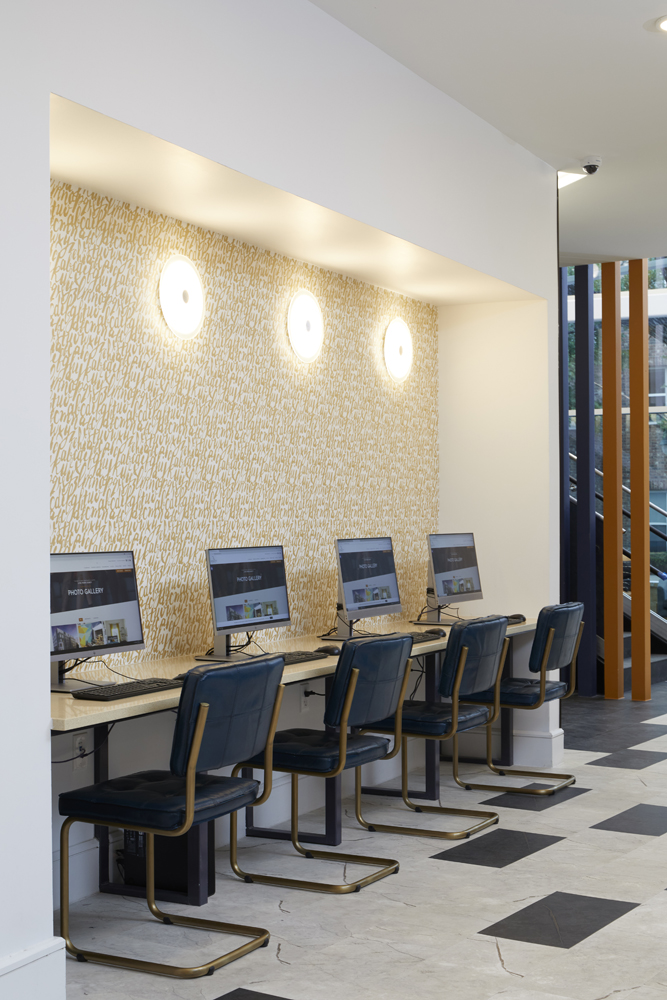
1. Communal Study and Collaboration Spaces
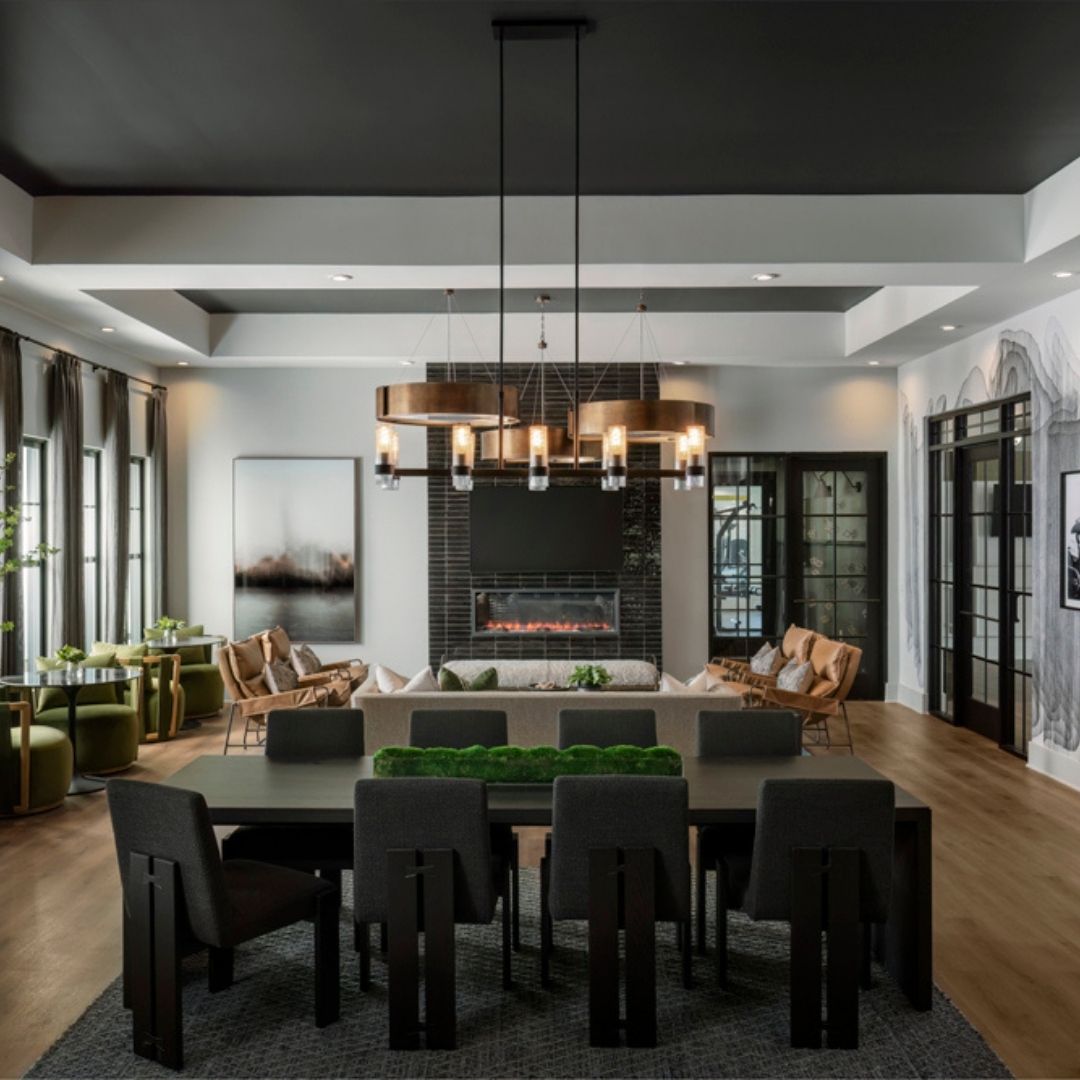
There’s a growing demand for co-working style study areas. These spaces function as quiet zones for individuals or collaborative spaces for group meetings and include things like:
- Meeting tables
- Modular furniture
- Lots of power and USB outlets
- High-speed Wi-Fi
- Smart boards
- Printer stations
These spaces should allow for flexible layouts, ensuring students can choose whether to study solo or with others.

2. Durable & Low-Maintenance Flooring
Student housing facilities are high-traffic areas. They see residents moving in and out every few months, not to mention a steady stream of daily visitors.
These spaces require flooring materials that can withstand the demand, such as LVT or sealed concrete. Easy-to-clean surfaces keep maintenance costs low and meet long-term wear needs. These materials also come in a wide range of finishes, including trendy looks that help to modernize your housing facility.
3. Modern, Functional Kitchens
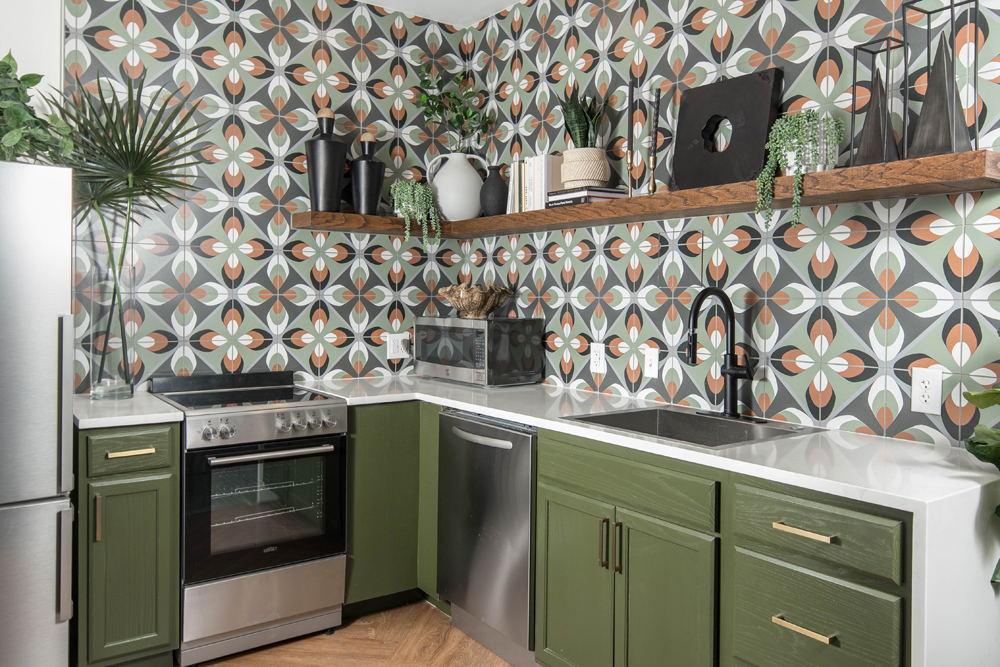
Healthy meals within arm’s reach contribute to student well-being. A thoughtfully designed kitchen gives students a space to store, prep, cook, and experiment.
Student kitchens should prioritize space-saving designs, with lots of storage that will help maximize counter space. Energy-efficient appliances appeal to students on a budget who want to keep their power bills as low as possible.
Since kitchens tend to be used multiple times per day, aim for durable materials. Quartz and solid-surface counters resist stains and chips. Laminate or composite wood cabinets are less expensive than solid wood and last for years. Stainless steel faucets, sinks, and other fixtures are timeless and can withstand repeated use.
4. High-Durability Furniture & Fixtures
Multi-functional furniture helps you optimize smaller spaces. Think lofted beds with storage underneath, foldable desks, or footstools with hollow storage under the lid, for example. You don’t have to sacrifice space for size; creative solutions give you the best of both worlds.
When choosing furniture and fixtures, choose solutions that have commercial-grade fabrics. These are made to withstand spills, stains, and heavy use.
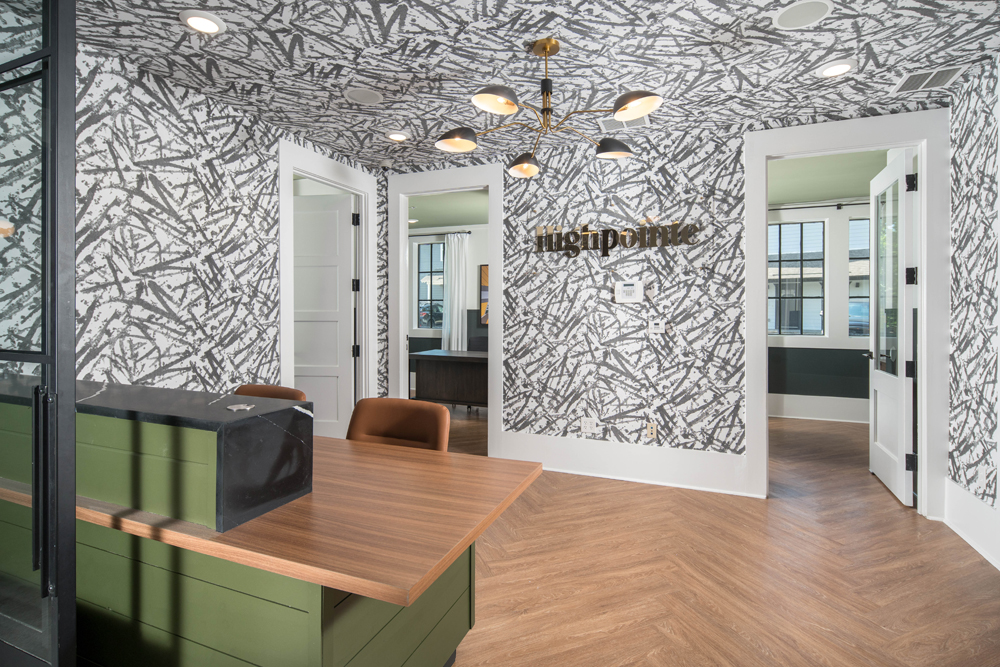
Consistent design elements across all of your student units create a branded, cohesive look. Students traveling between rooms will get a big-picture glimpse of your property, and they expect their unit to be just as stylish and well-appointed as their peers’ units. If not, they may question the value and quality of the experience they’re paying for, which could erode trust and affect their decision to sign a new lease.

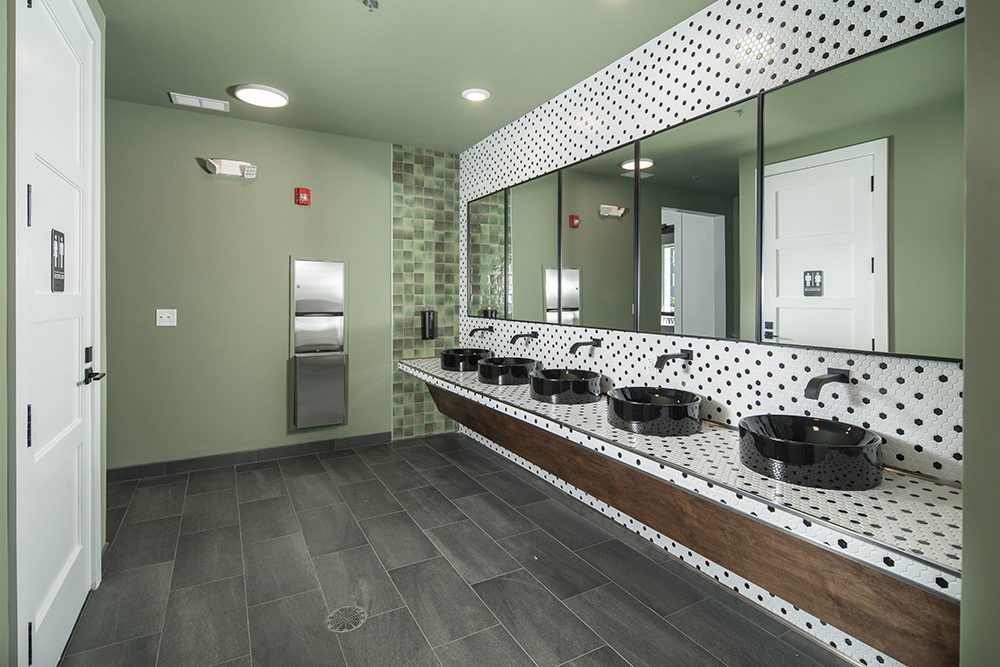
5. Private & Semi-Private Bathroom Upgrades
Student housing has come a long way from dorm hallways sharing one locker room-style bathroom. Private and semi-private bathrooms are now the norm, and a few key upgrades here can make these spaces feel functional and even a little luxurious.
Focus on high-traffic solutions like water-resistant materials and antimicrobial surfaces. These help to keep mold at bay, require less cleaning, and withstand years of use. Plus, they may help to reduce maintenance calls.
Include better lighting and storage to enhance the experience. Students sharing bathroom spaces need places to store their things so they won’t be disturbed or get in the way of others. Think things like bathroom storage closets with shelves for towels and toiletries or sinks with under-vanity storage.
6. Enhanced Lighting Solutions
Lighting plays a role in energy levels, focus, and even emotions. Student housing requires good lighting to enhance the student experience and overall well-being.
Different areas call for different types of lighting:
- Energy-efficient LED for warm, inviting tones.
- Layered lighting for function and ambiance (such as task lighting for desks, under-cabinet kitchen lighting, communal lounge mood lighting).
- Motion-sensor or smart lighting systems for common areas to reduce costs.
Lighting can also play into first impressions, moods, and the illusion of larger spaces.

7. Technology Integration Throughout
Students have high expectations for convenience and tech-forward solutions. We’re seeing an increasing demand for features like:
- Smart locks for security and convenience
- Built-in USB charging stations and plentiful outlets
- High-speed, building-wide Wi-Fi infrastructure upgrades
These elements can help renovated properties stand out from legacy student housing.
8. Outdoor & Amenity Spaces
The student experience is one of community and connection, and your housing should support this effortlessly. Adding social gathering areas like fire pits, BBQ grills, shaded seating, and outdoor study lounges naturally invite tenants in.
Complement the design with durable, low-maintenance landscaping. Adding green space enhances student wellness and strengthens their connection with nature, a critical element in a world surrounded by screens.

9. Storage Solutions
College students are often short on space but big on material needs. Their living spaces require in-unit storage that maximizes space for belongings, sports equipment, and seasonal gear.
Also, think outside the unit, like secure package lockers for the growing volume of online deliveries or bike storage if outdoor racks aren’t feasible.
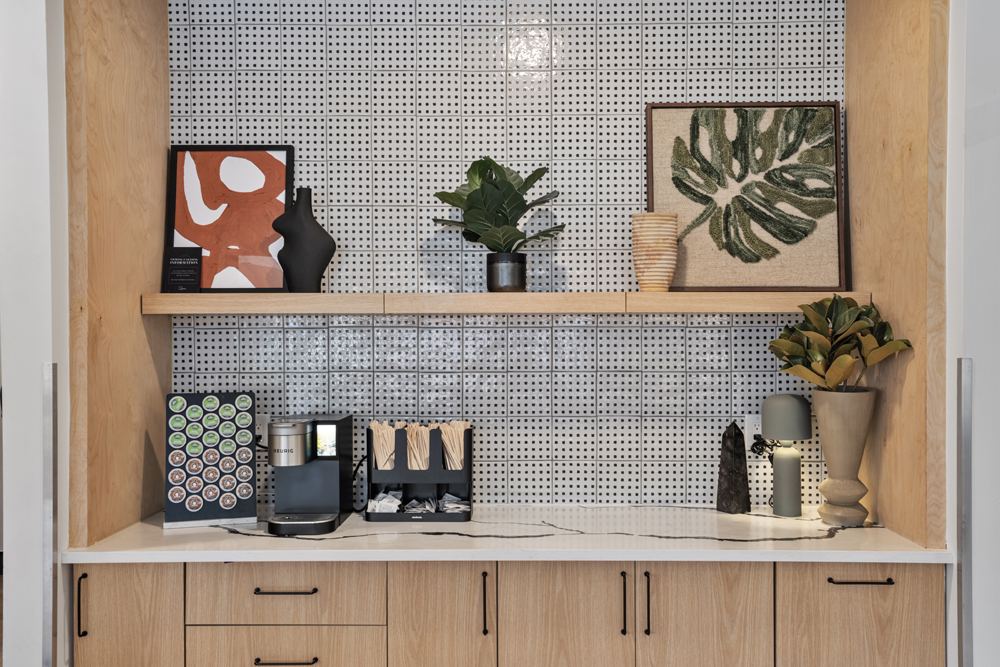
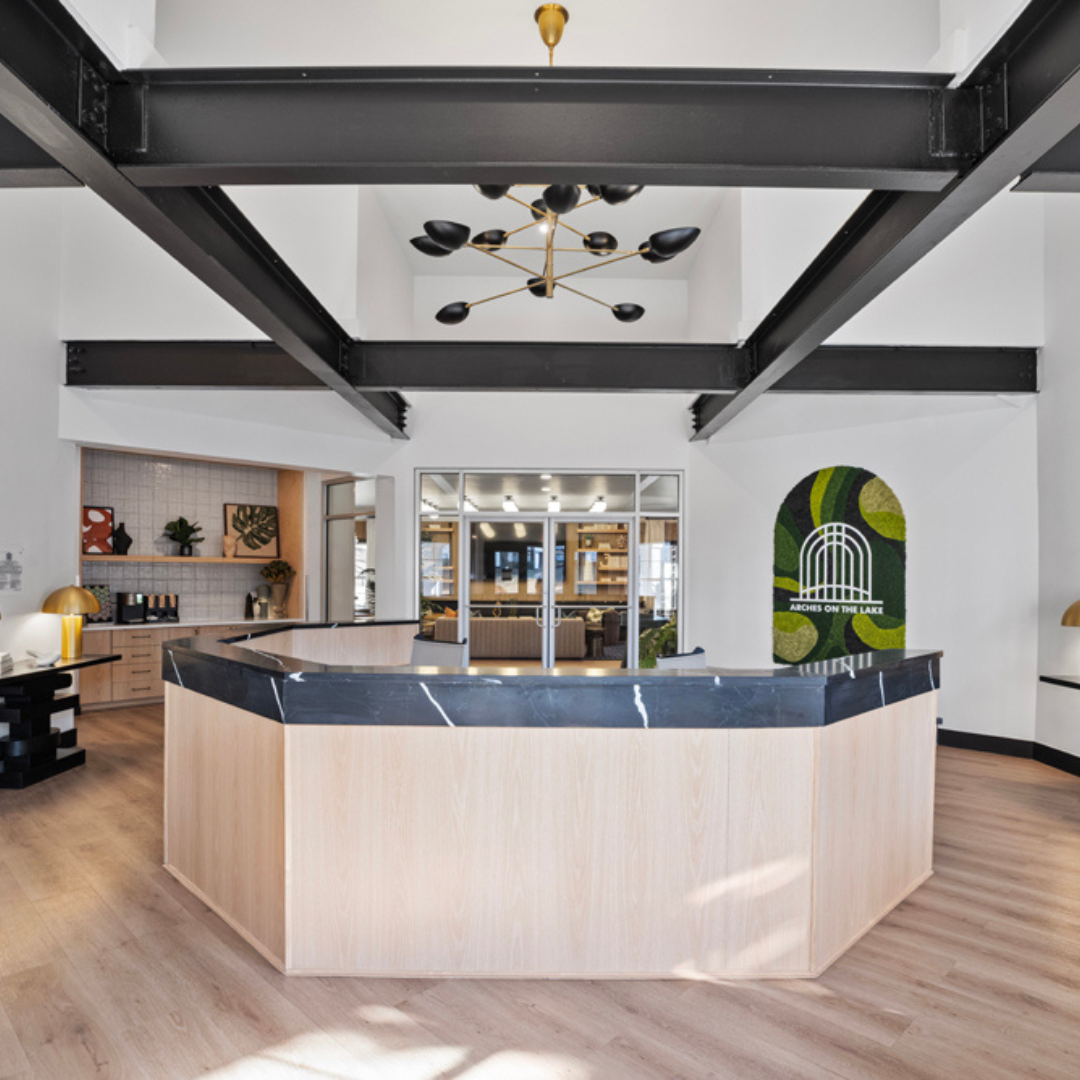
10. Branding & Aesthetic Refresh
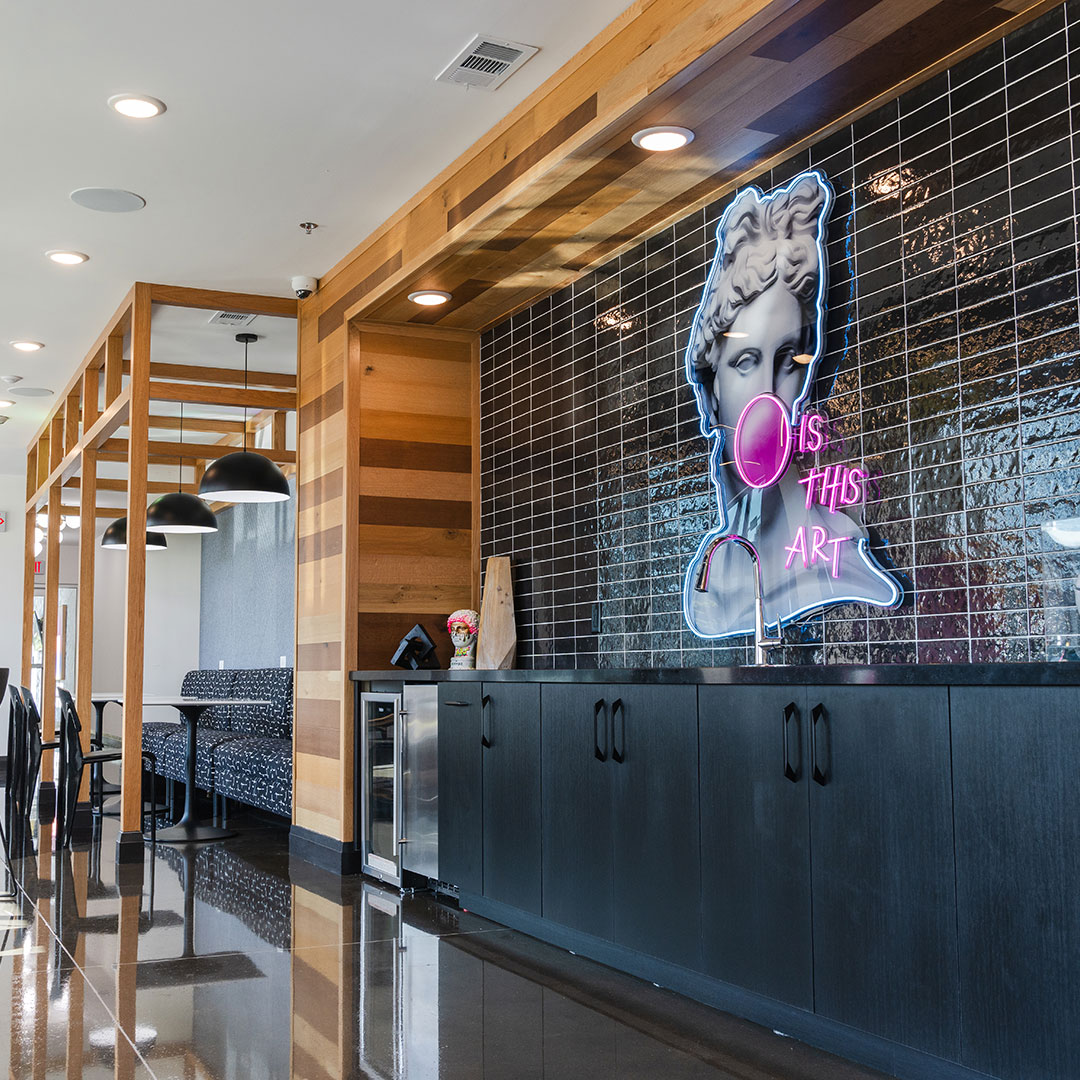
Attracting student tenants means creating a space that immediately piques their interest and shows you’ve designed something just for them. No generic apartment block will do; it needs to feel connected to their school, even if it’s privately owned.
You can achieve this brand connection with:
- Color palettes, wall graphics, and finishes that appeal to Gen Z tastes
- University or local culture subtly incorporated into the design for a sense of belonging
- Sustainable and eco-friendly materials to appeal to environmentally-conscious students
Create a Student Housing Environment That Students Are Proud to Call Home
Strategic, student-focused renovations can increase your lease rate, reduce turnover, and strengthen your property’s overall reputation. These 10 areas show the highest potential, based on our experience with student housing renovations.
To learn how to apply these areas in your next student housing project, consult with SPI for a custom renovation plan.