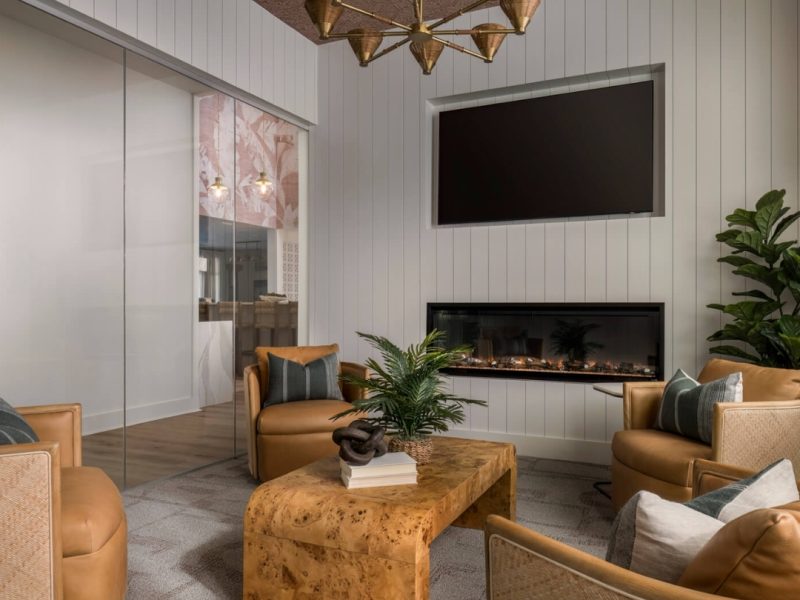
It’s been more than five years since the COVID-19 pandemic upended college life, and the effects on student housing linger. While campuses have largely returned to business as usual, many changes in how students live and choose housing are here to stay.
Architectural design has evolved to meet these new student expectations. As with any market, tenant needs and preferences change with the times. While the Covid era was no different, it accelerated the pace and made it difficult for designers to keep up. Now that the dust has settled, we’re able to see the trends that are more than just passing fads.
Here’s where designers should be investing when creating student housing.
The Rise of Privacy and Personal Space
The pandemic’s six-foot social distancing recommendation hasn’t quite worn off. During the height of the pandemic, students often isolated themselves. Priorities shifted from communal living to semi-private spaces. This shift allows students to choose when to isolate and when to be social.
These preferences remain. Designers can cater to them by:
- Increasing private bedrooms and bathrooms in suite-style housing
- Including noise-reducing or soundproofing features
- Creating multi-purpose personal comfort zones
Designing layouts that balance community access with solitude caters to students’ needs now and well into the future.

Health, Hygiene, and Air Quality Design Priorities
Since the COVID virus infected others through airborne transmission, things like air quality and ventilation become top of mind. Students and their families grew concerned about touching things like bathroom fixtures and gave extra thought to air purification.
Designers can address these concerns by using materials that are antimicrobial (think silver, zinc, copper alloys, etc.) or easy to sanitize. Including more handwashing stations and touchless entry points in shared facilities can also reduce the spread of germs.
Since the pandemic, student housing has taken cues from the WELL Building Standard, shifting from “just livable” to truly healthy spaces. Touch-safe materials, wellness amenities, and mental-health-friendly design choices are turning modern student housing into places where students can actually thrive, not just crash between classes.

Flexible, Multi-Functional Common Areas
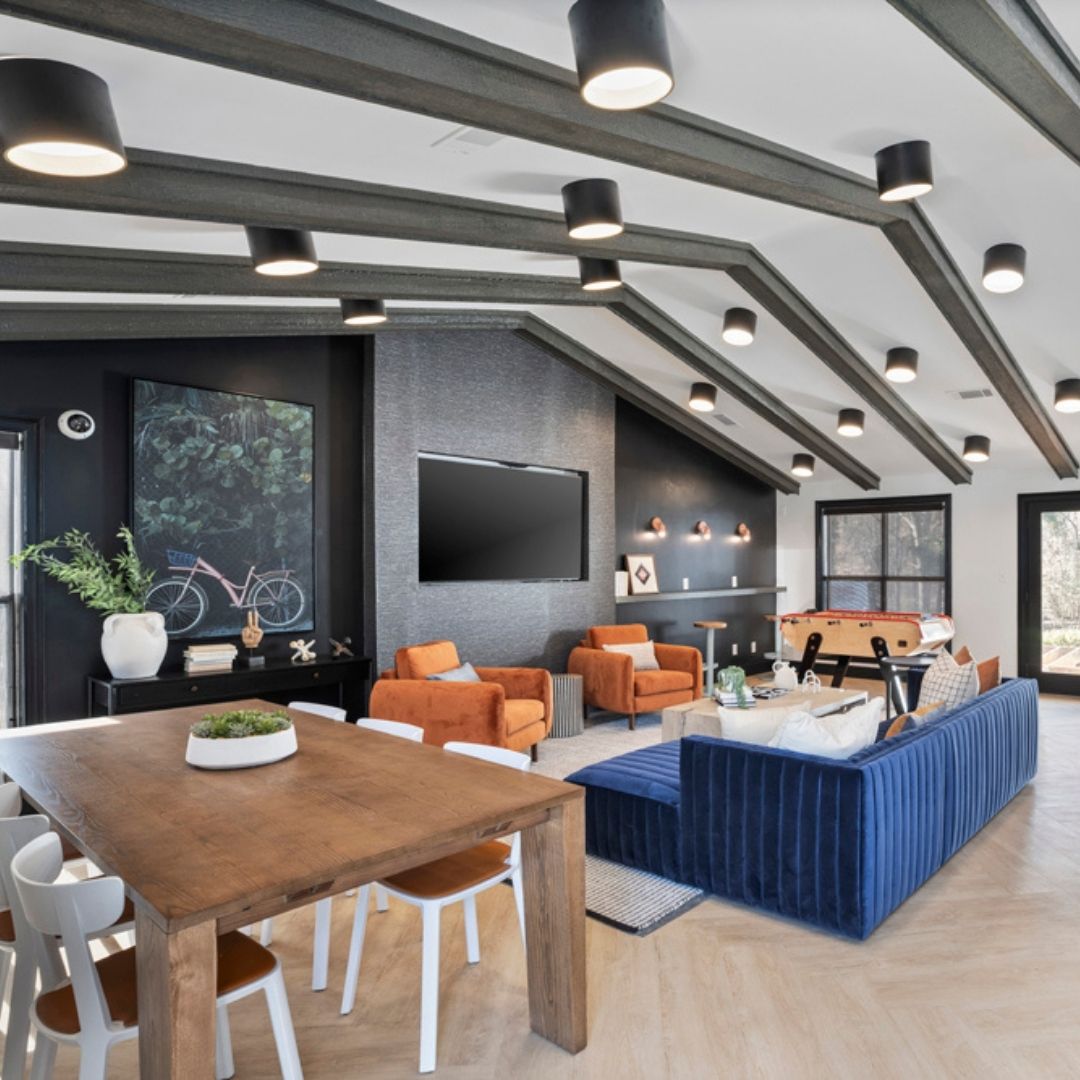
At a time when students weren’t going out as often, they expected their living spaces to transform into the things they were missing out on in the outside world. To do this, we’ve seen a shift from traditional lounges in student housing to multi-purpose spaces. These areas support studying, socialization, and wellness.
This trend continues, with designers incorporating modular furniture, partitions, and movable walls, and the integration of outdoor or semi-outdoor spaces for fresh-air gatherings. For example, indoor/outdoor hybrid study pods or “micro commons” allow students to reconnect with nature without leaving their safe space.
Tech-Enabled Living and Learning
Remote and hybrid learning weren’t new inventions during the pandemic, but the reliance on these methods increased dramatically. For many students, these shifts became permanent.
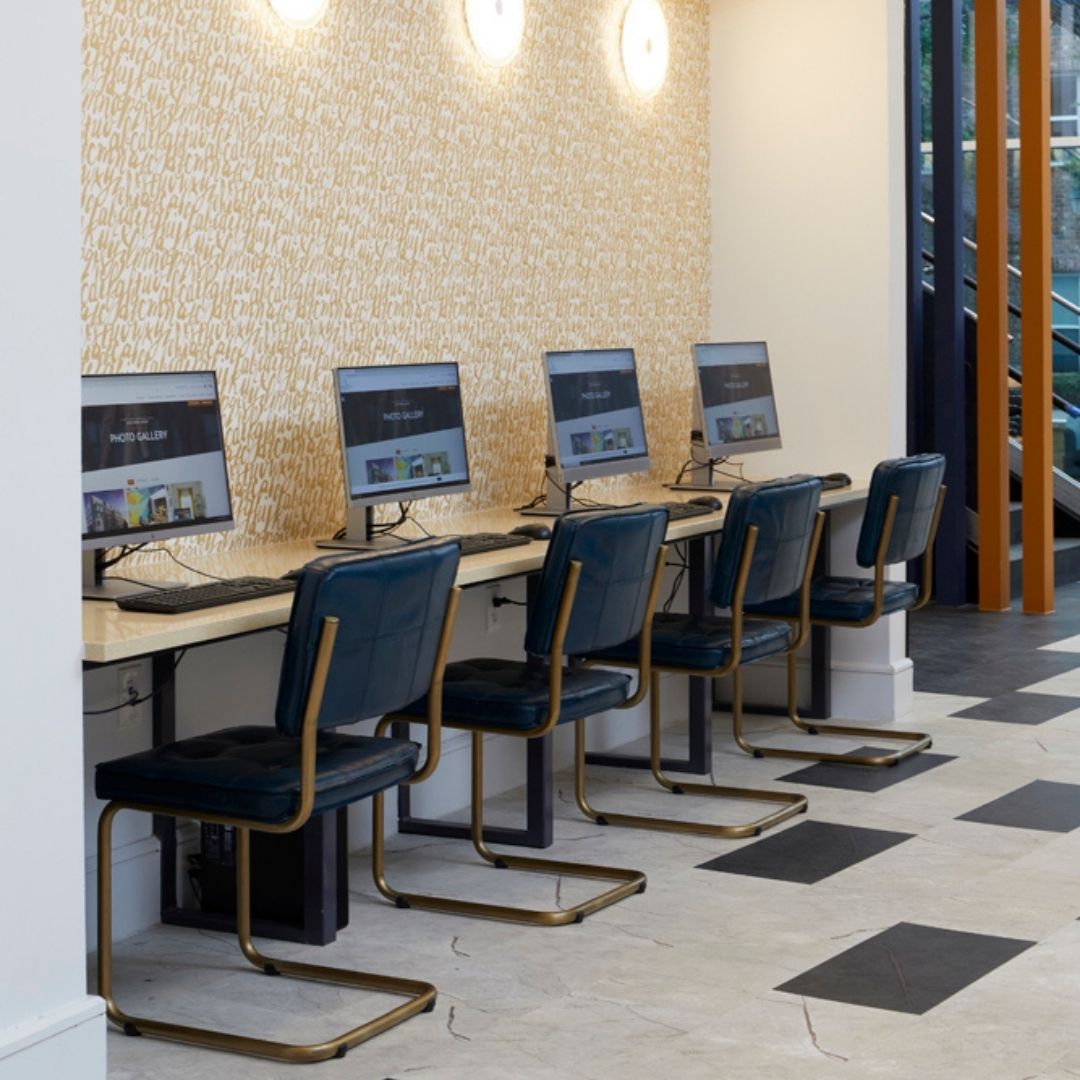
Since more students are learning on their own time around their own schedule, designers responded with built-in study nooks, strong Wi-Fi, soundproof pods for video calls and e-learning, and more power outlets in more places.
We’ve also seen a rise in smart building systems: climate, lighting, and security have all gotten upgrades to accommodate the “learn anywhere” lifestyle.
Wellness and Mental Health by Design
Recognizing the impact of mental health and wellness isn’t confined to doctors’ offices and psychiatry sofas. It affects all aspects of everyday life, and that extends to architecture and interior planning.
Designers must understand how spaces can help (or hinder) mental well-being. This is especially important in student housing settings, where residents are experiencing a unique stage of life and will benefit from the silent support of sound design.
To improve wellness and mental health by design, student housing is incorporating elements like:
- Natural light
- Biophilic design
- Social spaces
- Quiet zones
- Meditation spaces
- Small group wellness rooms
In essence, housing that blurs boundaries between living, learning, and self-care can have the greatest positive impact on mental health.
Sustainable and Community-Driven Futures
Health is holistic, which is why sustainability and social connection have become co-priorities post-pandemic. People are thinking more about what they feed themselves, the products they use, and the environmental impact their choices leave behind.
With sustainability being an overarching theme in everyday life, designers are putting more emphasis on locally sourced, sustainable materials. These extend to energy-efficient fixtures and systems, underscoring the property’s commitment to healthy, sustainable living in all aspects.
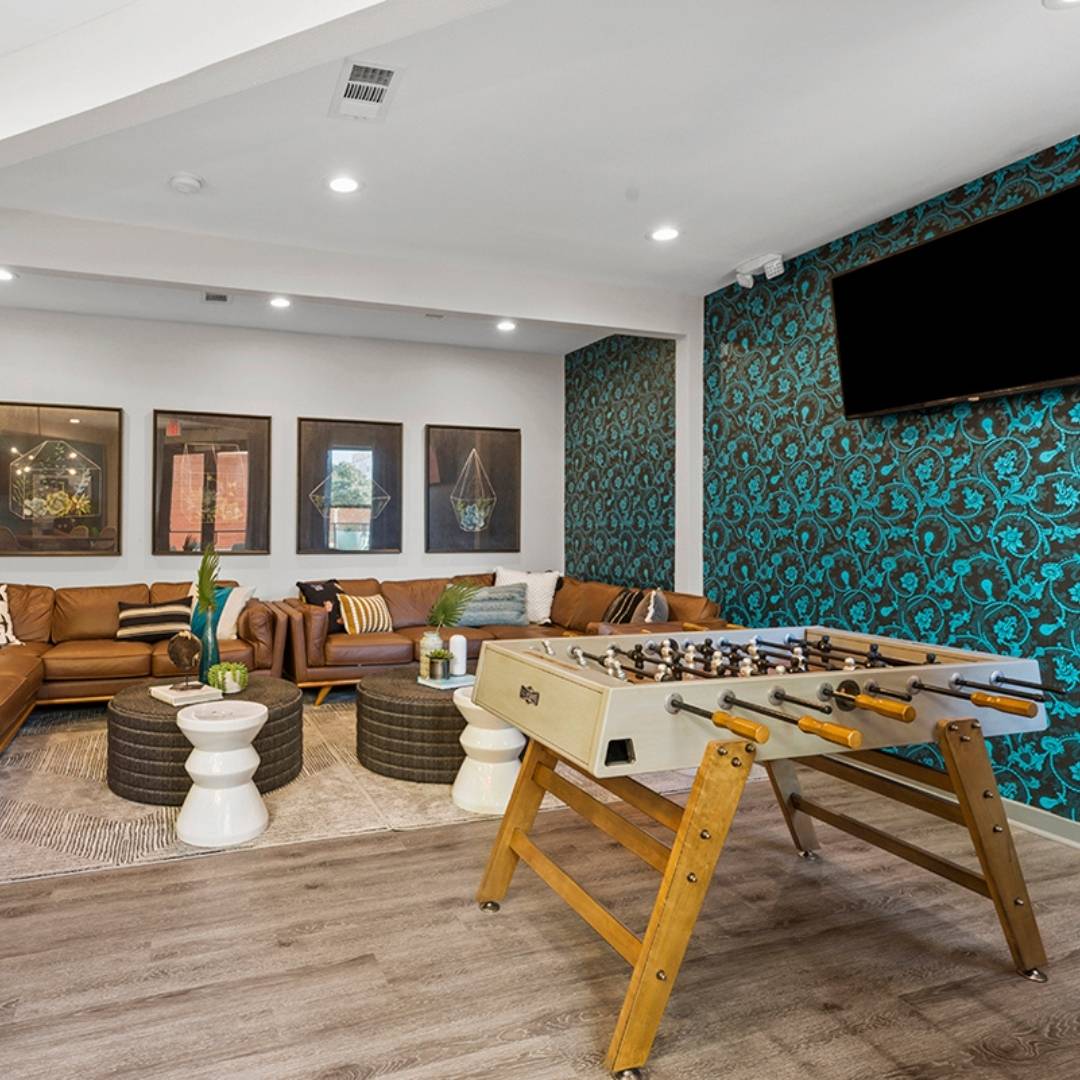
There’s also been renewed attention to community identity. After months (or years) spent social distancing and isolating during the pandemic, students are eager to build community. In student housing, examples could be shared outdoor areas and spaces for small-scale events.
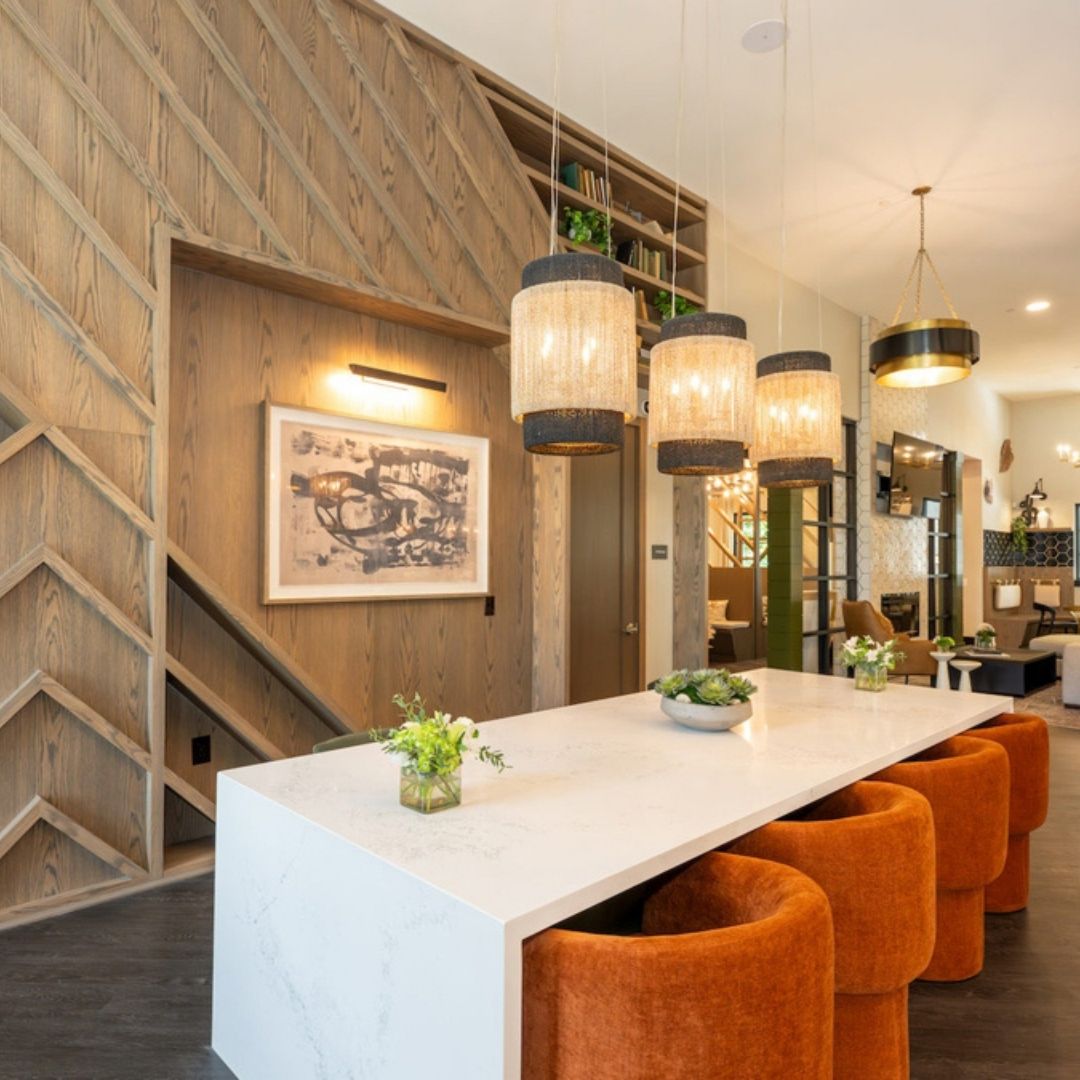
Creating a Space for Students in a Post-Pandemic World
Combined, the above design principles promote resilience for future disruptions. They address the needs and wants of students today while learning from the past and setting communities up for success should another pandemic occur.
It’s clear that COVID-19 permanently reshaped expectations for comfort, health, and flexibility in student housing. Identifying differences in preferences over time is part of the design process, but the pandemic accelerated these changes and gave designers multiple considerations at once.
To continue to win in the student housing space, interior architectural design firms must anticipate these lasting trends in every new project. Doing so allows them to create living environments that meet today’s demand for health and comfort while adapting seamlessly to the evolving expectations of future students.