The Gist: This article explains how to design model units for multifamily and student housing that attract tenants, focusing on fullness, timelessness, and thoughtful accents.
What you’ll learn
Why a model unit should feel full but uncluttered, how to balance modern and timeless design elements, and why small accents and details are critical to making a space feel welcoming and livable.
After reading, you’ll be ready to
Stage or redesign model units that help prospective tenants visualize living there, highlight key furniture and décor choices, and create an inviting environment that increases signed leases.
Talking points
Full but not crowded: choose appropriately sized, low-profile furniture to make spaces feel complete without obstructing movement, Modern but timeless: use neutral palettes and classic furniture while adding subtle trendy accents for a long-lasting appeal, Accents and details: decorative items like art, throw pillows, towels, rugs, and small furnishings turn a unit into a home-like, welcoming space; together these strategies help convert tours into signed leases.
Three things that will make the biggest impact on first impressions.
Good model unit design is a must for multifamily properties. Your model is the first thing prospective tenants see and should help them visualize what it’s like to live there. Better units equal more leases signed.
Let’s break down the most important elements of a well-designed model that turns tours into signed leases.
How to Design and Stage a Model Unit
SouthPark Interiors has designed and staged hundreds of model units over 20 years in student and multi-family design. Through this time, we’ve tested a myriad of different elements to learn what makes the most impact on tenants so you’ll know where to invest in your model units.
Here are the three biggest areas of focus, why they’re important, and how to design them effectively.
1. Full but not crowded
Why it’s important
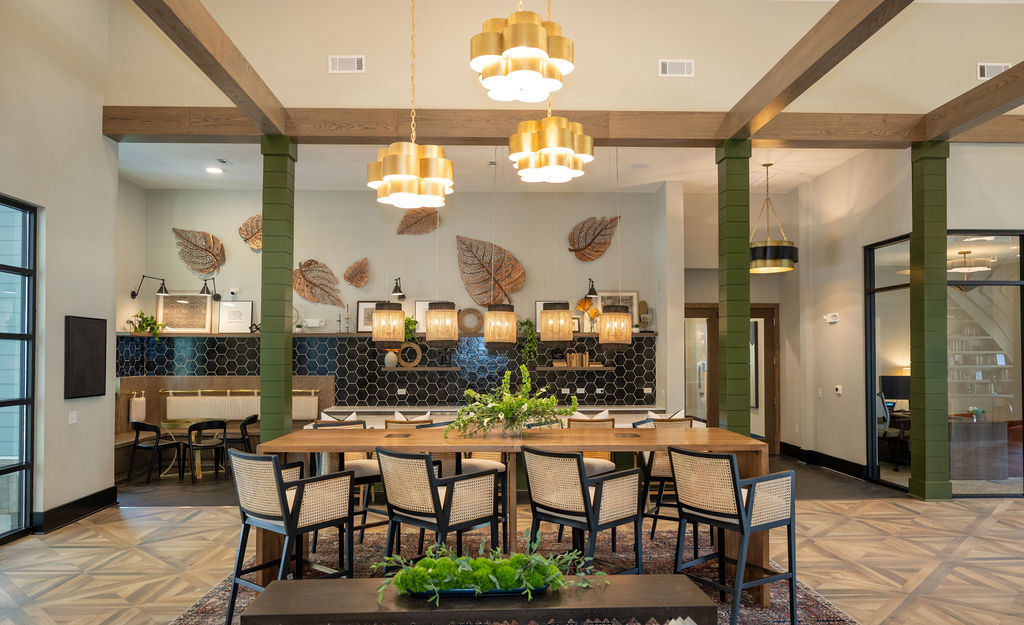
You want your designs to have a feeling of fullness. This gives those touring the model a sense that it’s a complete home. It also shows them how much they can realistically put in the space when they move in.
That said, you don’t want to overcrowd the space. Guests should be able to easily walk through rooms without turning their bodies to avoid obstacles, or worse, bump into things along the way. This is a fine line to tread, especially in smaller spaces.
How to accomplish this
Stick to low-profile furniture with a size that matches the space. For example, if you have a small breakfast nook or dining space, choose a compact table with chairs or a bench that can be pulled out without bumping the walls or other things.
Remember, this model isn’t being lived in. Chances are, no one is actually sitting down to enjoy the couches or eating a meal at the dining table. These things should give the appearance of fullness, even if they’re not the most comfortable or practical.
Slimmer furniture and appropriately sized tables and other accents will help you strike the right balance between fullness and overcrowding.

2. Modern but timeless
Why it’s important
Forget about your property’s actual age. Your tenants expect new, modern furnishings and fixtures. Otherwise, properties feel dated and old (and even if they are, your tenants don’t want to know this).
You also don’t want to have to redesign models every year to keep up with new trends. Timeless, classic looks help you get the most from your model unit investment. Thoughtful designs keep working for you year after year, improving your ROI.
How to accomplish this
A little trendy is fine; overly trendy is not. Avoid any current trends on the main staples that are hard to swap out (think countertops, back splashes, finishes, etc.). Focal points like dining tables, couches, and large furniture should also reflect a timeless design style that will always have a place. This leaves accent furniture, linens, and accessories for bringing in a modern touch in the most efficient way.
Also, choose neutral color palettes. These versatile colors and textures will always work if you’d like to swap out accents in your model units. They also provide a blank canvas so your prospective tenants can more easily visualize themselves in one of your units without being distracted by bold color.

3. Accents and details above all else
Why it’s important
Accents and details shouldn’t be treated as afterthoughts; they should be a core part of the design process.
Decorative accents go the furthest in giving your models a welcoming feel. They may go unnoticed (or at least not specifically called out by your prospective tenants), but they are critical in making a model feel like home. They’re small on their own, yet big and powerful when combined with other details.
Accents make your model units look put together and livable. It shows you put some thought into how you want them to look to others, and that you haven’t taken shortcuts on quality or aesthetics. This alone sends a subtle message to tenants that you care about their experience and have worked hard to make your property a great place to live.
How to accomplish this
Thoughtful details go a long way in turning your model unit into a home-like space:
- Set decorative items like flowers, vases, or centerpieces on tables, counters, and dressers.
- Put place settings with placemats on the dining table.
- Hang art on the walls, such as framed paintings, or other decorative items like floating shelves with display items.
- Add throw pillows and blankets in the living room and bedrooms.
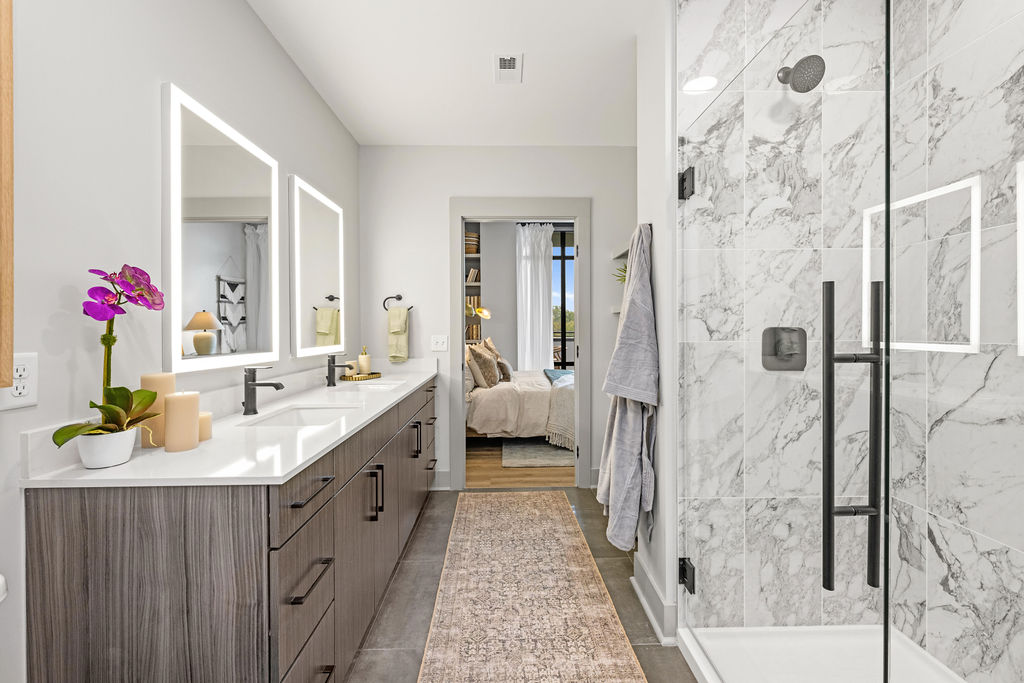
- Include towels and soap in the bathroom. If your bathroom has a tub, add a luxury bathtub tray for a spa-like feel.
- Place books on the shelves.
- Use accent rugs strategically, such as a runner in the hallway or a large area rug in the living room.
- Place family-style photos above fireplace mantles or on shelves or end tables.
- For pet-friendly places, add a food and water bowl near a balcony door or in the kitchen.
A good rule of thumb is this: If it’s in your home, it should be in your model unit.
Applying These Tips to Your Model Units
There are certainly more than three key elements to a well-designed model unit. But these are the most common themes we’ve seen work when it comes to getting more leases signed.
They also represent three design characteristics you can start implementing today.
If you are touring models and not getting leases signed, consider these impactful tips as you evaluate your current models and their designs. Mastering the art of the model unit will give you a strong foundation to build on.