The Gist: This article explains how the build-for-rent (BFR) model is reshaping multifamily development, what residents expect in these communities, and why developers should seriously consider this growing trend.
What you’ll learn
What a build-for-rent community is (single-family, duplex, row-home, or small‚ lot homes); what types of high-end finishes, amenities, and energy-efficient features residents demand; and how this model benefits developers through lower turnover and higher profitability.
After reading, you’ll be ready to
Evaluate whether a BFR development fits your multifamily strategy, pitch the concept to stakeholders, and work with designers to create a build-to-rent community that delivers strong tenant appeal and developer value.
Talking points
BFR homes are built for long-term rental, not ownership; they can take forms like single-family homes, duplexes, row homes, or smaller lots; tenants expect luxury finishes, upgraded fixtures, outdoor gathering spaces, energy-efficient appliances, and indoor amenities like clubhouses; developers benefit from reduced tenant churn, higher rents per-unit, and less competition; and choosing a knowledgeable interior design partner is critical to creating a compelling, high-quality BFR community.
Exploring BFR Concepts in Multifamily Design
Build-to-rent communities have emerged as a growing segment of the housing market, giving residents the space and privacy of a traditional home without the responsibilities of ownership. For developers, this housing model creates opportunities to serve renters whose needs aren’t always met by conventional apartment communities.
As the market evolves, build-to-rent interior design plays an increasingly important role in attracting residents and encouraging them to stay. Thoughtful floorplans, quality finishes, and inviting shared spaces can help distinguish one community from another. Understanding how build-to-rent works, what residents expect, and where design makes the greatest impact can help developers make more informed decisions about their next project.
What is a Build-to-Rent Community?
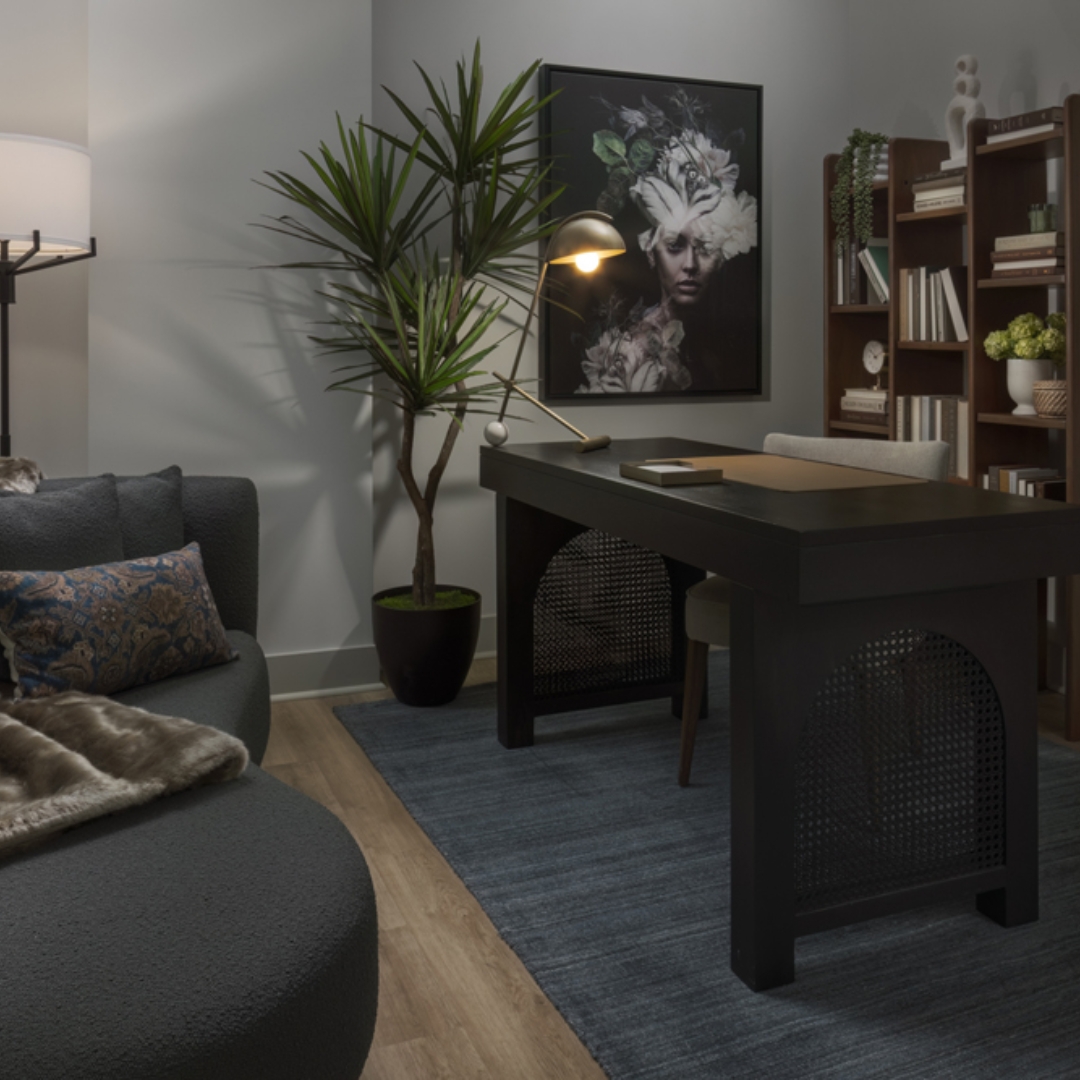
A build-to-rent (BFR) community is a residential development designed specifically for long-term rental rather than individual homeownership. You may also encounter the terms build-for-rent, BTR, or B2R. Although the terminology varies, each describes essentially the same housing concept. These properties are typically professionally managed and offer residents many of the advantages of living in a single-family home.
When comparing build-to-rent vs. multifamily housing, the biggest distinction is typically the property layout and residential experience. Traditional multifamily communities often feature apartment buildings with multiple units sharing hallways, entrances, and other interior spaces. A build-for-rent community generally consists of detached or attached homes with private entrances, more separation between neighbors, and sometimes individual yards or garages.
Both models can offer professional management and shared amenities. However, BFR communities tend to appeal to residents seeking a more traditional neighborhood experience without purchasing a home.
Types of Build-to-Rent Properties
Build-to-rent communities can take several forms depending on available land, development costs, and the preferences of prospective residents.
Single-Family Homes
Detached single-family homes offer residents greater privacy and separation from neighboring properties. These communities may resemble conventional suburban neighborhoods, with individual homes situated on separate lots.
Duplexes
Duplex properties contain two residential units within one structure. Each unit typically has its own entrance and living areas, providing a balance between residential privacy and efficient land use.
Row Homes
Row homes, sometimes called townhomes, feature individual residences connected by shared walls. Their compact layouts make them particularly suitable for developments where land availability is limited.
Small-Lot Homes
Small-lot developments feature detached homes on smaller parcels of land. This approach allows developers to provide many of the benefits of single-family living while accommodating more residences within a community.
Each property type presents different interior design considerations, particularly regarding storage, room proportions, natural light, and how residents move between indoor and outdoor spaces.
What Residents Expect from Build-to-Rent Interior Design
The appeal of BFR housing extends beyond having a private entrance or additional square footage. Residents often expect the interiors to feel comparable to homes they might otherwise purchase. That expectation has important implications for build-to-rent interior design, especially as developers look for ways to distinguish their properties in an increasingly competitive rental market.
Interior Finishes & Fixtures
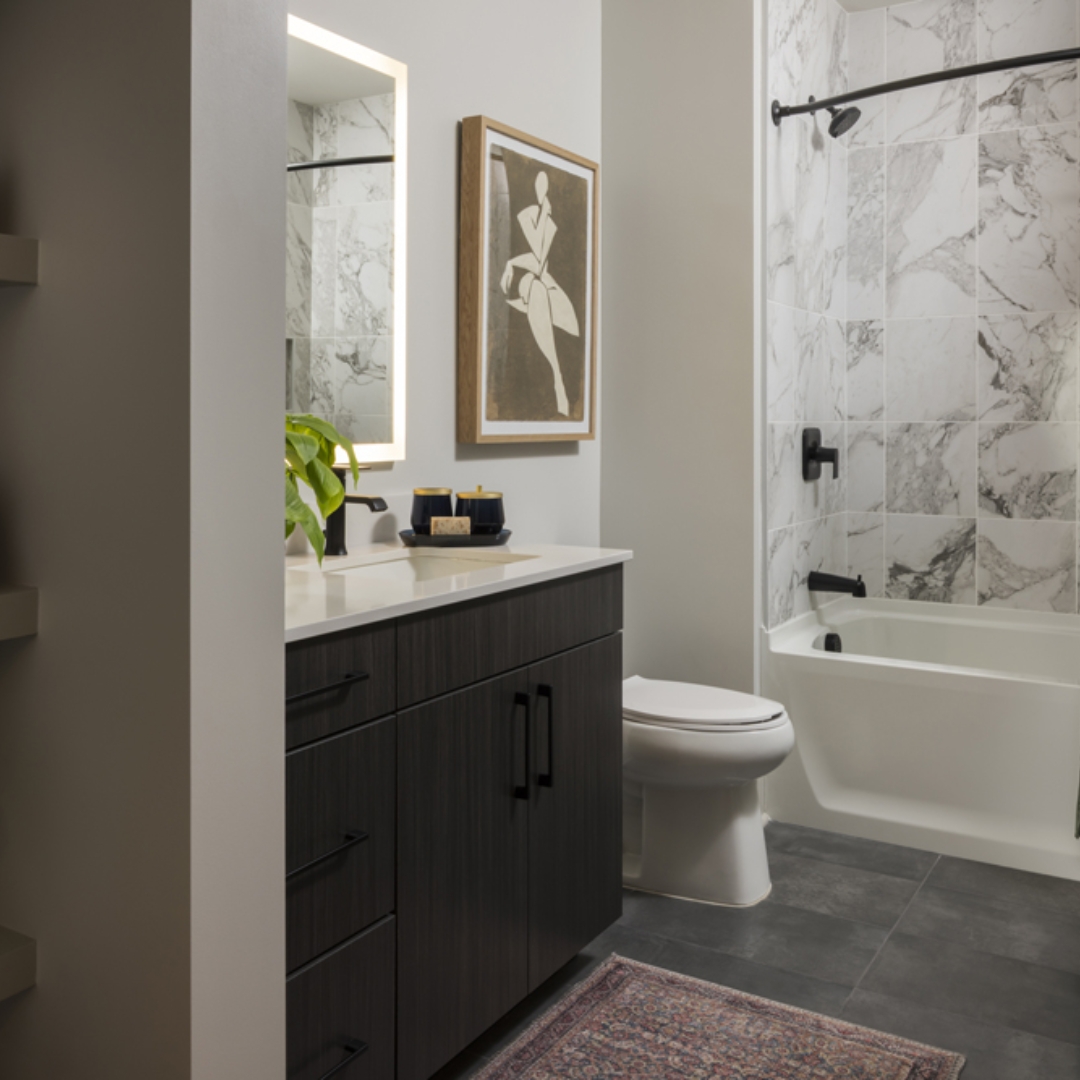
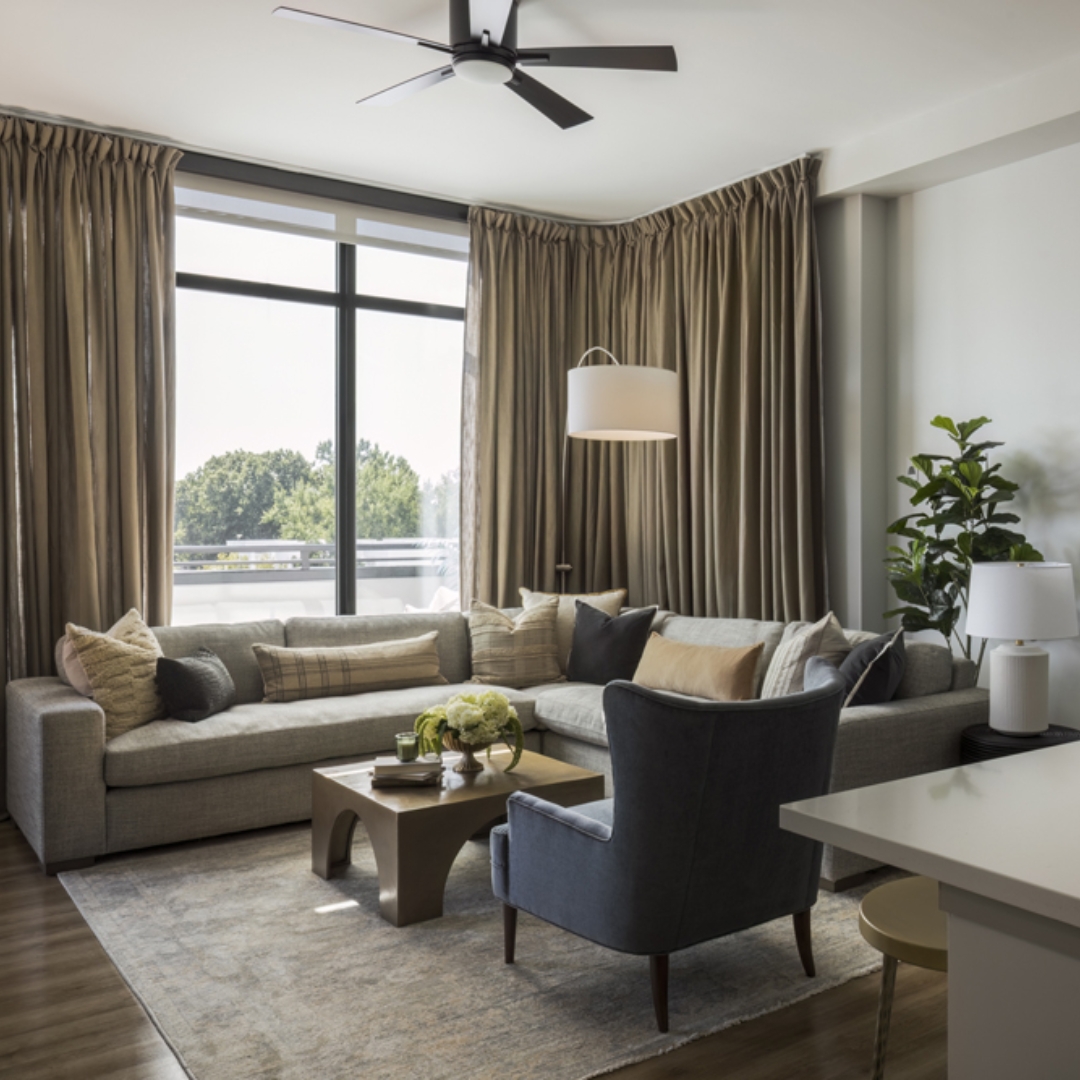
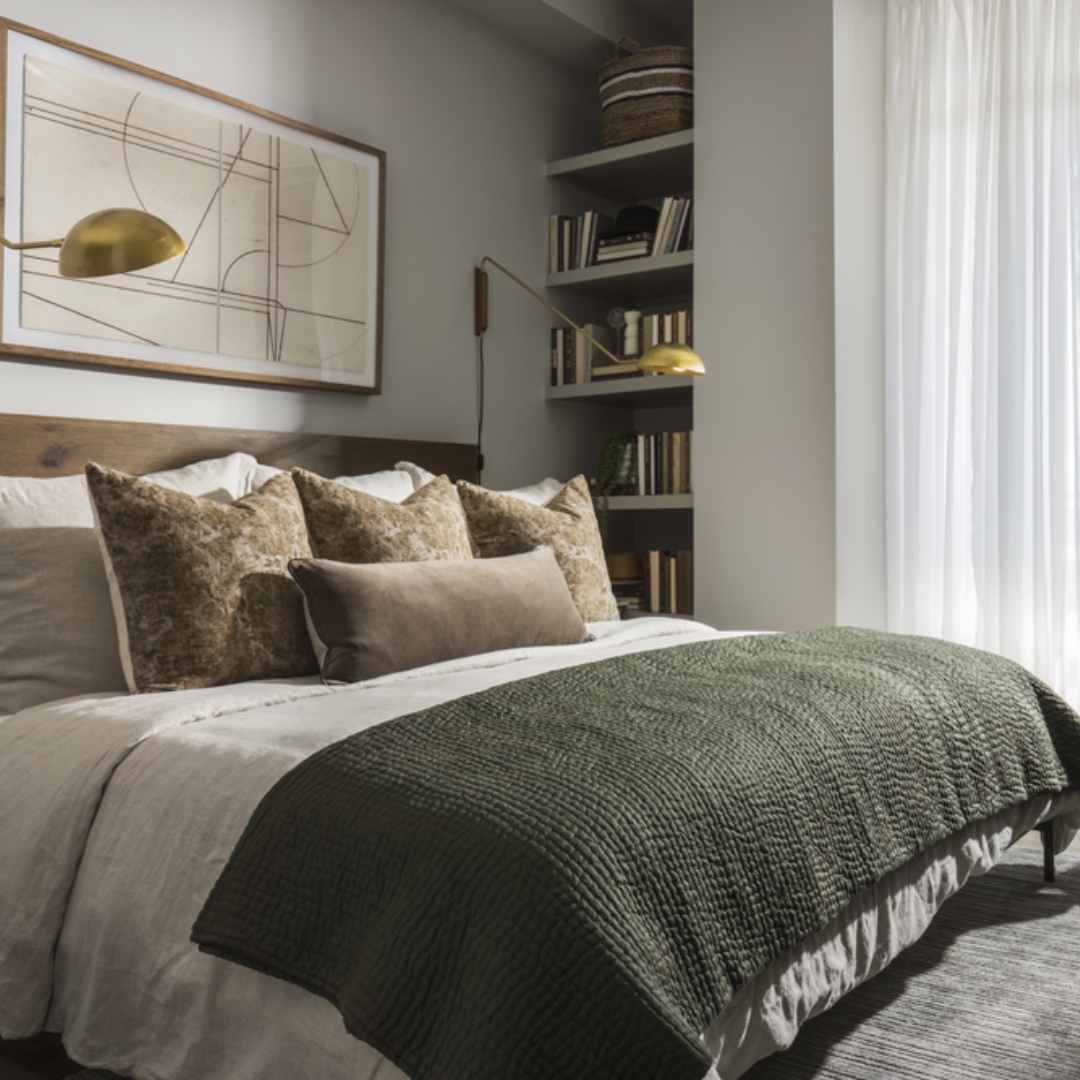
High-quality finishes help establish the residential character that many BFR renters seek. Durable luxury vinyl plank flooring, attractive cabinetry, upgraded countertops, and thoughtfully selected lighting can make a rental home feel more permanent and personalized. Kitchens and bathrooms deserve special attention because residents interact with these spaces every day. Practical storage, comfortable layouts, and well-coordinated fixtures can contribute significantly to the overall living experience. Spacious floorplans are another consideration: Open living areas, dedicated workspaces, and flexible rooms allow residents to adapt their homes as their needs change.
Energy-efficient appliances and lighting also contribute to the appeal of these properties. Beyond their potential to reduce utility consumption, modern appliances can reinforce the impression of a well-appointed home. For developers, selecting finishes requires balancing visual appeal with durability and maintenance requirements. Materials should withstand repeated use while maintaining their appearance over time. Thoughtful model unit design can help communicate these qualities to prospective residents, allowing them to envision how the home will function in everyday life.
Amenity & Common-Area Design
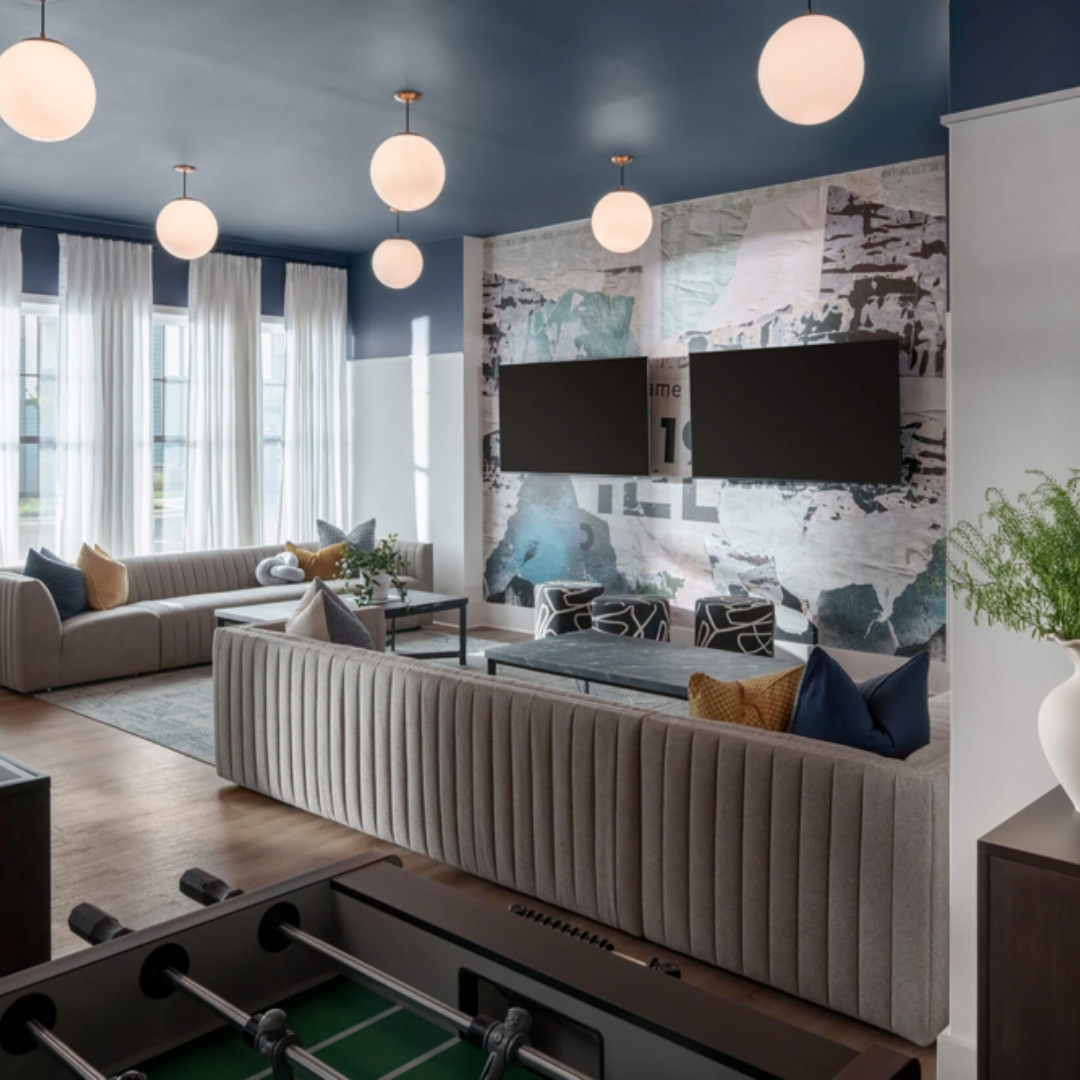
Although BFR residents enjoy more private living space, shared amenities remain an important part of the community experience. Clubhouses, fitness centers, and resident gathering areas offer opportunities for social interaction while providing conveniences typically associated with traditional multifamily properties. Successful amenity and clubhouse design considers how residents will actually use these spaces. Comfortable seating arrangements can encourage casual conversations, while flexible gathering areas can accommodate community events or remote work.
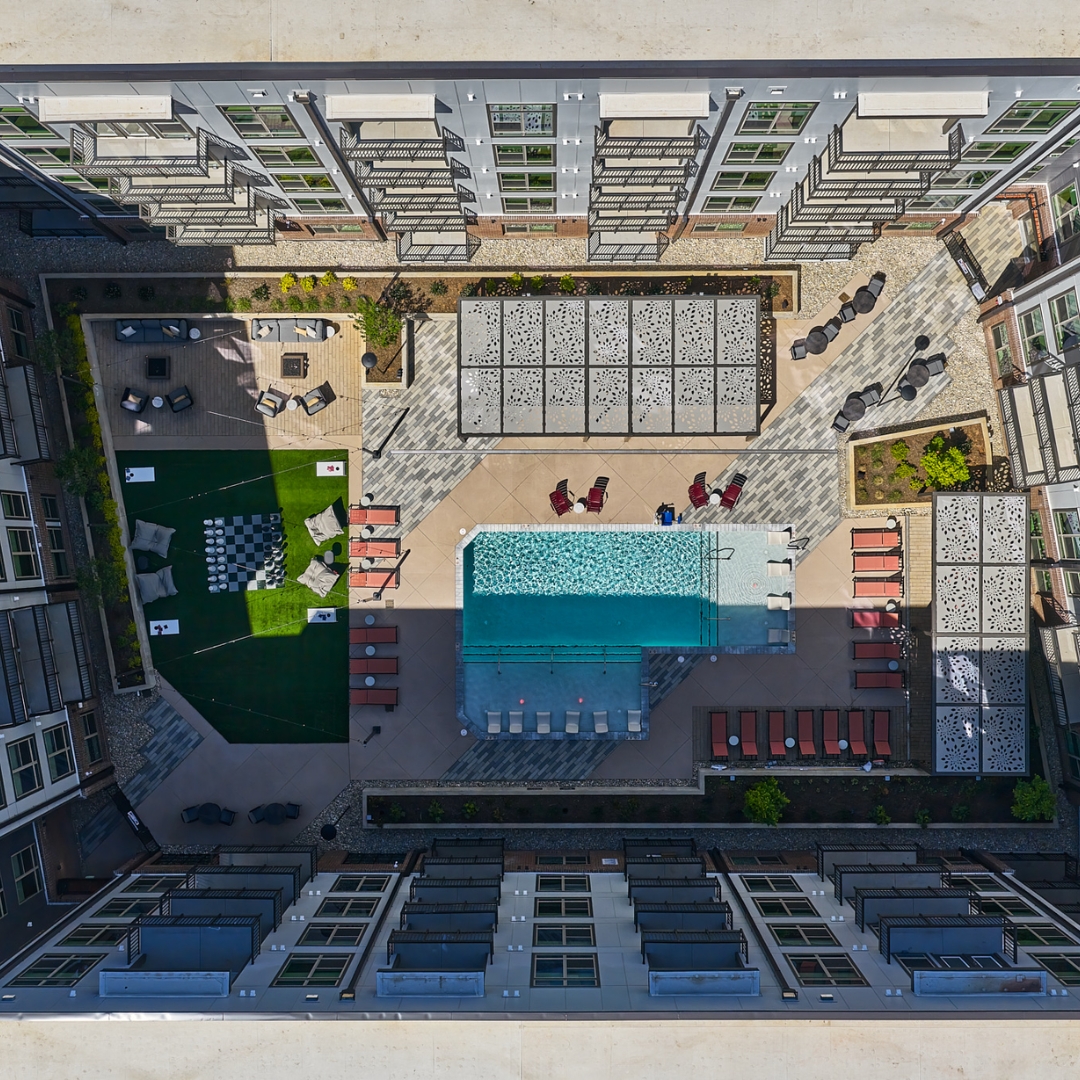
Outdoor amenities are equally important. Walking trails, landscaped gathering spaces, playgrounds, and dog parks can make a community more appealing to households with different lifestyles. The relationship between indoor and outdoor spaces also deserves consideration. Large windows, accessible patios, and thoughtful transitions between shared facilities and surrounding landscapes can create a more cohesive residential environment For developers, the goal is to create amenities that residents will continue using long after move-in day. Their value depends on how well they support daily routines and community connections.
Why Developers Should Consider Build-to-Rent
The BFR model offers several potential advantages for developers, particularly when the design responds to the needs of residents seeking long-term housing.
Reduced Resident Turnover
Residents who choose BFR properties may be looking for greater stability than a conventional apartment provides. Comfortable floorplans, quality materials, and useful amenities can help support resident satisfaction and encourage lease renewals.
Opportunities for Increased Profitability
Build-to-rent homes may command higher monthly rents than smaller apartment units because of their additional space, privacy, and residential features. However, profitability depends on construction costs, operating expenses, local demand, and occupancy. Design decisions can influence those financial outcomes. Durable finishes may reduce replacement costs, while functional layouts and appealing amenities can strengthen a property’s market position.
Differentiation from Traditional Rentals
BFR developments can offer an alternative for households that want more space without the financial commitment of homeownership. As additional build for rent developers enter the market, however, differentiation becomes increasingly important. Distinctive multifamily interiors and carefully planned amenities can help a community establish its identity. For a broader look at evolving residential preferences, explore multifamily and student housing design trends.

Frequently Asked Questions
What is Build-to-Rent Interior Design?
Build-to-rent interior design focuses on creating attractive, functional, and durable interiors for homes developed specifically as rental properties. It includes residential floorplans, finish selections, fixtures, furnishings, and shared community spaces. The goal is to provide a home-like living experience while accounting for the operational needs of rental properties.
How is a Build-for-Rent Community Different from an Apartment Complex?
A build-for-rent community typically features detached homes, duplexes, or townhomes with private entrances and more individual living space. Traditional apartment complexes generally contain multiple residences within larger buildings. Both may offer professional management and shared amenities, but BFR communities emphasize the experience of living in a neighborhood of individual homes.
What Amenities Do Build-to-Rent Residents Expect?
Common amenities include clubhouses, fitness centers, walking trails, dog parks, and outdoor gathering spaces. Inside individual homes, residents often value spacious kitchens, modern appliances, ample storage, upgraded finishes, and flexible living areas. The ideal combination depends on the community’s location and target residents.
Designing Build-to-Rent Communities for Long-Term Appeal
As build-to-rent becomes a more established part of the housing market, interior design will continue to influence how communities compete for residents. Developers who prioritize practical floorplans, lasting materials, and welcoming shared spaces can create properties that remain appealing well beyond their initial lease-up period.
If you’re looking for an interior design team to assist with your build-to-rent community, SouthPark Interiors is here to help. Connect with us today to learn more about our approach and how we can bring your BFR community to life!