Skip to content
  • Our Services
    • Interior Architecture
    • Procurement
    • Specialized Design Services
    • Custom Unit Furniture
  • Design Portfolio
    • Student Housing
    • Multi-Family Housing
southpark interiors logo homepage full logo southpark interiors logo homepage full logo southpark interiors logo homepage full logo
  • The Team
  • Press
  • Contact
  • Our Services
    • Interior Architecture
    • Procurement
    • Specialized Design Services
    • Custom Unit Furniture
  • Design Portfolio
    • Student Housing
    • Multi-Family Housing
  • The Team
  • Press
  • Contact

1101 Greenwood Cliff, Charlotte, NC 28204
704.333.3566

SouthPark Interiors

Interior Design Firm

  • Our Services
    • Interior Architecture
    • Procurement
    • Specialized Design Services
    • Custom Unit Furniture
  • Design Portfolio
    • Student Housing
    • Multi-Family Housing
  • The Team
  • Press
  • Contact
  • Commercial Design
  • Interior Architecture & Design
  • Procurement
  • Specialized Design Services

Refined, Not Reinvented

Our look has changed. What sits underneath it has not.

We’ve refreshed the SouthPark Interiors identity, and the change is real. There’s a new wordmark, a warmer and deeper palette, a fuller set of textures, and a pair of marks that bridge our history and our future. Yet every one of those choices traces back to the same idea we have worked from since day one, that every space begins with purpose. What follows is a walk through of what we refined, and the thinking behind each piece.

A refresh can sometimes be a fresh coat of paint, a logo nudged a few pixels and called new. This was not that.

We approached our own brand the way we approach a project, starting with intent and holding every decision to it. Nothing made the cut because it looked current. It made the cut because it meant something. The identity looks different today because the work behind it has grown more intentional over twenty years, and our brand needed to catch up to the standard our projects had already set.

The Part We Never Touched

One element was never on the table. The rhino.

It has carried our meaning for years. Confidence, strength, adaptability, wisdom, and above all, trust. Those are the qualities clients have come to count on from us, and the rhino has long been the shorthand for all of them. So we kept it, then refined it, setting it inside a clean circle as our primary icon. It is the stamp that leads our headers and signage, the mark we reach for anywhere the brand needs one grounded, unmistakable gesture. If you want proof that the purpose behind this firm never shifted, it is standing right there, steady as ever.

Bold and Intentional

The wordmark now does more with less.

SOUTHPARK INTERIORS is set in a refined serif, open and self-assured, every letter given room to breathe. It reads as bold and intentional, which is exactly how we want the firm to land before anyone has seen a single project. Beside it lives a quieter companion, an interlocking monogram of the S, P, and I. That one is built for close quarters and finishing touches, the corner of a spec sheet, a sheet of stationery, the tag on a tote. Two marks, one voice, each with its own moment to do the talking.

Steeped in Neutral Warmth

Color sets a mood long before a word is read, so we chose ours with care.

The palette rests on warm-paper neutrals, anchored by a deep ink and a rich forest green. From that grounded base it picks up warmth, a teal with genuine depth and a terracotta that keeps the whole thing from ever turning cold or clinical. A brighter green enters only when something calls for action, a single accent held in reserve so it never loses its meaning. These are tones borrowed from the natural world, from earth and material rather than from whatever happens to be trending, and they lend the brand a warmth that feels lived in instead of staged.

Surface and Texture

Flat color can only say so much, so we gave the brand something with grain to it.

Two textures move through the identity now. The first is a hand-drawn woven motif, pulled, fittingly, from the rhino’s own hide, that lays down a grounded field wherever a surface needs depth. The second is a soft marble, quiet and tactile, that serves as a calm ground beneath type or imagery. Neither shouts. Together they add the sort of dimension you register before you can name it, the same way a thoughtfully finished space settles you the moment you walk in.

Two Voices

Type is where a brand actually speaks, and ours now speaks in two registers.

Headlines are set in Branch, a serif with real character, always in title case, saved for the moments that call for presence. Everything else, the leads and the body you are reading right now, runs in Aarielle, a clean and even companion that steps back and lets the words carry the weight. One face to make the statement, one to hold the conversation. Between them, the brand can shift from a bold opening line to a long, plain explanation without ever sounding like someone else.

Where it all Starts

Take away the wordmark, the palette, the textures, and the type, and you are left with the reason any of it exists.

Every space begins with purpose. That held true of our work long before this refresh, and it is the thread stitched through every decision we just walked you through. The look is more refined, more grounded, and honestly more us. What it stands for has not moved an inch. We simply built an identity worthy of the intent we have always brought to the work, and now the two finally match.

Trends in Design for Multifamily & Student Housing 2025

Expect to see a lot more of these six elements in interior design.

As we continue into 2025, we always like to review the biggest trends of the year and predict the next big thing in interior design, particularly in the multifamily and student housing space. As resident preferences shift and new technologies emerge, visual aesthetics will also need to evolve to capture attention and contribute to residents’ quality of life.

Why is this important?

It’s simple: Getting ahead of trends that are about to become popular will help you design for longevity. Your interiors will stay relevant for longer while capturing peak interest and attention from residents and prospects.

With increasing competition in multifamily and student housing, it’s essential to create modern designs that residents will love.

SouthPark Interiors has a long track record of making accurate predictions of upcoming trends in these spaces. We have designed commercial interiors for student housing and multi-family properties for years and can guide you with a high degree of expertise.

Let’s dig into our design trend predictions for 2025 and how to implement them in your properties.

How We Create Our 2025 Predictions

We don’t use a crystal ball to predict the next big interior design trends. Instead, we’re plugged into the industry and have an intimate working knowledge of the space. Our team has over 20 years of experience in interior design and continually stays on the forefront of what is new and fresh.

We attend regular conferences, shows, and vendor summits that allow us to see what is ready to be released. We also listen closely to our clients to learn their visions, residents to understand shifting preferences, and technology makers to discover new products that are revolutionizing daily living.

We are inherently innovative, specifically in the student housing space where SPI was a pioneer in steering student housing toward more high-end, residential style design. These trends eventually make their way into multi-family designs as students graduate college and move on to that next chapter. We don’t like to settle and are always pushing the boundaries of innovation.

2025 Multi-family and Student Housing Design Trends

We used our expertise in the industry to identify six design trends that are set to define the 2025 student and multi-family housing landscape. Here they are, in no particular order.

Leaning into Local

The importance of supporting small businesses has never been clearer. People are more inclined to support small businesses and celebrate what makes their communities unique. Using local vendors and artists will be an essential piece of interior design to infuse natural local flavor and connect the property to it’s community.

Mixed Media Art and Timeless Pop Culture Integration

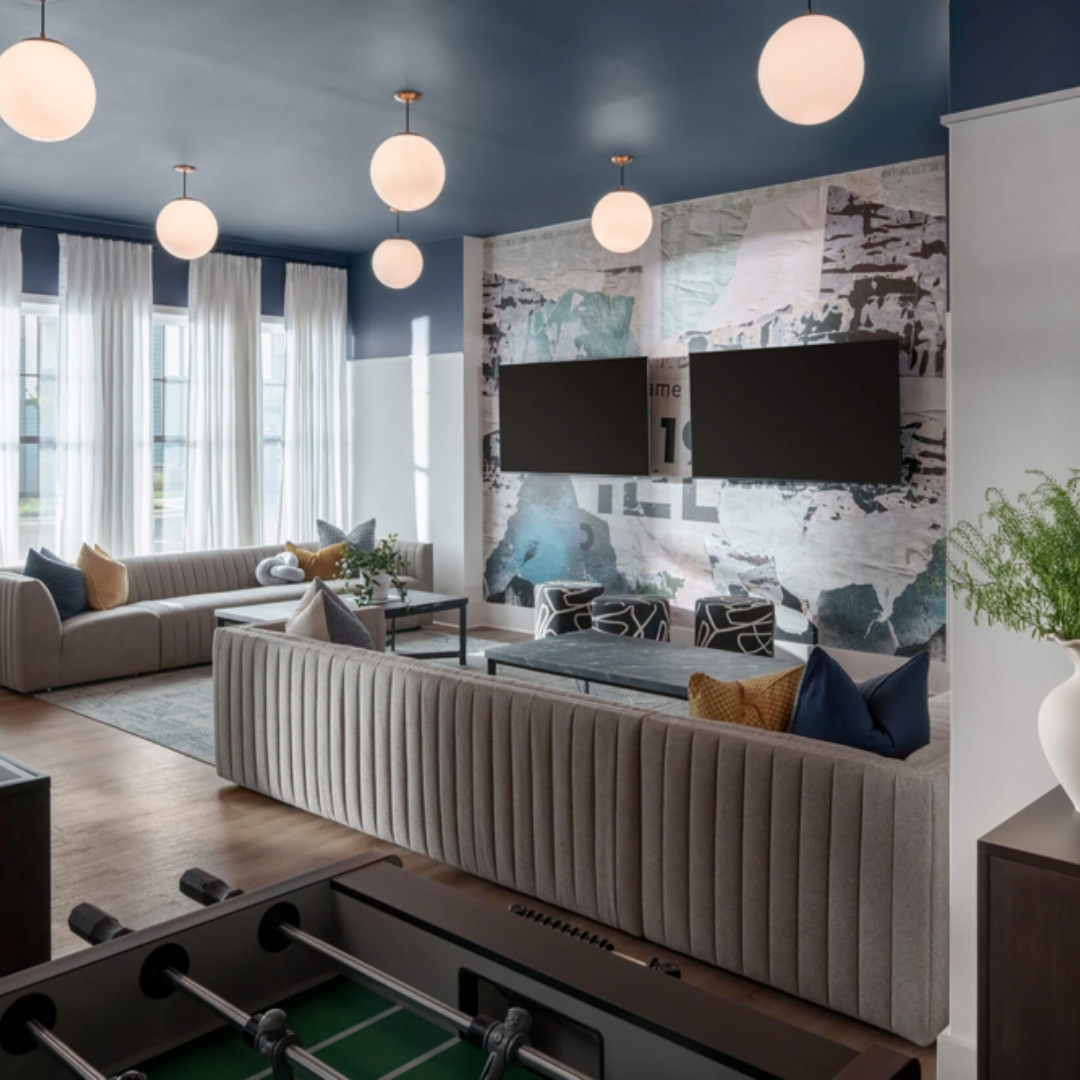
Art that blends multiple mediums, such as photography and painting, will adorn student housing and multifamily spaces in 2025. The sky’s the limit with this trend; it has true potential to set spaces apart from others by serving as focal points and conversation pieces. It offers a refreshing option compared to cookie cutter artwork and can contribute to other elements that make a property one of a kind.

Pop culture integrations provide the perfect foundation for this new wave of art. Blending classic pop culture (think popular movies, characters, or TV shows, for example) into art pieces offers a sense of nostalgia and can help build connections with residents.

Bold Patterns in Upholstery Featuring Classic Florals

Boring is out; bold is in. We expect to see a broader use of bold patterns, particularly classic florals that bring a sense of nostalgia while playing to the trends surrounding nature and eco-friendliness.

Part of the reason behind this prediction is the surge in vintage decor. Thrift shops are filling up with classic furniture and housewares from the 1960s and 1970s, leading to a renaissance of sorts for bold patterns.

Daring Pillows

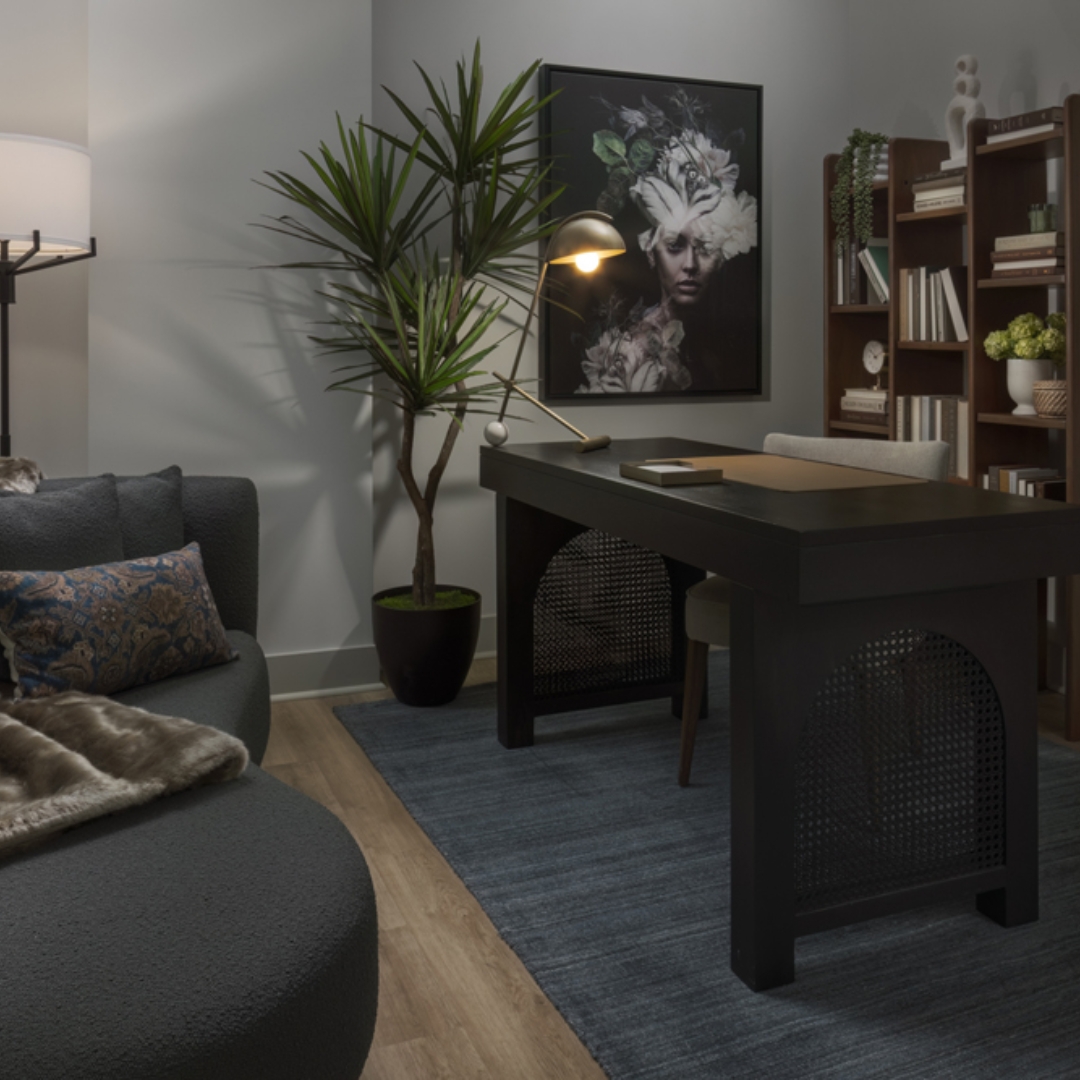
Pillows are no longer just accent items. Instead, they’re entire centerpieces of standard furniture. Everything from fabric choice and shape to texture and pattern will come into play, adding boldness and depth to furniture in ways that only non-traditional pillows can.

Handmade and Unique Furniture

An extension of the local trend, we predict that unique furniture and handmade pieces will replace traditional boxy and boring. Again, this circles back to differentiation by design. It’s not enough to serve as a functional space; people crave unique and individualism, and adding handmade and unique elements will capture immediate attention and provide an aura of rarity.

Layers, Layers, Layers

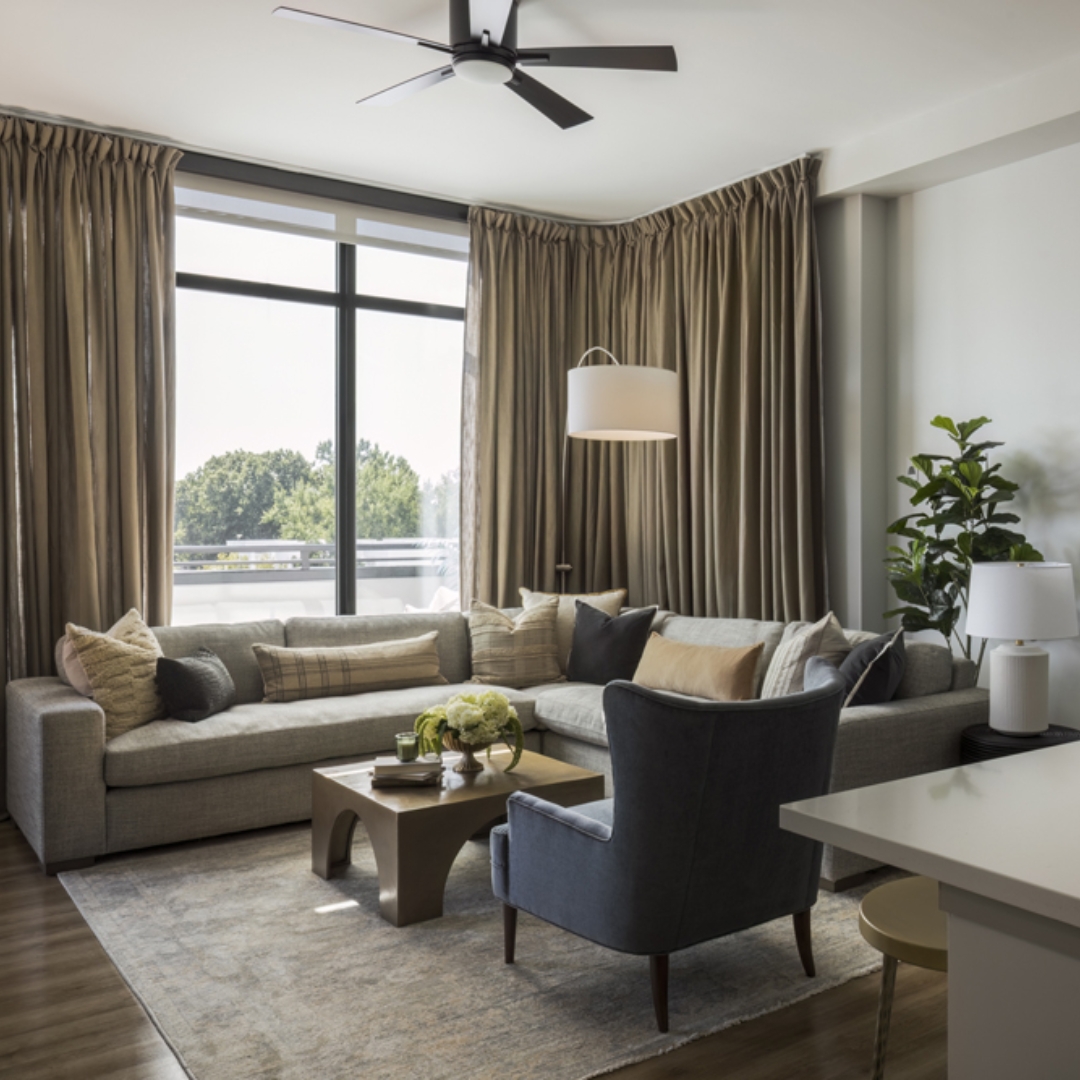
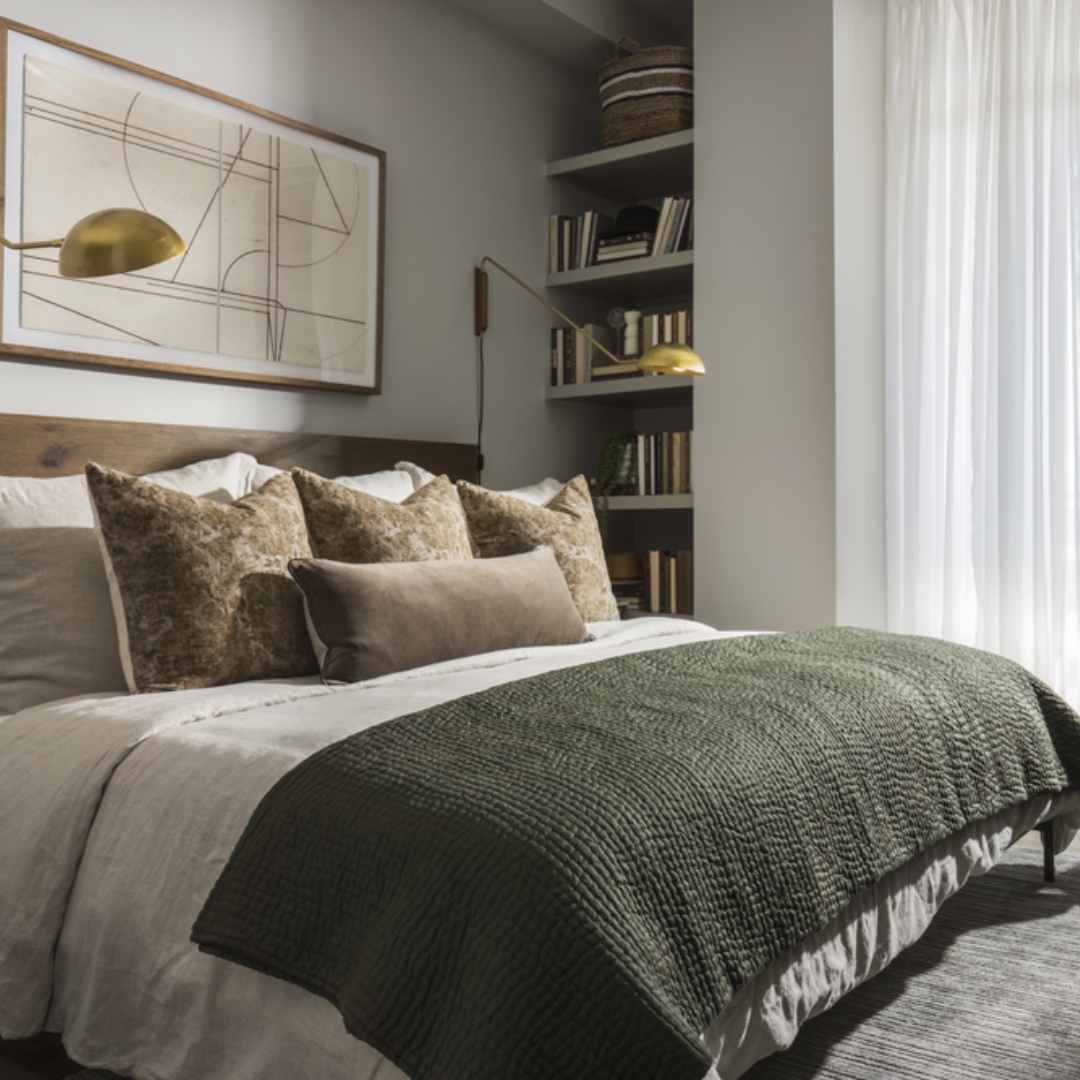
Minimalism is no longer the preferred default, not by a long shot. In 2025, it’s all about layers. From multiple window treatments to pillows in various sizes and shapes to adding textiles on top of textiles, layers provide depth and a thick richness to model units and lounge areas.

Setting Strong Expectations for Design in 2025

Our six predictions for design trends in multifamily and student housing didn’t happen by chance. We’ve seen the writing on the walls through recent design seasons and are excited to see these trends develop.

As we continue to innovate ourselves, it’s important to note that we don’t always want to fall into fads and trends just because people want them. While we want designs to be fresh and innovative, we don’t want to have properties that date themselves too quickly, either.

Timeless designs always win. It’s not about incorporating the latest trends, but doing so while balancing longevity and “tried and true” design formulas that will keep your properties fresh. A professional commercial interior design firm will always walk this line perfectly.

Designers Reviewing Designs: Martha Thomley

Finding Inspiration

Reviewing Great Work with The SPI President

Martha Thomley is the Founder and President of SPI. 20 years into the world of interior design, we wanted to ask her which fellow designers spark her creativity and renew her energy for the work.

Who is an individual or group designer/blogger outside of our typical design space that inspires you in your designs or personally?

As a previous owner of a travel agency, I find my true inspiration comes from many different areas of the world. My eclectic compilation of design style comes off as a juxtaposition of “casual elegance,” with a little bit of fun thrown in for surprise.

I love to comb the pages of magazines, and see how jewelry, travel, art and fashion inspires me. One of my favorite websites to visit is https://www.eightdegreessouthexport.com/. I love their organic natural materials, and the simplicity of their products showcased in beautiful images. It reminds me of ocean breezes and a such a peaceful relaxed lifestyle.

My more-is-never-enough side, however, gravitates to [Phoebe Howard](https://phoebehoward.net/). Her ability to marry traditional and modern touches in every space she creates gives me a sense peace in balance and elegance.

Another designer I like to follow is [Ashley Stark](https://ashleystarkhome.com/). She uses her love of travel to inspire her spaces, and literally love everything she designs.

What are some examples you can share with us?

The Eight Degrees South team incorporates natural elements to give a warm, welcoming spaces. You could be dressed in a cocktail dress, or a beach coverup, and be comfortable in their spaces.

“In one of Mrs. Howard’s entry foyers, she uses a mix of true traditional wood flooring, with a surprise animal print on the staircase, coupled with a antique Asian inspired table and modern
art.”

“In another example, she transforms a very traditional interior space into an inviting, relaxed feel using a mix of natural elements of rattan and soft colors to invite you into the space.”

In Ashley Stark’s designs, she brings the exterior elements into the space, and reminds you of the romance of design.

How have you used inspiration from their work to implement new installations or design elements in your own work?

I pull inspiration from these, and many other designers, who incorporate the old with the new into their spaces. The harmony of the past with the present gives me a sense of a truly grounded space that anyone can be comfortable within.

How Good Interior Design Impacts Lease Rates at Multifamily Properties

Tenants Love the “Cool Factor”

Why Interior Design Matters for Your Multifamily Property

In this blog, SouthPark Interiors uncovers the importance of good interior design as it relates to multifamily community success. You’ll learn:

  • Whether interior design impacts multifamily success
  • How good interior design affects lease rates
  • How good interior design affects renewal rates

The benefits of investing in well executed interior design for your multifamily property cannot be overstated. To prove how invaluable interior design truly is to the overarching tenant retainment strategy, our team contacted our past clients to see how business has held up since completing their interior design projects.

What we found proves beyond a shadow of a doubt that good interior design has a direct impact on multifamily community success. Read on to find out exactly how impactful interior design can be for helping you meet your business objectives!

Does Interior Design Impact Multifamily Success?

Our team wanted to understand exactly how our interior designs factor in to multifamily community success, specifically as it relates to lease rates and renewal rates. After interviewing our previous clients, we were able to gather some interesting insights:

Good Interior Design & Lease Rates

It turns out that good interior design has a direct impact on property vacancies. In fact, 97% of SPI-designed properties were fully leased as of July 2022. That means 97% of our clients were fully occupied after their construction or renovation interior design project was complete. Lower vacancies at your multifamily property means more tenants paying rent every month, which means a higher profit for your community.

Good Interior Design & Renewal Rates

Not only does good interior design have the ability to attract new tenants, but it also increases the chance of them re-signing their lease. According to our survey, clients reported that 99% of their tenants renew their leases for an additional term. Reduced tenant turnover is something that all multifamily property managers strive to achieve. Thanks to our team’s innovative designs, we’ve helped solve this critical pain point for countless clients throughout the United States.

Get these similar results at your property

Numbers don’t lie: Properties that have been expertly designed by SouthPark Interiors outperform their competitors by a longshot when it comes to improved lease rates and reduced tenant turnover. Working closely with architects, developers, and general contractors, we have successfully delivered our signature designs to more than 250 properties across the country.

If you’re looking to reduce turnover and eliminate vacancies at your multifamily property, request an interior design consultation with our team today!

Build for Rent in Multifamily Design

Exploring BFR Concepts in Multifamily Design 

Build-to-rent communities have emerged as a growing segment of the housing market, giving residents the space and privacy of a traditional home without the responsibilities of ownership. For developers, this housing model creates opportunities to serve renters whose needs aren’t always met by conventional apartment communities. 

As the market evolves, build-to-rent interior design plays an increasingly important role in attracting residents and encouraging them to stay. Thoughtful floorplans, quality finishes, and inviting shared spaces can help distinguish one community from another. Understanding how build-to-rent works, what residents expect, and where design makes the greatest impact can help developers make more informed decisions about their next project. 

What is a Build-to-Rent Community? 

A build-to-rent (BFR) community is a residential development designed specifically for long-term rental rather than individual homeownership. You may also encounter the terms build-for-rent, BTR, or B2R. Although the terminology varies, each describes essentially the same housing concept. These properties are typically professionally managed and offer residents many of the advantages of living in a single-family home. 

When comparing build-to-rent vs. multifamily housing, the biggest distinction is typically the property layout and residential experience. Traditional multifamily communities often feature apartment buildings with multiple units sharing hallways, entrances, and other interior spaces. A build-for-rent community generally consists of detached or attached homes with private entrances, more separation between neighbors, and sometimes individual yards or garages. 

Both models can offer professional management and shared amenities. However, BFR communities tend to appeal to residents seeking a more traditional neighborhood experience without purchasing a home. 

Types of Build-to-Rent Properties 

Build-to-rent communities can take several forms depending on available land, development costs, and the preferences of prospective residents. 

Single-Family Homes 

Detached single-family homes offer residents greater privacy and separation from neighboring properties. These communities may resemble conventional suburban neighborhoods, with individual homes situated on separate lots. 

Duplexes 

Duplex properties contain two residential units within one structure. Each unit typically has its own entrance and living areas, providing a balance between residential privacy and efficient land use. 

Row Homes

Row homes, sometimes called townhomes, feature individual residences connected by shared walls. Their compact layouts make them particularly suitable for developments where land availability is limited. 

Small-Lot Homes 

Small-lot developments feature detached homes on smaller parcels of land. This approach allows developers to provide many of the benefits of single-family living while accommodating more residences within a community. 

Each property type presents different interior design considerations, particularly regarding storage, room proportions, natural light, and how residents move between indoor and outdoor spaces. 

What Residents Expect from Build-to-Rent Interior Design 

The appeal of BFR housing extends beyond having a private entrance or additional square footage. Residents often expect the interiors to feel comparable to homes they might otherwise purchase. That expectation has important implications for build-to-rent interior design, especially as developers look for ways to distinguish their properties in an increasingly competitive rental market. 

Interior Finishes & Fixtures 

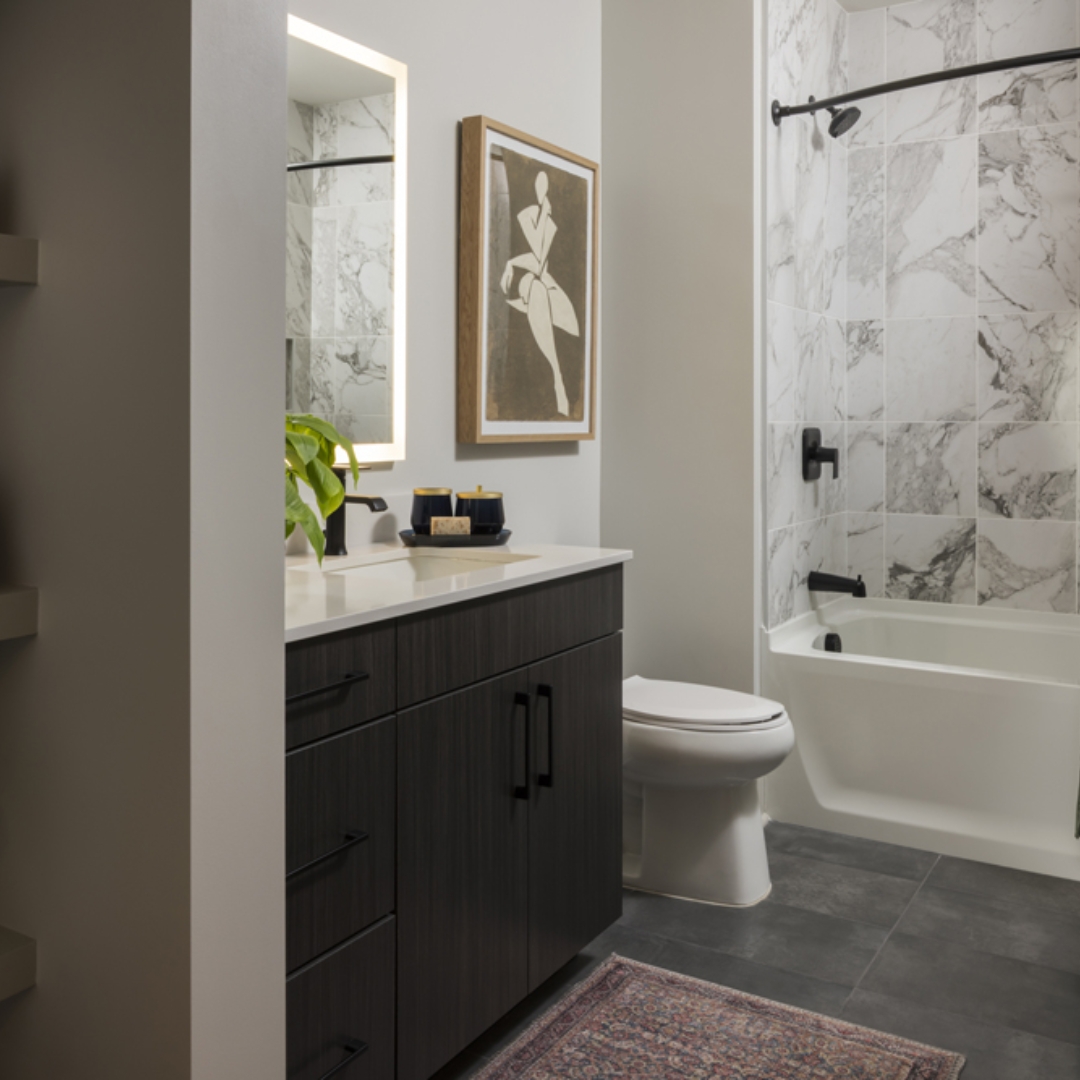
High-quality finishes help establish the residential character that many BFR renters seek. Durable luxury vinyl plank flooring, attractive cabinetry, upgraded countertops, and thoughtfully selected lighting can make a rental home feel more permanent and personalized. Kitchens and bathrooms deserve special attention because residents interact with these spaces every day. Practical storage, comfortable layouts, and well-coordinated fixtures can contribute significantly to the overall living experience. Spacious floorplans are another consideration: Open living areas, dedicated workspaces, and flexible rooms allow residents to adapt their homes as their needs change. 

Energy-efficient appliances and lighting also contribute to the appeal of these properties. Beyond their potential to reduce utility consumption, modern appliances can reinforce the impression of a well-appointed home. For developers, selecting finishes requires balancing visual appeal with durability and maintenance requirements. Materials should withstand repeated use while maintaining their appearance over time. Thoughtful model unit design can help communicate these qualities to prospective residents, allowing them to envision how the home will function in everyday life. 

Amenity & Common-Area Design 

Although BFR residents enjoy more private living space, shared amenities remain an important part of the community experience. Clubhouses, fitness centers, and resident gathering areas offer opportunities for social interaction while providing conveniences typically associated with traditional multifamily properties. Successful amenity and clubhouse design considers how residents will actually use these spaces. Comfortable seating arrangements can encourage casual conversations, while flexible gathering areas can accommodate community events or remote work. 

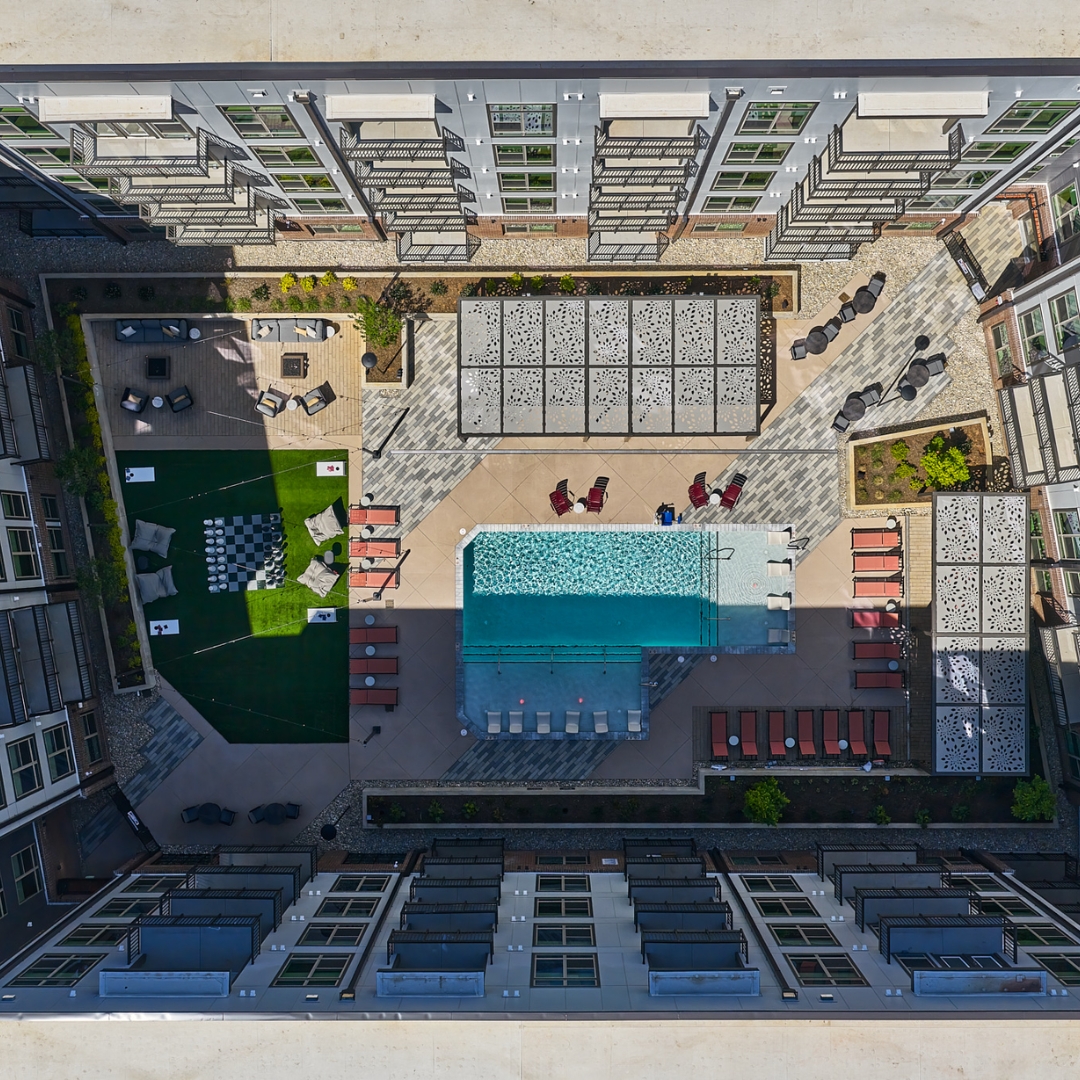
Outdoor amenities are equally important. Walking trails, landscaped gathering spaces, playgrounds, and dog parks can make a community more appealing to households with different lifestyles. The relationship between indoor and outdoor spaces also deserves consideration. Large windows, accessible patios, and thoughtful transitions between shared facilities and surrounding landscapes can create a more cohesive residential environment For developers, the goal is to create amenities that residents will continue using long after move-in day. Their value depends on how well they support daily routines and community connections. 

Why Developers Should Consider Build-to-Rent 

The BFR model offers several potential advantages for developers, particularly when the design responds to the needs of residents seeking long-term housing. 

Reduced Resident Turnover

Residents who choose BFR properties may be looking for greater stability than a conventional apartment provides. Comfortable floorplans, quality materials, and useful amenities can help support resident satisfaction and encourage lease renewals. 

Opportunities for Increased Profitability 

Build-to-rent homes may command higher monthly rents than smaller apartment units because of their additional space, privacy, and residential features. However, profitability depends on construction costs, operating expenses, local demand, and occupancy. Design decisions can influence those financial outcomes. Durable finishes may reduce replacement costs, while functional layouts and appealing amenities can strengthen a property’s market position. 

Differentiation from Traditional Rentals 

BFR developments can offer an alternative for households that want more space without the financial commitment of homeownership. As additional build for rent developers enter the market, however, differentiation becomes increasingly important. Distinctive multifamily interiors and carefully planned amenities can help a community establish its identity. For a broader look at evolving residential preferences, explore multifamily and student housing design trends. 

Frequently Asked Questions

What is Build-to-Rent Interior Design? 

Build-to-rent interior design focuses on creating attractive, functional, and durable interiors for homes developed specifically as rental properties. It includes residential floorplans, finish selections, fixtures, furnishings, and shared community spaces. The goal is to provide a home-like living experience while accounting for the operational needs of rental properties. 

How is a Build-for-Rent Community Different from an Apartment Complex? 

A build-for-rent community typically features detached homes, duplexes, or townhomes with private entrances and more individual living space. Traditional apartment complexes generally contain multiple residences within larger buildings. Both may offer professional management and shared amenities, but BFR communities emphasize the experience of living in a neighborhood of individual homes. 

What Amenities Do Build-to-Rent Residents Expect? 

Common amenities include clubhouses, fitness centers, walking trails, dog parks, and outdoor gathering spaces. Inside individual homes, residents often value spacious kitchens, modern appliances, ample storage, upgraded finishes, and flexible living areas. The ideal combination depends on the community’s location and target residents. 

Designing Build-to-Rent Communities for Long-Term Appeal 

As build-to-rent becomes a more established part of the housing market, interior design will continue to influence how communities compete for residents. Developers who prioritize practical floorplans, lasting materials, and welcoming shared spaces can create properties that remain appealing well beyond their initial lease-up period. 

If you’re looking for an interior design team to assist with your build-to-rent community, SouthPark Interiors is here to help. Connect with us today to learn more about our approach and how we can bring your BFR community to life!

One-Bedroom Rent at All-Time High: Here’s Why!

Why is one-bedroom rent so high?

Uncovering the Recent Increases in One-Bedroom Rentals

With one-bedroom rent rates at an all-time high for multifamily communities, SouthPark Interiors put together this article to help readers understand:

  • How much rent rates have increased year over year
  • Which cities have experienced the largest rent increases
  • Why one-bedroom units are seeing a raise in rent
  • What multifamily communities can do to retain tenants

It’s no secret that inflation has caused the price of many goods and services to skyrocket — and one-bedroom rentals are no exception. Multifamily communities all over the United States have seen significant increases to the rent rates for one-bedroom units, leaving many to wonder how they can retain tenants while remaining profitable.

By taking time to understand the reasons for rent increases, multifamily developers and owners can prepare accordingly by communicating clearly with tenants, optimizing their amenities, and innovating their living spaces.

Rent Rates Increase for One-Bedroom Units

According to Zumper’s April National Rent Report, one-bedroom rent rates have increased more rapidly in 2022 than during the same period in 2021. As of May 2022, the national average cost of a one-bedroom rental is $1,410 — up 3.2% just since January. By comparison, during the same period last year, rent rates only increased by 1.7%.

Where are One-Bedroom Rents Increasing the Most?

As can be expected, the nation’s largest metropolitan areas remained at the top of the list for highest-priced one-bedroom apartments, with New York City and San Francisco taking first and second place, respectively. However, smaller southern and midwestern cities throughout the United States are also seeing significant increases month-to-month. Most notably, Winston-Salem, NC and Columbus, OH are seeing monthly rental increases in excess of 5%.

Why the Raise in Rent?

There are many factors that have contributed to the sudden increase in one-bedroom rentals across the nation. Chief among them are:

Supply & Demand: As we’ve covered in previous articles, the multifamily sector is booming, with high-income households driving most of the growth in the rental population. Especially as the pandemic wears on and young adults are seeking opportunities to branch out from under their parents’ roof, the demand for one-bedroom units has never been higher. At the same time, however, plans to build to multifamily communities have stalled due in large part to supply chain disruptions. This classic case of high-demand, low-supply is a major factor in driving up the cost of rent.

Competitive Marketplace: The real estate market has never been more competitive, with the average cost of a single-family home costing a record $346,900. In fact, the National Association of Realtors estimates that nearly 1 million U.S. renters were priced out of the housing market last year due to the high cost of homes and increased competition among wannabe homeowners. As a result of these high home prices, multifamily communities have been given more leverage to increase rent rates for their tenants.

Wealthier Renters: With the pandemic allowing more people to work from home, many white-collar workers with jobs in high-paying industries now have the freedom to live wherever they want. This shift in work-from-home culture is one of the biggest reasons for the city exoduses seen across the nation. With wealthier renters coming into suburban areas with limited vacancies available, property owners have seized the opportunity to raise rates.

What Multifamily Communities Can Do to Retain Tenants

Raising rent for tenants is something that many multifamily owners and operators struggle with as it has the potential to contribute to tenant turnover. Remaining profitable is important, but that profit only comes if residents remain happy and are willing to pay the increased price for their living space. Striking the balance between increased profit and tenant retention isn’t easy, but there are a few steps that property managers can take to prevent against turnover:

Communicate

It’s important to communicate clearly with residents before implementing any rent increases. Make sure to explain the reasons behind the decision to raise rent, and ensure all staff are fully updated on the issue so they can answer any questions or concerns.

This is also a great opportunity for property managers to update the communication systems used on site. In a recent study of over 1,800 tenants of varying backgrounds, residents revealed that they wanted an online community portal so they could more easily:

  • Communicate with staff members
  • Advise landlord and property managers of issues
  • Extend leases
  • Pay rent

Implementing a communications portal that can manage all of these tasks not only helps improve transparency when it comes to rent increases, but it also makes the community more marketable to future tenants.

Accommodate

One way that multifamily developers and owners can help alleviate the blow of a sudden rent increase is by announcing plans to install new amenities for their residents. In fact, many tenants are willing to pay higher rent rates if they know their community includes:

  • Smart Upgrades: From smart locks for keyless entry to EV charging stations, residents crave smart technology so much, they’ll pay more to have access to remotely control their space.
  • Preferred Parking: Offering tenants a designated parking space is critically important, especially if the multifamily community is located in a busy metropolitan area.
  • Premium Amenities: Whether it’s in-unit laundry accommodations, stainless-steel appliances, or luxury countertops, tenants will happily pay more for premium, in-unit upgrades.

Innovate

Along with in-unit, tenant-focused upgrades, multifamily developers and owners may want to consider innovating their space further by including unexpected community amenities. Today’s residents demand more from their living spaces, desiring not only a space that’s comfortable and homey, but also one that speaks to their larger values. For instance, a New York City transplant seeking quiet solitude in the suburbs of Winston-Salem might enjoy a community gardening area or access to an on-campus walking trail.

At SouthPark Interiors, our dynamic multifamily interior designs help create and cultivate communities that current and future residents actually want to call home. Enter in a new era of communication, accommodation, and innovation at your multifamily community by connecting with our interior design specialists today!

southpark interiors logo homepage
  • Our Services
  • Design Portfolio
  • The Team
  • Press
  • Contact

1101 Greenwood Cliff, Charlotte, NC 28204
704.333.3566

© 2026 SouthPark Interiors, LLC | Corporate Web Design + Development