


Renovation as a Strategic Investment, Not a Reaction
In student housing, renovation is not simply a response to aging finishes or visible wear. It is a proactive strategy that protects asset value and strengthens market position. Properties that approach renovation early tend to outperform those that wait for clear signs of decline.
Design directly influences leasing performance, tenant retention, and how a community is perceived within a competitive market. Student housing evolves quickly, shaped by shifting expectations around lifestyle, technology, and social interaction. Timing is critical. A delayed renovation can impact not just one leasing cycle, but several.
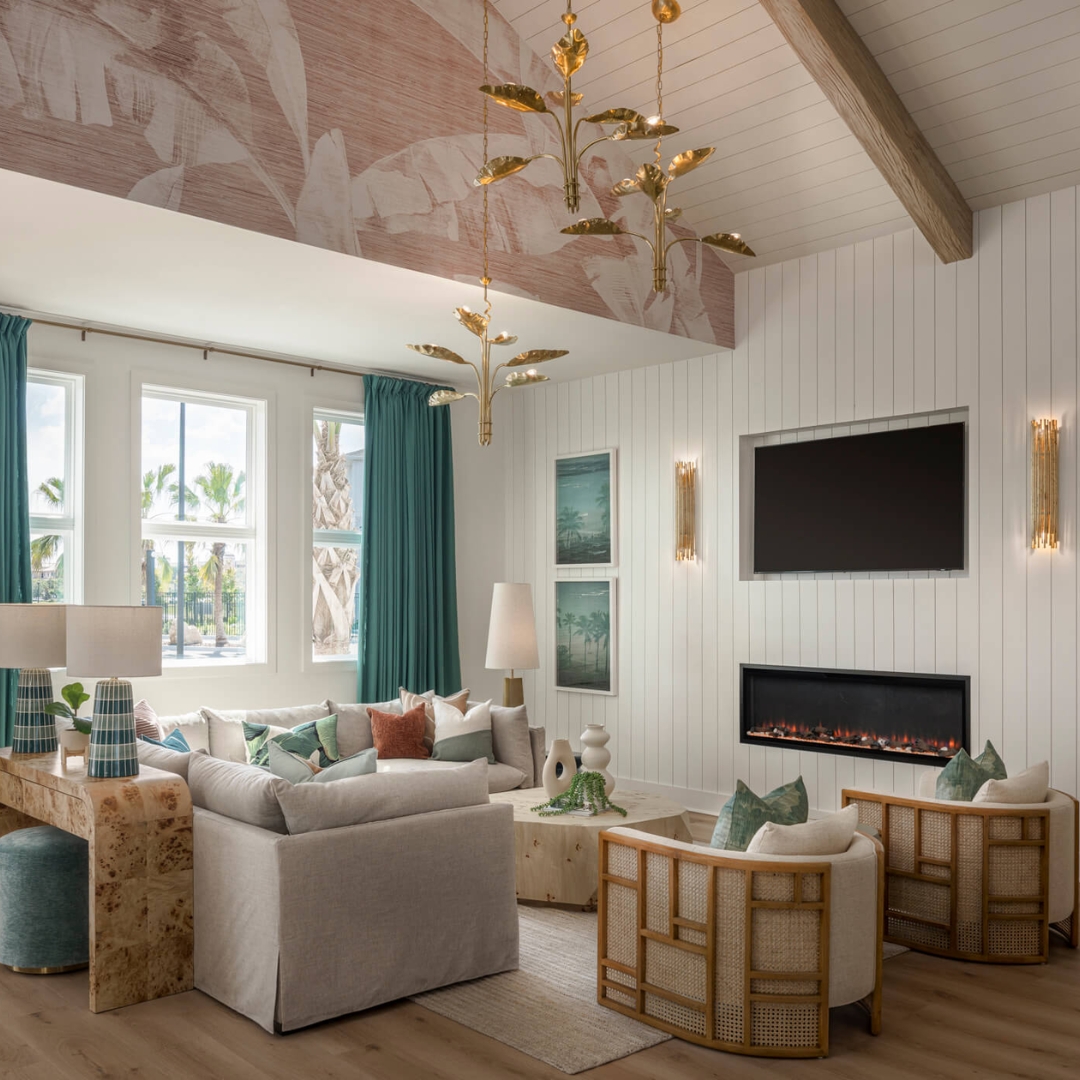
Why Timing Matters in Student Housing Renovations
Student housing operates on short leasing cycles. Missed opportunities during peak leasing periods are difficult to recover, and underperformance can compound year over year.
Today’s renters expect environments that feel cohesive, brand-driven, and inspired by hospitality design. According to research from the National Multifamily Housing Council, amenities and overall property experience are among the top drivers of renter decision-making. When updates are delayed, the impact becomes measurable. Lower occupancy, increased concessions, and higher turnover often follow.
Sign #1: Declining Lease-Up Velocity
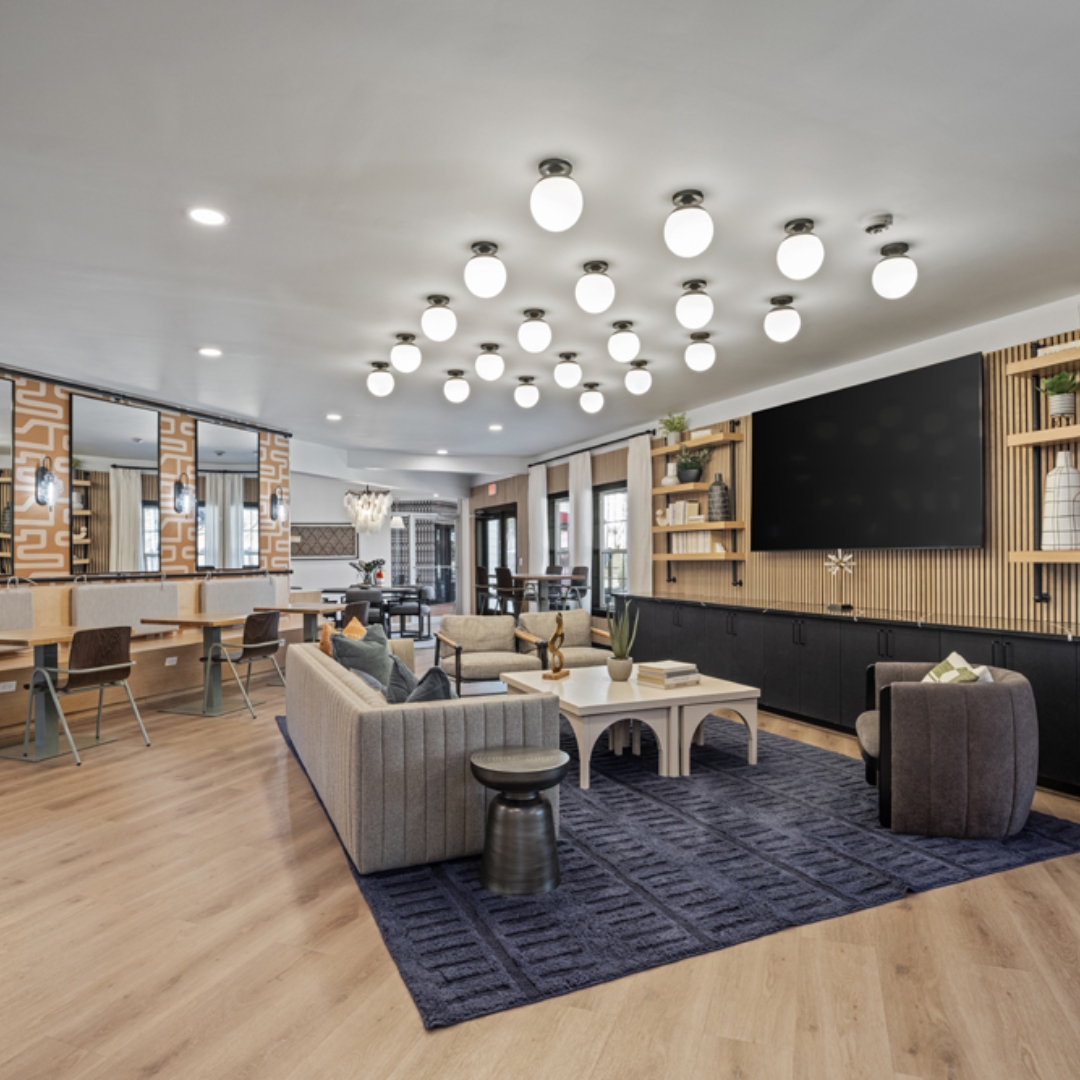
One of the earliest indicators is a slowdown in lease-up. If units and amenities are no longer generating the same level of interest, design may be a factor. Prospective residents compare properties quickly. If competitors offer more current environments, your property can fall behind. Model units that once converted effectively may no longer reflect what students expect. First impressions matter. The design of a space during a tour often determines whether a prospect moves forward.

Sign #2: Increased Tenant Turnover
If renewal rates begin to drop, it is worth evaluating the resident experience. Outdated interiors and underperforming communal areas can reduce a resident’s desire to stay.
Student lifestyles have shifted. Spaces must support studying, socializing, and wellness. When common areas no longer meet those needs, residents look elsewhere.

Sign #3: Outdated Amenities and Communal Spaces
Amenity spaces are central to student housing. When clubhouses, game rooms, or outdoor areas feel dated or underused, they stop contributing to the overall experience.
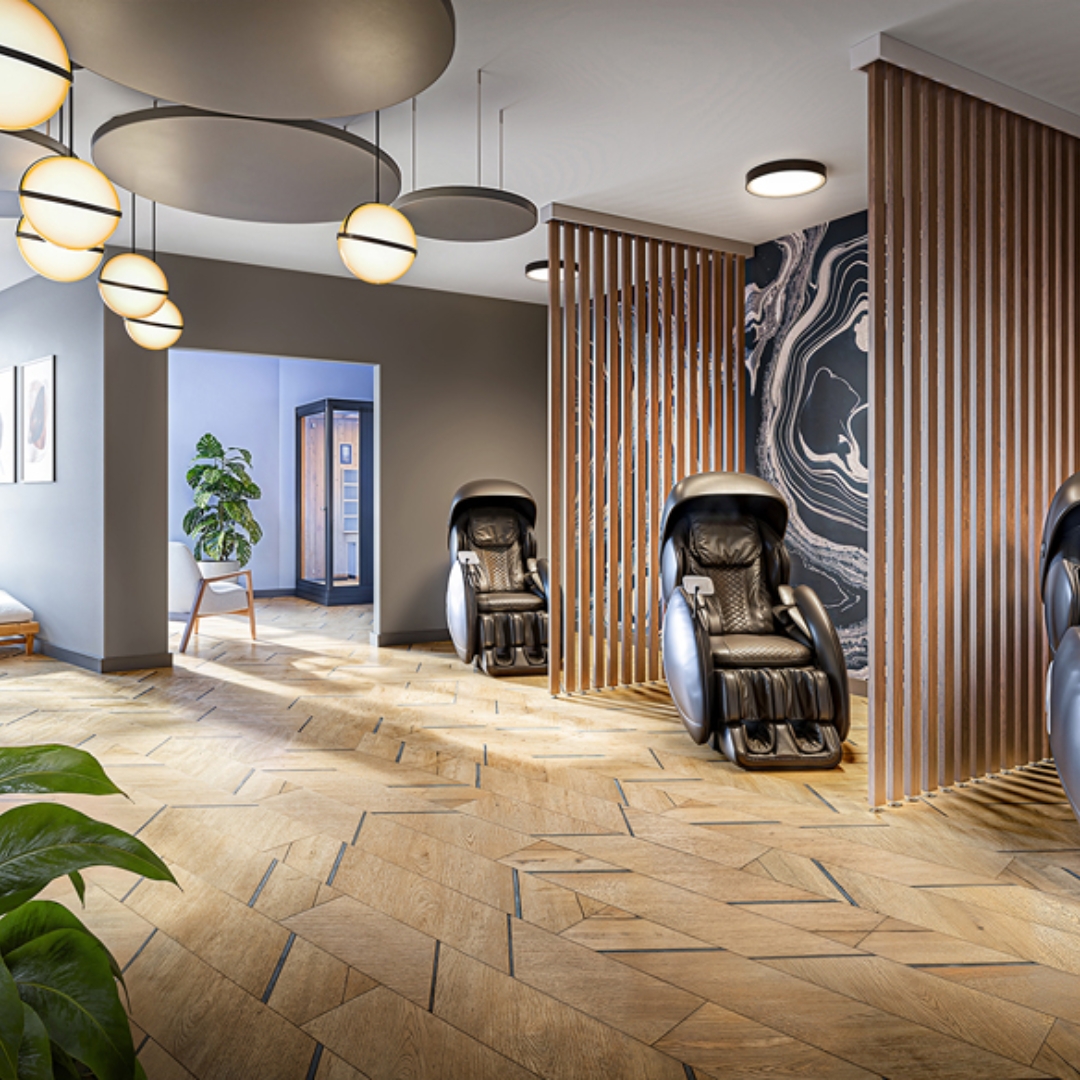
A lack of co-working areas, wellness-focused environments, or social hubs limits how residents interact with the property. These spaces are not just add-ons. They are key to building community and extending length of stay.

Sign #4: Your Property No Longer Aligns with Its Target Market
Markets evolve. If your property’s design no longer reflects the expectations of your target renter, performance can suffer. This misalignment often shows up when branding and the physical environment do not match. One of the biggest things to keep in mind in student housing is the property should sell a lifestyle as a whole as part of the property brand. A property positioned as premium should feel that way at every touchpoint. If it does not, prospects notice.
Sign #5: Wear and Tear Is Impacting Perception
Visible deterioration in high-traffic areas can influence how a property is perceived. Worn finishes, outdated furniture, and aging fixtures signal neglect, even when operations are strong. In competitive student housing markets, perception is everything. Small details can shape a prospect’s decision during a tour. Incorporating commercial-grade finishes will ensure they can withstand heavy-use environments like student housing.

Sign #6: Rising Maintenance Costs
Frequent repairs are a sign that materials and systems are reaching the end of their lifecycle. Continuing to patch issues often becomes more expensive than investing in a comprehensive update. Renovation allows for the introduction of more durable, high-performance materials that reduce long-term operational costs.

Sign #7: You’re Relying on Concessions to Stay Competitive
If filling units requires increased incentives or discounts, the property may not be competing on experience alone. Concessions can fill gaps in the short term, but they reduce revenue and weaken positioning. A well-executed renovation can reposition the property and reduce reliance on these tactics.
Sign #8: Model Units Are No Longer Converting
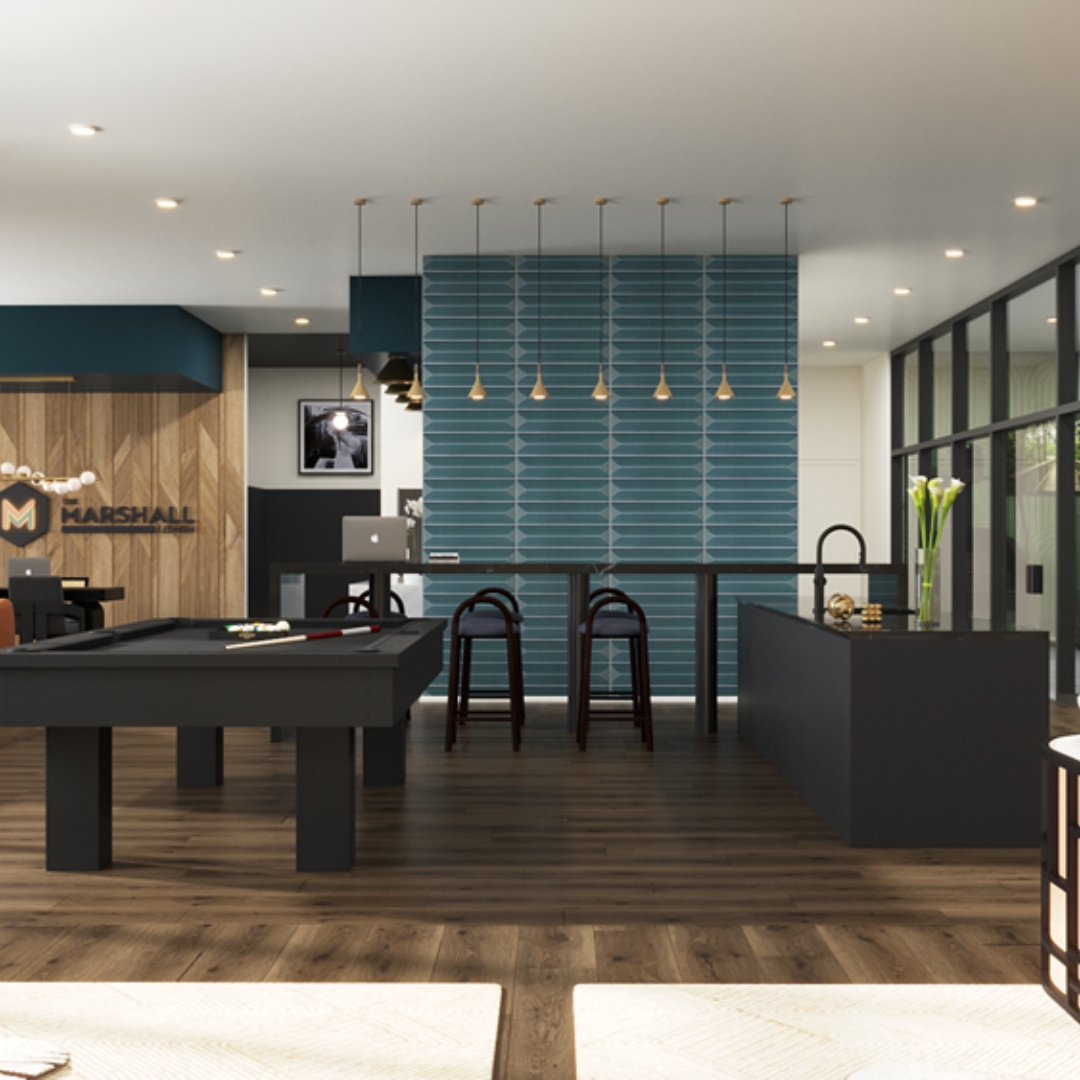
Model units should represent the best version of the property. If tour-to-lease conversion rates are declining, the design may no longer feel aspirational. Refreshing model units is often one of the most effective ways to improve leasing performance. These spaces serve as a direct reflection of the resident experience.

Sign #9: Competitor Properties Are Outpacing You
New developments and recently renovated communities continuously raise the standard. If nearby properties feel more current, better branded, or more engaging, your property risks falling behind. Staying competitive requires consistent evaluation of both design and functionality.

How to Approach Renovation Strategically
Evaluate Before You Renovate
Before making decisions, it is important to assess the property holistically. This includes communal spaces, model units, and outdoor amenities.
- Identify which areas can be refreshed and which require full reconfiguration
- Evaluate how spaces are currently used versus how they should function
- Review materials, layouts, and overall brand alignment
This step ensures that investments are targeted and effective.
Prioritize High-Impact Areas
Not all spaces influence leasing decisions equally. Focusing on high-visibility areas often delivers the strongest return.
Leasing centers, clubhouses, and model units play a direct role in attracting and converting prospects. Improvements in these areas can have an immediate impact on performance.
Align Design with Brand and Market Position
Design should always reflect the intended renter and price point. A cohesive environment strengthens identity and builds trust with prospective residents.
Audrey Robinette, director of sales at SouthPark Interiors, puts it simply: “Renovation is most effective when it is rooted in strategy. When design aligns with brand and market expectations, it becomes a tool that drives leasing, not just a visual update.”

The Value of a Full-Service Design Approach
A successful renovation requires more than updated finishes. It requires coordination across design, procurement, and installation.
SouthPark Interiors approaches projects as interior architects, managing space planning, FF&E procurement, and full implementation. This integrated process ensures consistency and efficiency from concept through completion.
Collaboration with developers and general contractors is central to execution. When all stakeholders are aligned, projects move faster and deliver stronger results.

Renovate Before Performance Declines Further
Waiting too long to renovate increases both cost and risk. As performance declines, the scope of work often becomes larger and more complex. Strategic renovation protects asset value and strengthens competitive positioning. It supports better leasing outcomes, improves resident satisfaction, and reduces turnover.
The most successful student housing properties are those that evolve ahead of the market. With the right approach, renovation becomes a forward-looking investment that drives long-term performance.


