


Coordinating with Key Stakeholders to Bring Beautiful Spaces to Life
When people picture an interior designer’s role on a multi-family project, they often imagine selecting furniture, fabrics, and finishes after construction is nearly complete. In reality, some of the most important design work happens long before the first wall is framed and continues until the final walkthrough.
Creating successful apartment communities requires constant collaboration among developers, architects, contractors, vendors, and interior designers. Every decision affects the next phase of the project, making communication just as valuable as creativity. When teams work together from the beginning, they can solve problems earlier, minimize costly changes, and deliver spaces that meet both business goals and resident expectations.
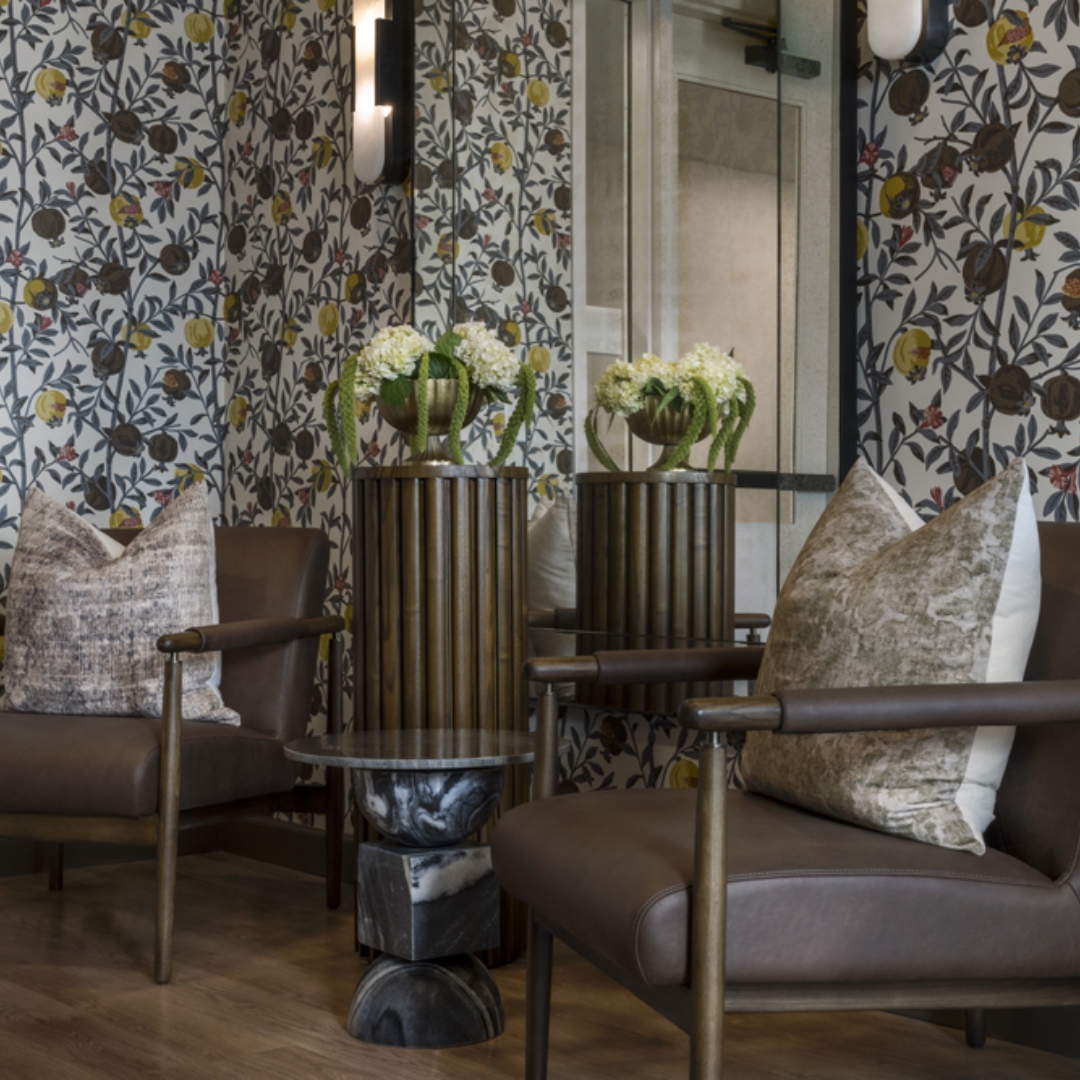
Collaboration Starts Before Construction
Interior designers are often involved during the earliest planning stages, well before materials are ordered or permits are issued. That collaborative approach is becoming increasingly important as the construction industry works to improve efficiency. According to a 2024 report from Dodge Construction Network, coordination issues are a leading cause of construction quality challenges, and better collaboration can improve project performance while reducing costly rework. Conversations between interior designers and key stakeholders help establish the project’s vision while ensuring design decisions support financial and operational objectives.
Early collaboration allows the design team to better answer questions like:
- Who is the target resident?
- What amenities will help differentiate the property?
- What budget parameters will guide material selections?
- How can design support long-term maintenance and durability?
Working through these questions before construction begins helps reduce revisions later and gives every project partner a clearer roadmap.
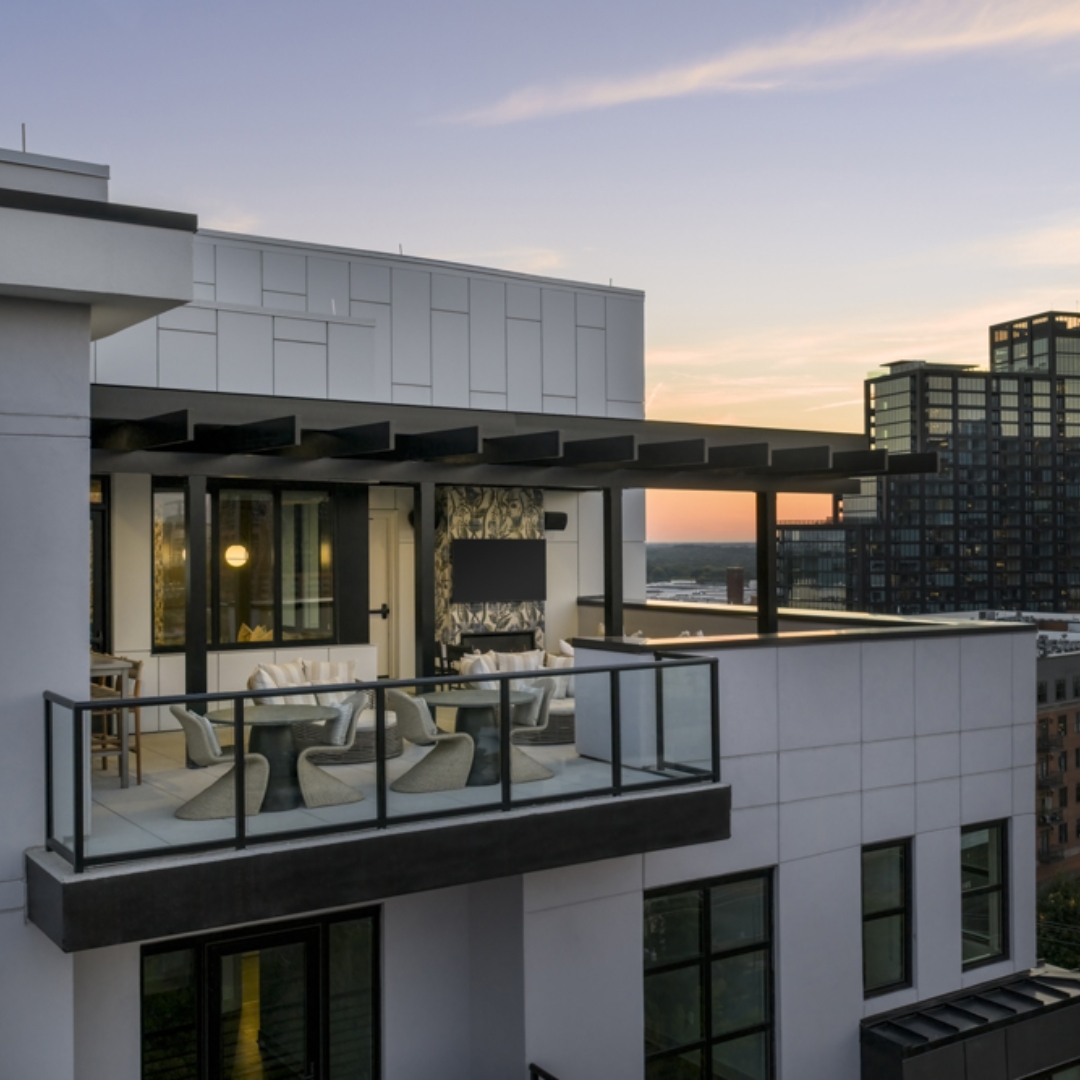
Turning Vision Into Reality
Developers often begin with a broad vision for a community. The designer’s job is to translate that vision into spaces that can actually be built while balancing aesthetics, function, budget, and schedule.
That process involves much more than selecting attractive finishes. Designers evaluate how products will perform over time, coordinate specifications with architects and engineers, and ensure selected materials can be sourced within the project’s timeline. The goal is to create interiors that feel intentional while remaining practical for construction and daily use.
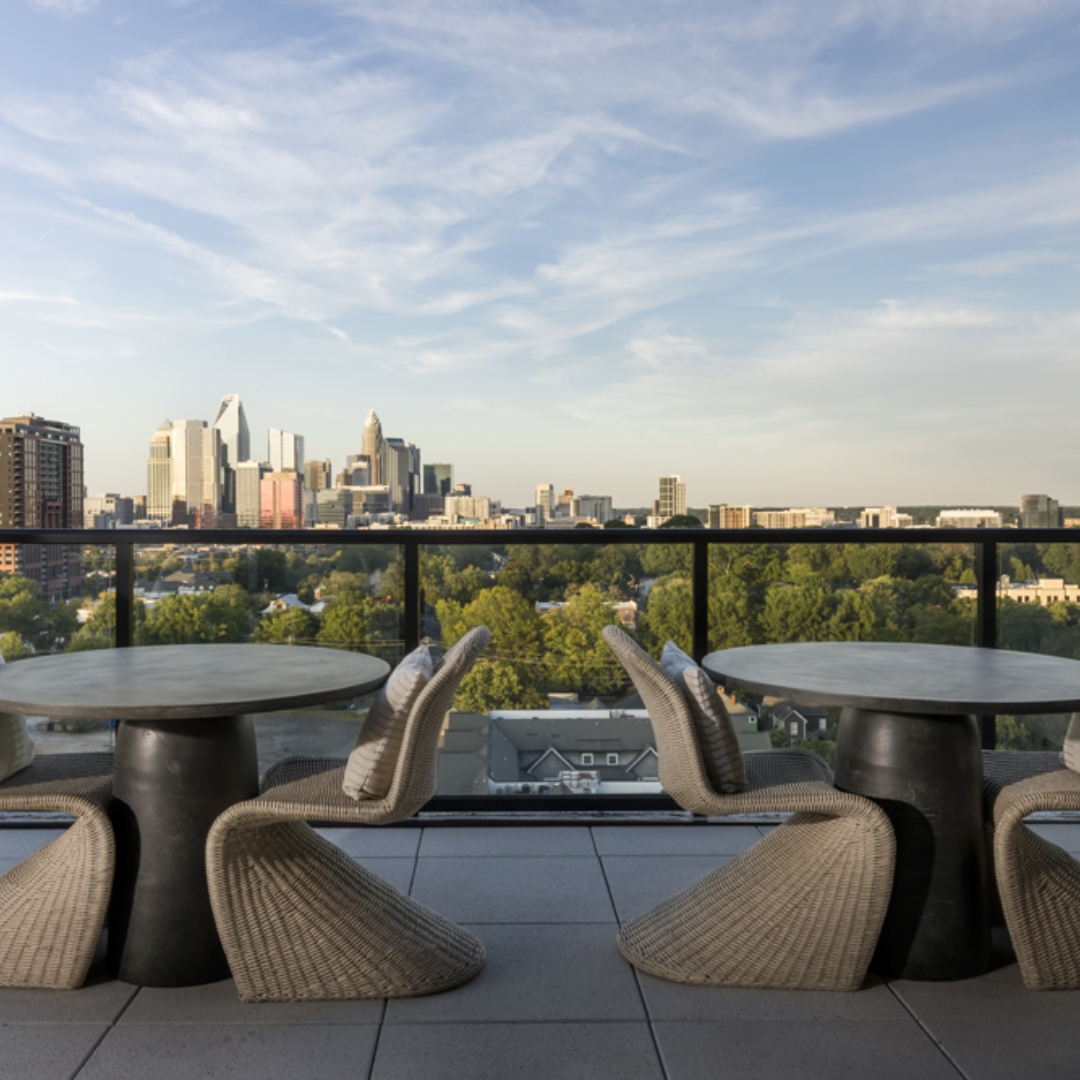
Staying Involved Throughout Construction
Design involvement does not stop once drawings are complete. Construction administration is filled with variables, and successful projects depend on teams responding quickly when conditions change.
Interior designers regularly collaborate with contractors by:
- Reviewing submittals and shop drawings
- Responding to Requests for Information (RFIs)
- Conducting site visits to verify installation progress
- Identifying solutions when products become unavailable
- Helping maintain design consistency when field adjustments are necessary
These ongoing conversations help prevent small issues from becoming expensive delays.
“Great projects are built on communication long before they’re built with materials,” says Corey Pitz, Director of Logistics at SouthPark Interiors. “When designers, contractors, and developers stay aligned throughout every phase, decisions happen faster, unexpected challenges become manageable, and every stays focused on delivering the best possible experience for the future residents.”
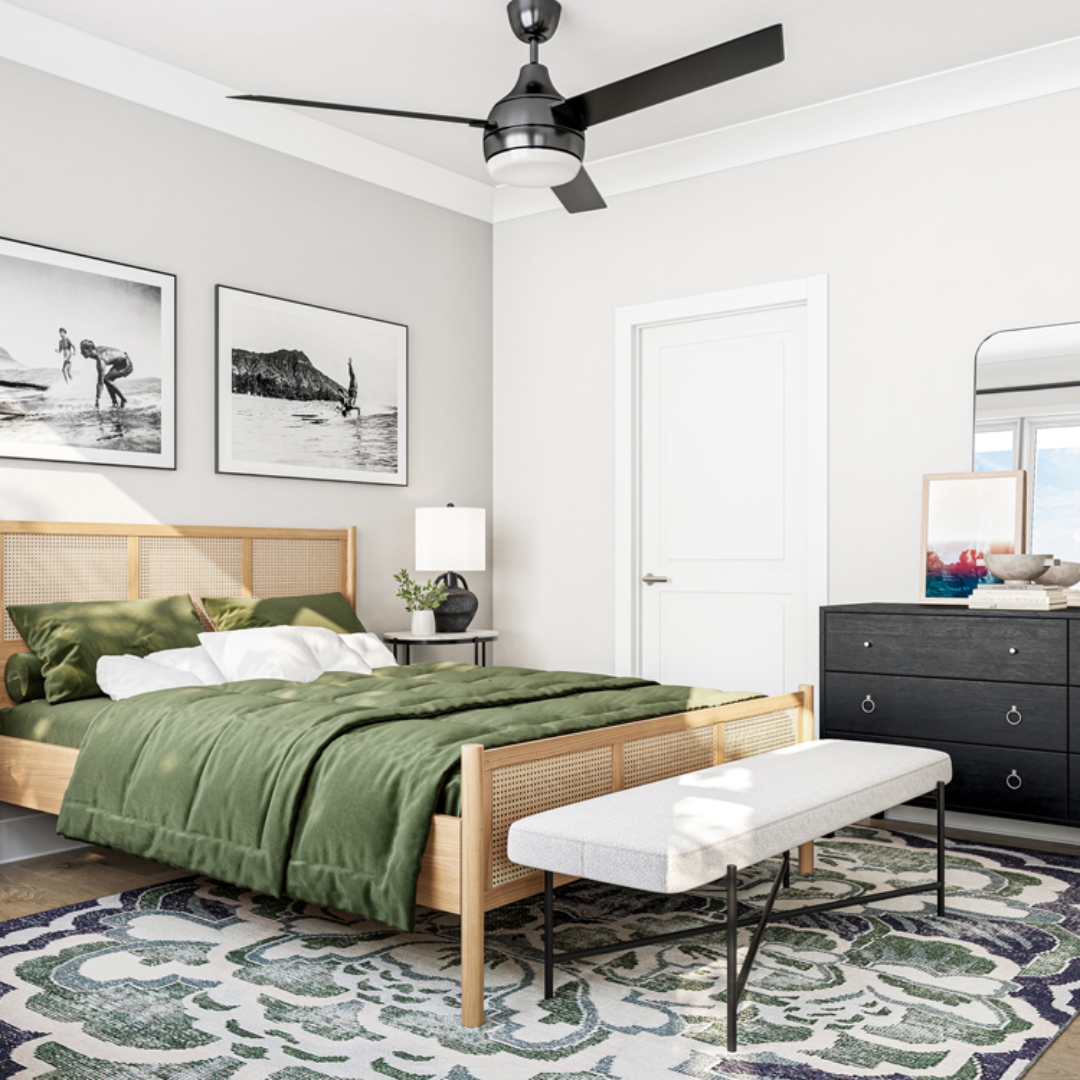
Communications Keeps Projects Moving
Every construction project involves hundreds of moving parts. Procurement schedules, material lead time, inspections, furniture deliveries, and installation sequencing all depend on accurate communication between multiple teams.
Regular coordination meetings create opportunities to identify potential conflicts before they affect the schedule. They also allow project teams to make informed decisions when unexpected challenges arise. Whether the discussion centers on a delayed furniture shipment or a finish that needs to be substituted, open communication allows projects to continue moving forward without sacrificing the overall design intent.
Balancing Creativity with Practical Constraints
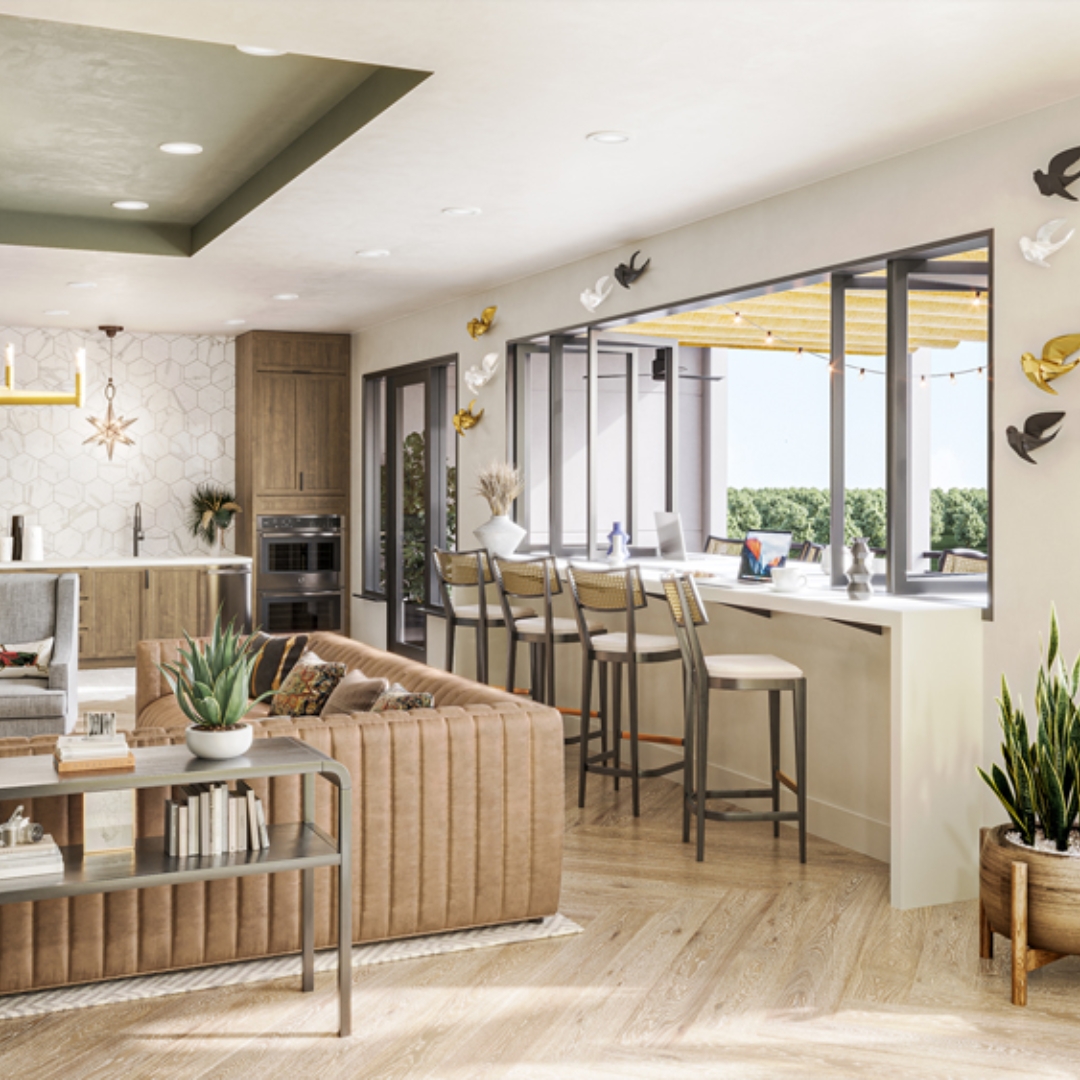
Every successful multi-family community reflects thoughtful design, but great interiors are never created in isolation. Designers must continuously balance competing priorities, including construction budgets, building codes, product availability, operational needs, maintenance requirements, and resident expectations.
The most successful solutions often come from collaborative problem solving rather than individual creativity. Sometimes a material is changed to improve durability. Other times, a layout is refined to simplify construction while maintaining the original vision. These adjustments are part of the process, not compromises. They ensure the finished community performs as well as it looks.
The Final Details Matter
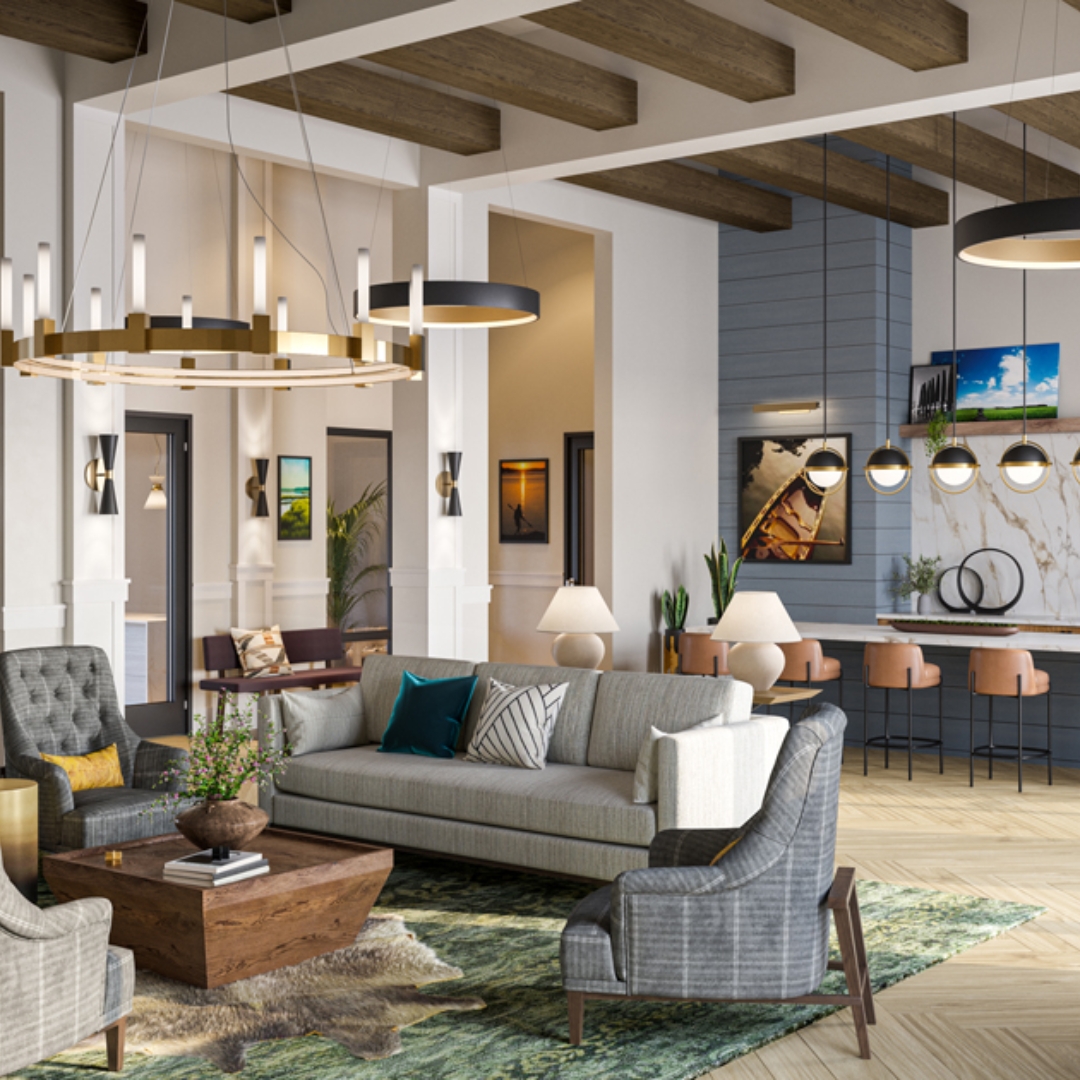
As construction nears completion, collaboration shifts toward preparing the property for its first residents. Design teams coordinate furniture installation, review punch list items, inspect amenity spaces, style model units, and verify that every design element has been installed correctly.
These final walkthroughs provide one last opportunity for designers, contractors, and developers to confirm that the completed project reflects the original version while meeting quality expectations. Attention to these finishing details often shapes prospective residents’ first impressions and helps establish the property’s identity from opening day.
Building Better Communities Together
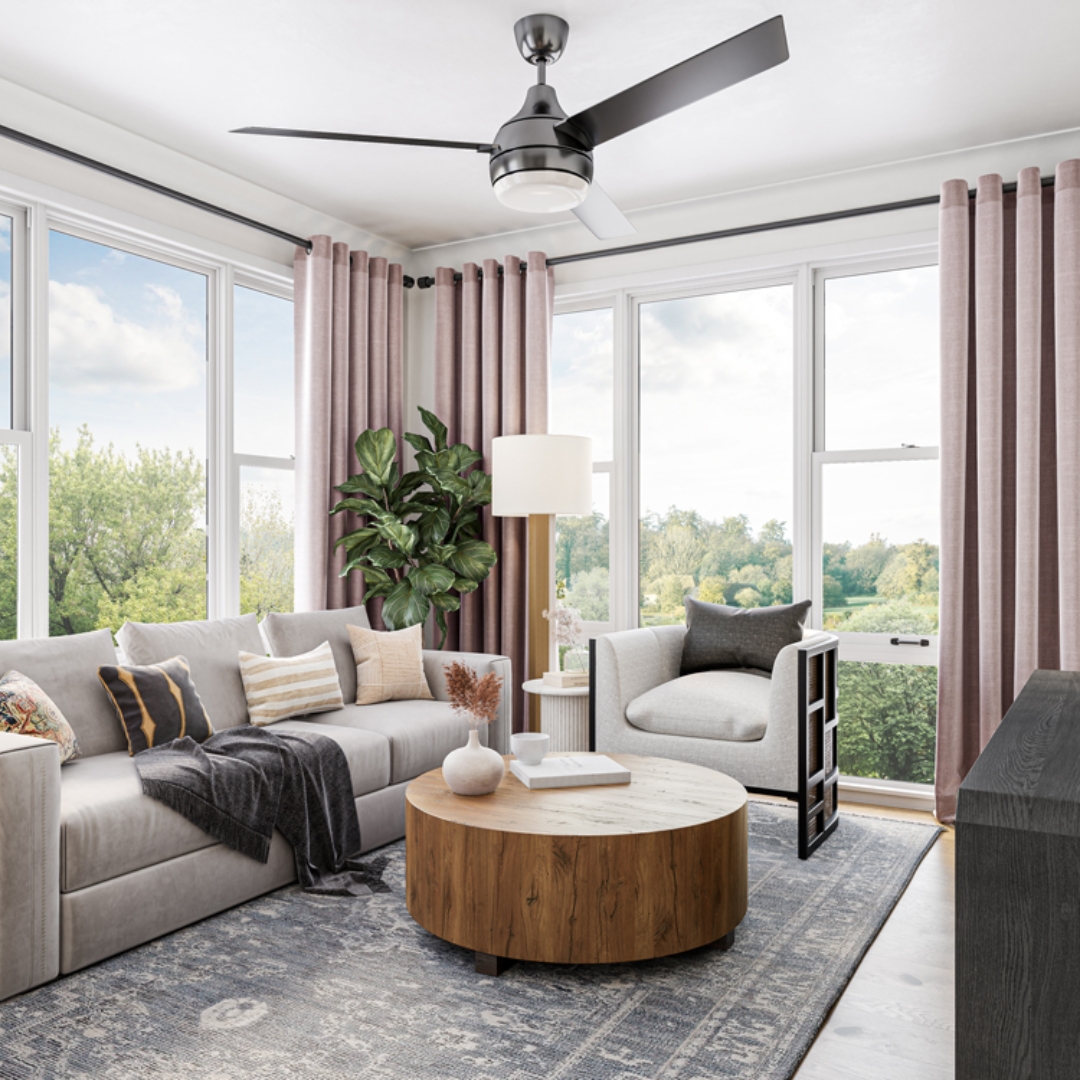
The best multi-family developments are never the product of one company or one discipline. They result from experienced professionals working toward a common goal while respecting one another’s expertise.
When developers, contractors, architects, and interior designers communicate openly from concept through completion, the outcome extends beyond a finished building. The result is a thoughtfully designed community that serves residents well, supports long-term property performance, and creates lasting value for ownership.


