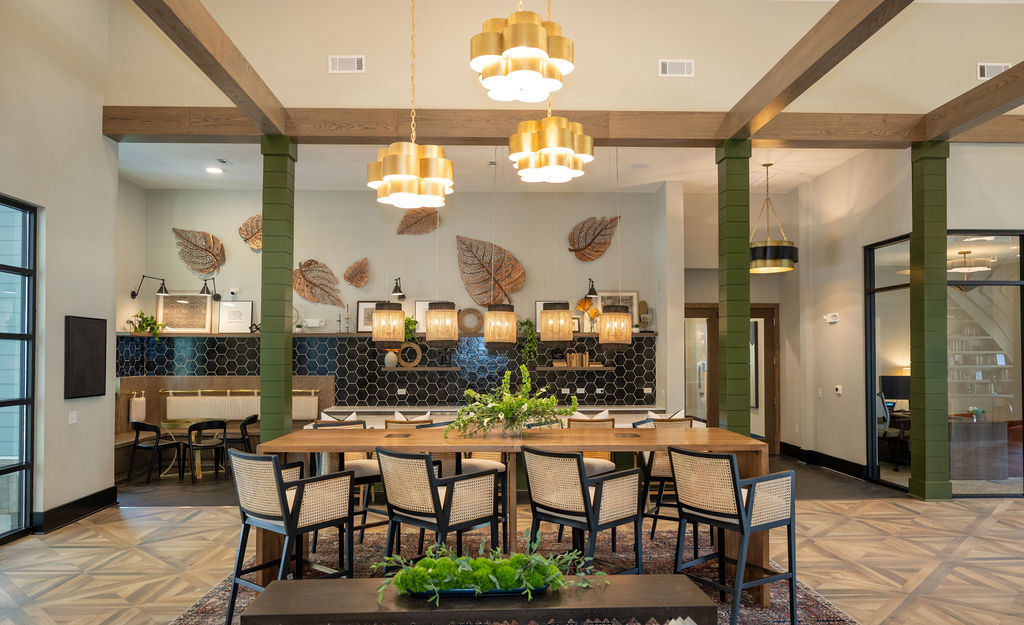
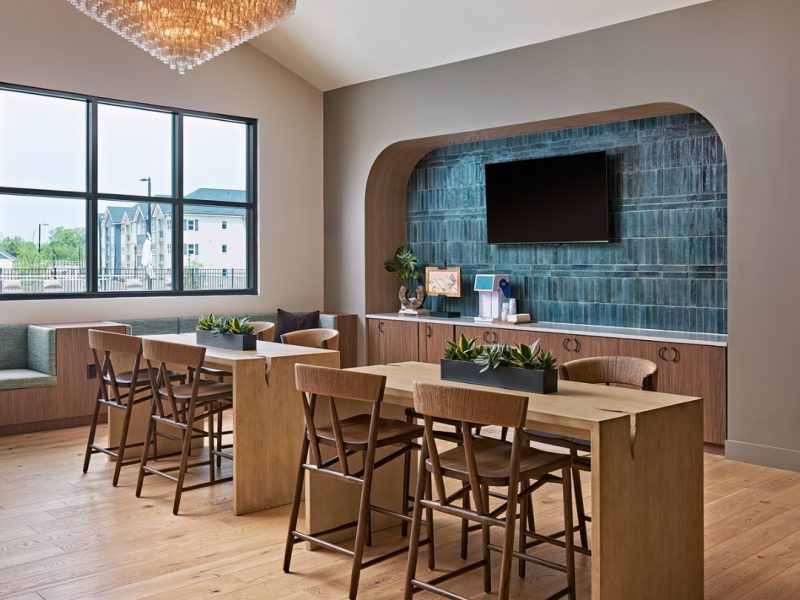
Differences & Similarities in Urban & Suburban Multi-Family Development
Multi-family housing continues to evolve as developers respond to changing renter expectations, shifting demographics, and new economic realities. While urban and suburban communities have historically attracted different resident profiles, today’s market is becoming more nuanced. Residents increasingly want flexibility, convenience, and amenities that support their lifestyles, regardless of location.
For developers, investors, property managers, and design professionals, understanding the differences between urban and suburban trends is essential. Location continues to influence everything from floor plans and amenity packages to leasing strategies and long-term investment decisions.
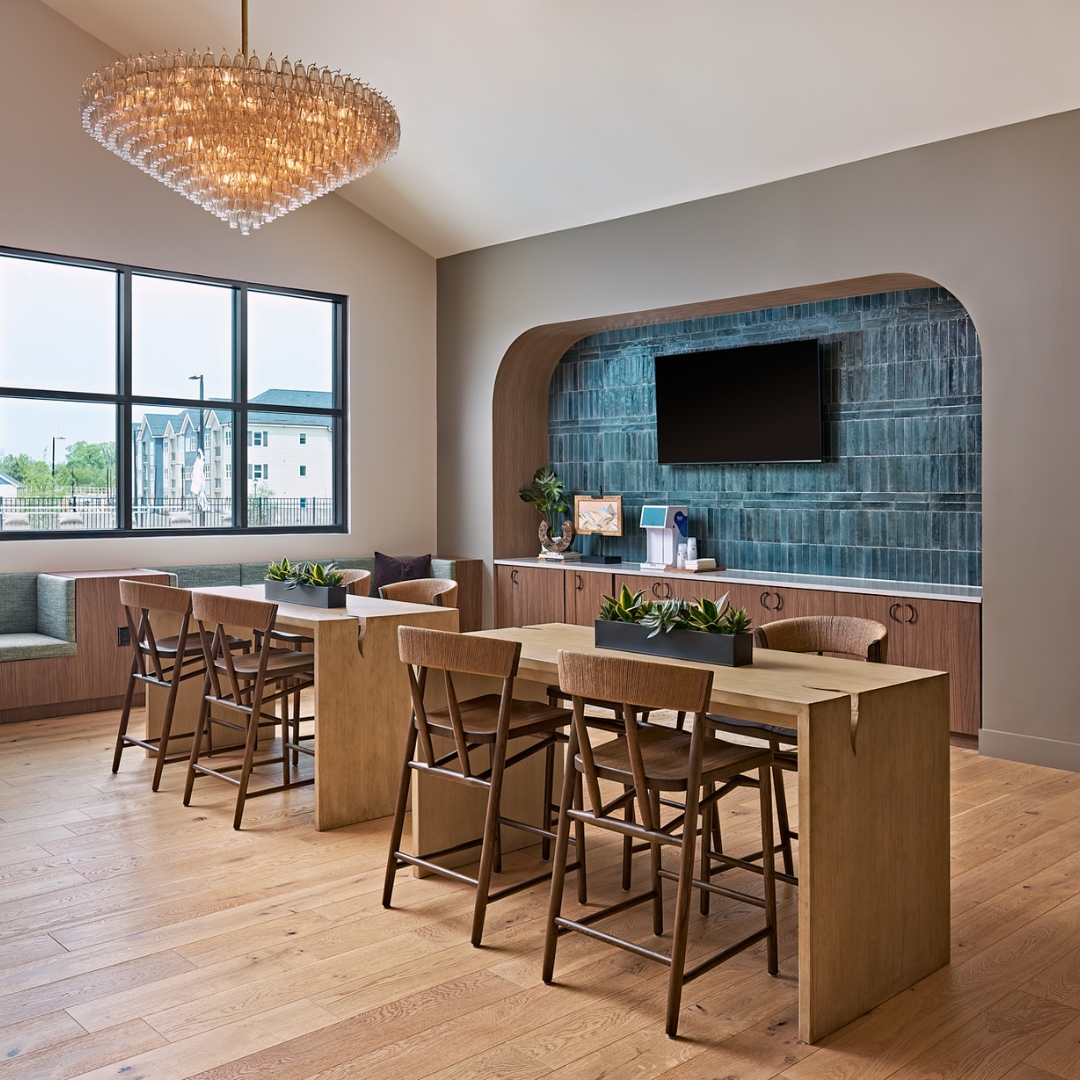
Urban vs. Suburban Multi-Family: Understanding the Basics
What Defines Urban Multi-Family Housing?
Urban multi-family developments are typically located in dense city centers or highly walkable neighborhoods. Residents often choose these communities because of their proximity to employment hubs, restaurants, entertainment venues, cultural attractions, and public transportation. These properties frequently maximize density through mid-rise and high-rise construction while emphasizing convenience and connectivity.
What Defines Suburban Multi-Family Housing?
By contrast, suburban multi-family communities are generally located outside major downtown areas. These developments often have more land available, allowing for lower-density layouts and larger living spaces. Suburban communities tend to focus on comfort, convenience, and lifestyle amenities, appealing to residents who want more room without sacrificing access to modern conveniences.
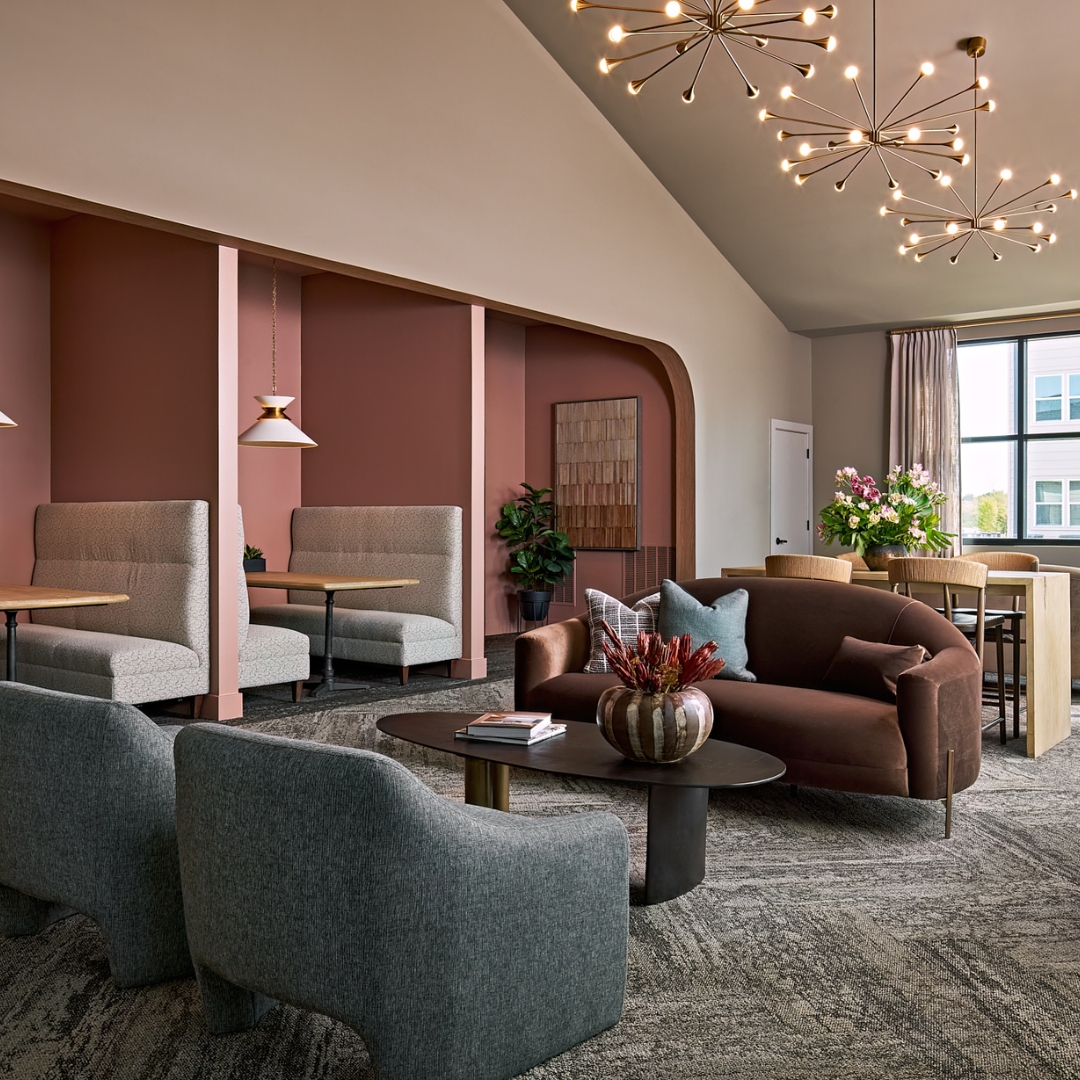
Demand Shifts Reshaping the Market
The Continued Appeal of Urban Living
Despite changes in work patterns over the last several years, urban living continues to attract renters who value accessibility. Young professionals, recent graduates, and residents seeking a highly connected lifestyle remain drawn to city environments.
Many urban markets continue to benefit from strong renter demand. According to a 2025 report from Multifamily Executive, apartment market conditions have remained relatively stable in many major markets despite ongoing economic uncertainty.
Growing Interest in Suburban Communities
At the same time, suburban multi-family housing has experienced significant growth. Hybrid and remote work arrangements have reduced the need for daily commutes, allowing many renters to prioritize larger floor plans, additional storage, and outdoor space.
Families, empty nesters, and professionals seeking affordability are increasingly looking beyond city centers. This shift has encouraged developers to expand multi-family offerings in suburban corridors that were once dominated by single-family housing.

How Resident Priorities Differ by Location
What Urban Renters Value Most
Urban renters often prioritize features that simplify daily life and maximize convenience. Walkability remains a major driver of leasing decisions. Popular urban amenities often include:
- Smart home technology
- Secure package management systems
- Fitness centers
- Coworking lounges
- Resident social spaces
- Transit accessibility
Because living spaces are often smaller, residents tend to place greater value on high-quality shared amenities.
What Suburban Renters are Looking For
Suburban renters typically focus more on space and lifestyle. Common priorities typically include:
- Larger floor plans
- Additional storage
- Private outdoor areas
- Convenient parking
- Access to trails and parks
- Family-friendly amenities
These residents often view their apartment community as an extension of their living space rather than simply a place to sleep.
Design Trends in Urban & Suburban Developments
Urban Development Design Priorities
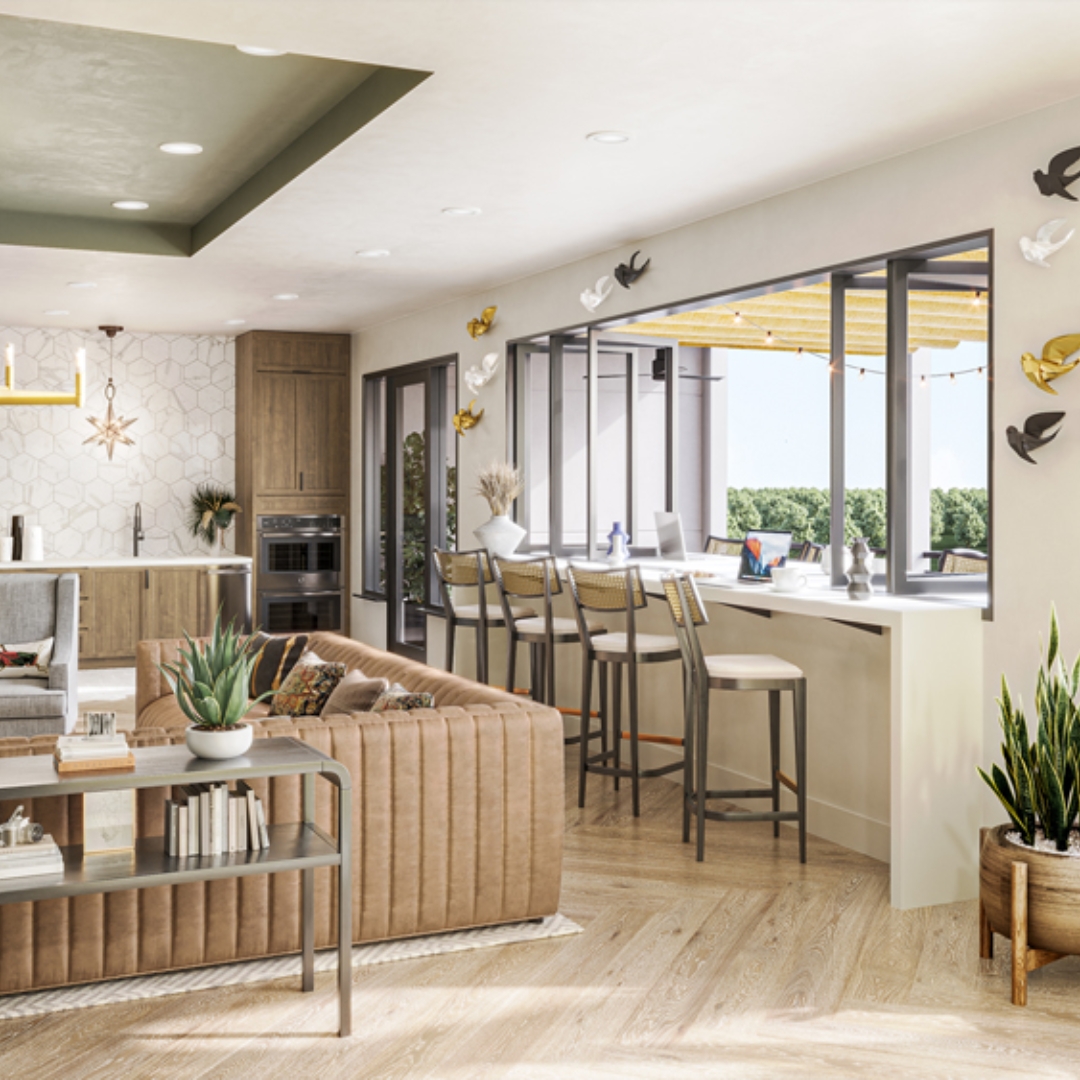
Urban projects frequently require designers to make the most of limited square footage. Efficient layouts, flexible furniture solutions, and multifunctional spaces have become increasingly important. Mixed-use developments continue to gain traction as well, blending residential, retail, office, and entertainment spaces within a single environment. Sustainability also remains a major focus, with developers incorporating energy-efficient systems and environmentally conscious building materials.
“The most successful urban communities create value beyond the apartment itself,” explains Taylor Farrell, senior interior designer at SouthPark Interiors. “Residents are looking for thoughtfully designed spaces that support work, wellness, and social connection within a compact footprint.”
Suburban Development Design Priorities
Suburban developments often have more flexibility in site planning and building layouts. Townhome-style residences, garden-style communities, and low-rise buildings remain popular options. Design team are increasingly incorporating:
- Community gathering spaces
- Outdoor recreation areas
- Flexible work-from-home spaces
- Wellness-focused amenities
- Expanded green space
These features help create a neighborhood feel that resonates with long-term residents.
Amenity Trends Driving Leasing Success
Urban Communities
Urban amenity packages are often centered around convenience and social engagement, with popular features often including:
- Rooftop lounges
- Entertainment decks
- Shared workspaces
- Conference rooms
- Bike storage
- Transit-oriented services
These amenities help compensate for smaller individual units while fostering community interaction.
Suburban Communities
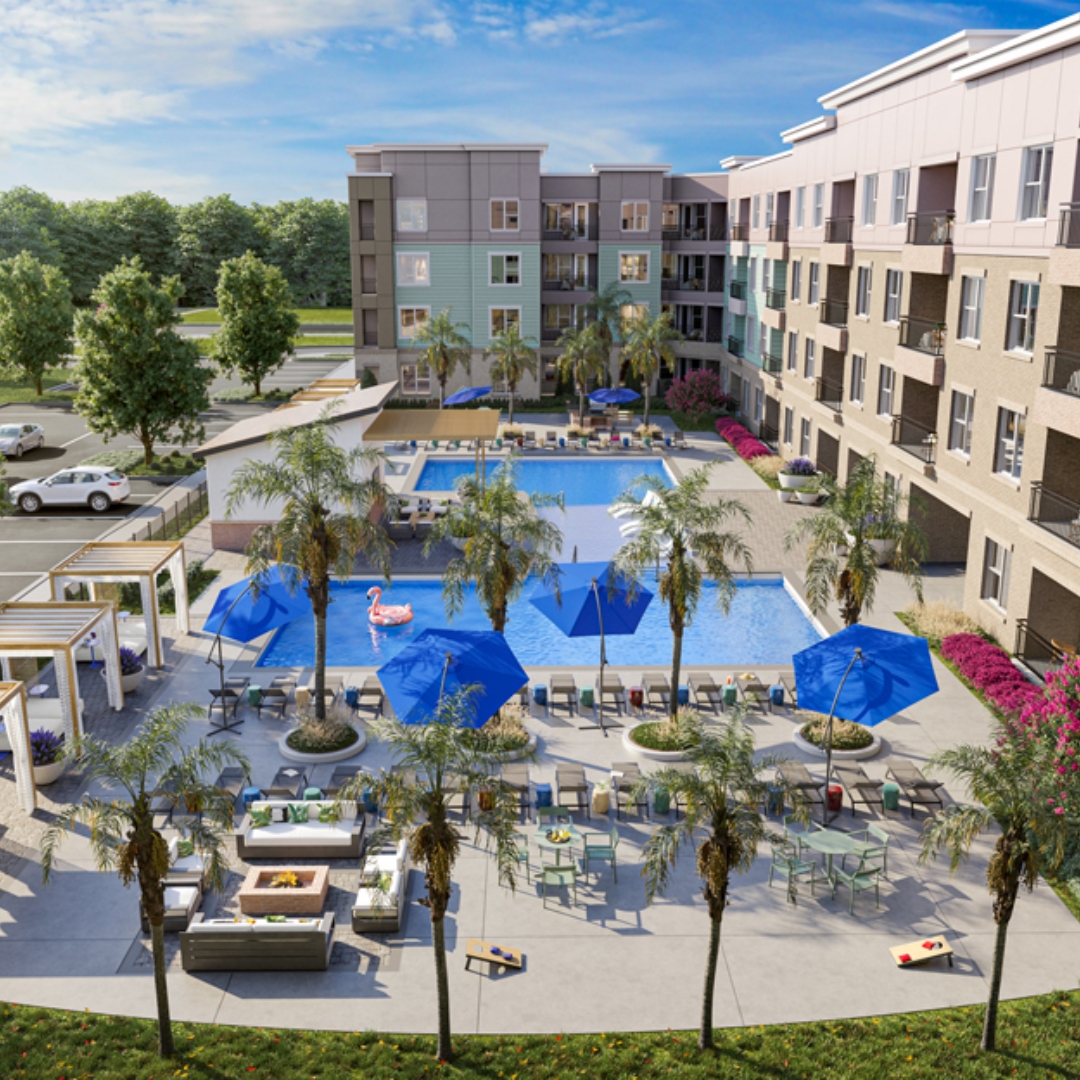
Suburban communities tend to emphasize recreation and lifestyle, offering common amenities like:
- Resort-style pools
- Clubhouses
- Dog parks
- Outdoor kitchens
- Playgrounds
- Sports courts
Many developers are also investing in expanded pet-friendly offerings as pet ownership continues to influence leasing decisions.
Investment & Development Considerations
Urban Market Opportunities
Urban developments can offer significant revenue potential due to higher density and strong demand in well-positioned locations. Many cities are also seeing increased interest in redevelopment and adaptive reuse projects that transform older buildings into modern residential communities. However, urban projects often face higher land acquisition costs, construction expenses, and regulatory challenges.
Suburban Market Opportunities
Suburban markets frequently provide larger development sites and more flexibility in project design. Growing suburban populations and ongoing housing affordability challenges continue to support rental demand. Recent market data shows renter demand remains strong nationally as many households continue to view renting as a practical alternative to homeownership.

The Role of Property Management in Both Markets
Urban Property Management Priorities
Urban property managers often focus on things like resident engagement, technology-driven communications, package management, retention initiatives, and managing higher turnover rates. Technology plays a particularly important role in streamlining operations and enhancing the resident experience.
Suburban Property Management Priorities
In suburban communities, property managers frequently emphasize long-term resident satisfaction and community building by focusing on maintaining outdoor amenities, organizing resident events, supporting family-oriented programming, and preserving shared recreational spaces. Strong community engagement can be a major differentiator in suburban markets.
What the Future Holds for Multi-Family Housing
The distinction between urban and suburban living is becoming less defined. Many suburban developments are incorporating walkable mixed-use elements, while urban communities continue to explore ways to provide greater flexibility and lifestyle-focused amenities. As renter expectations evolve, successful communities will be those that balance convenience, connectivity, comfort, and experience, regardless of location.
Success Starts with a Thoughtful Design Strategy
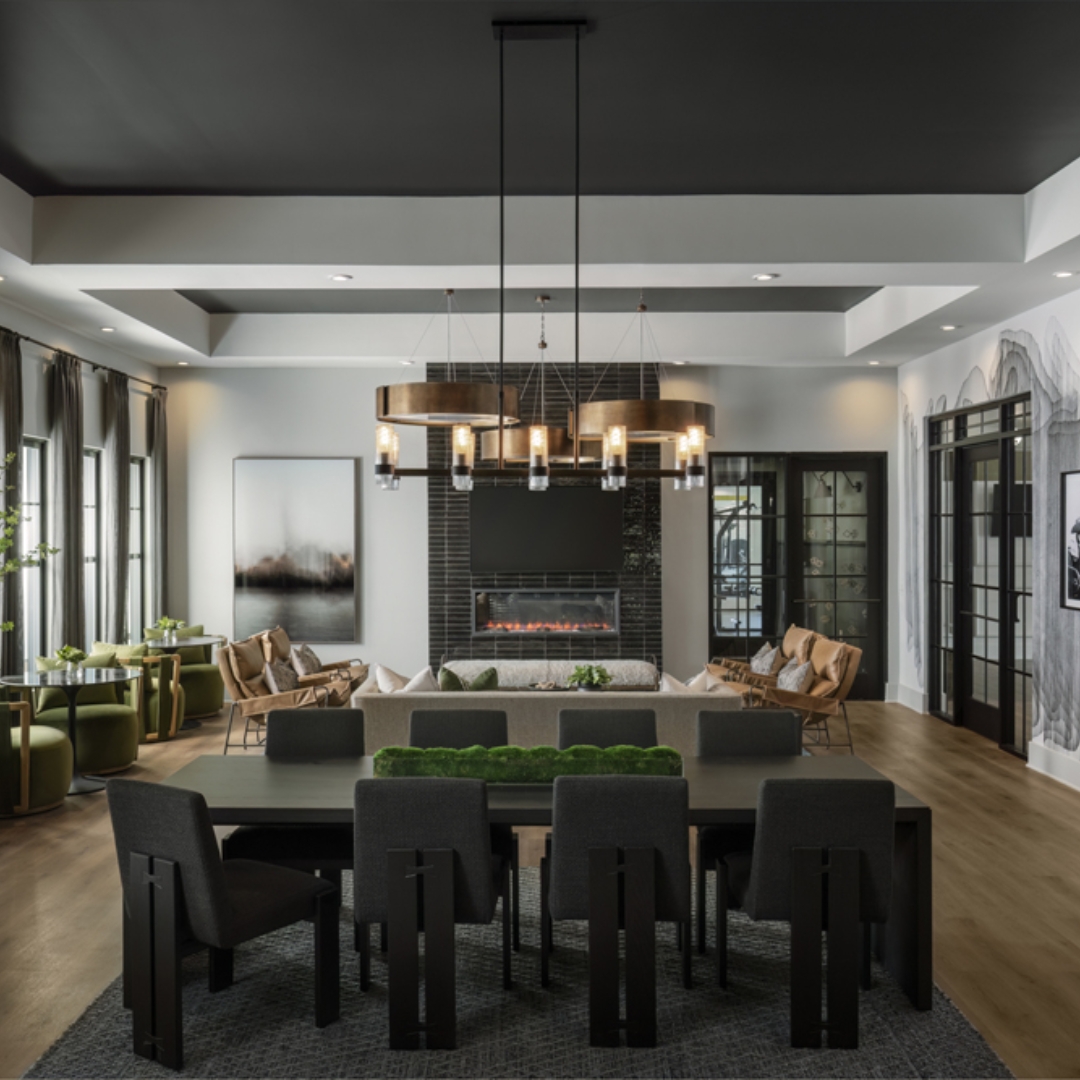
Urban and suburban multi-family communities each offer unique advantages and challenges. While demand drivers and resident preferences may differ, the most successful developments share a common trait: They align design, amenities, and operations with the needs of their target residents.
By understanding how location influences renter behavior and market demand, developers can create communities that remain competitive today while positioning themselves for long-term success in an evolving multi-family landscape.